
Autistic Anxiety: Techniques for Helping Late-Diagnosed Autistic Adults Cope with Stressful Situations

“Empowering late-diagnosed autistic adults to conquer anxiety and thrive.” Autistic anxiety is a common experience for many late-diagnosed autistic adults. Coping with stressful situations can be challenging, but there are techniques that can help alleviate anxiety and improve overall well-being. In this article, we will explore some of these techniques and how they can be applied in daily life. Mindfulness Techniques for Autistic Anxiety in Late-Diagnosed Adults As an autistic adult, I know firsthand how overwhelming and stressful certain situations can be. Whether it’s a crowded room, a loud noise, or a change in routine, these triggers can cause intense anxiety and make it difficult to function. But over the years, I’ve learned some mindfulness techniques that have helped me cope with my autistic anxiety and navigate these situations with more ease. Deep Breathing One of the most effective techniques I’ve found is deep breathing. When I feel myself getting anxious, I take a few deep breaths and focus on the sensation of the air moving in and out of my body. This helps me slow down my racing thoughts and calm my nervous system. I also find it helpful to count my breaths, which gives me something to focus on and helps me stay present in the moment. Visualization Another technique that has been helpful for me is visualization. When I’m feeling anxious, I close my eyes and imagine myself in a peaceful, calming environment. This could be a beach, a forest, or any other place that makes me feel relaxed and at ease. I focus on the sights, sounds, and sensations of this environment, and allow myself to fully immerse in the experience. This helps me shift my focus away from my anxiety and into a more positive, calming state of mind. Mindfulness Mindfulness meditation is another technique that has been shown to be effective for reducing anxiety in autistic adults. This involves sitting quietly and focusing on your breath, while allowing your thoughts and emotions to come and go without judgment. This can be challenging at first, especially if you’re not used to sitting still and quieting your mind. But with practice, it can become a powerful tool for managing anxiety and improving overall well-being. Other Techniques for Autistic Anxiety In addition to these mindfulness techniques, there are also some practical strategies that can help autistic adults cope with anxiety in everyday life. One of these is creating a routine and sticking to it as much as possible. This can help reduce uncertainty and provide a sense of structure and predictability, which can be comforting for autistic individuals who thrive on routine. Another strategy is to avoid or minimize triggers as much as possible. This might mean avoiding crowded places, loud noises, or other stimuli that can cause anxiety. Of course, it’s not always possible to avoid these triggers completely, but being aware of them and taking steps to minimize their impact can be helpful. Finally, it’s important to remember that everyone’s experience with anxiety is different, and what works for one person may not work for another. It’s okay to experiment with different techniques and strategies until you find what works best for you. And if you’re struggling with anxiety, don’t hesitate to reach out for help. There are many resources available, including therapists, support groups, and online communities, that can provide guidance and support. Managing autistic anxiety can be challenging, but there are many mindfulness techniques and practical strategies that can help. By practicing deep breathing, visualization, mindfulness meditation, and other techniques, autistic adults can learn to cope with anxiety and navigate stressful situations with more ease. And by creating routines, avoiding triggers, and seeking support when needed, they can improve their overall well-being and quality of life. Cognitive Behavioral Therapy for Autistic Anxiety in Late-Diagnosed Adults It can be difficult for late-diagnosed adults with autistic anxiety to navigate social interactions, sensory overload, and unexpected changes in routine. These challenges can lead to anxiety, which can further exacerbate the difficulties of living with autism. However, there are techniques that can help autistic adults cope with anxiety and manage stressful situations. One effective approach is cognitive behavioral therapy (CBT). CBT is a type of therapy that focuses on changing negative thought patterns and behaviors. It can be particularly helpful for autistic adults with anxiety because it provides practical tools for managing stress and improving coping skills. Challenge Negative Thoughts One of the key components of CBT is identifying and challenging negative thoughts. Autistic adults with anxiety may have a tendency to catastrophize or assume the worst in situations. For example, if a social event is coming up, they may automatically assume that it will be a disaster and that they will embarrass themselves. These negative thoughts can lead to increased anxiety and avoidance of the situation. CBT teaches individuals to identify these negative thoughts and challenge them with evidence-based reasoning. For example, if an autistic adult is worried about a social event, they can ask themselves, “What evidence do I have that this event will be a disaster?” They may realize that they have attended similar events in the past and had a good time, or that they have supportive friends who will be there to help them through any difficulties. Develop Skills Another important aspect of CBT is developing coping skills. Autistic adults with anxiety may benefit from learning relaxation techniques, such as deep breathing or progressive muscle relaxation. These techniques can help reduce physical symptoms of anxiety, such as rapid heartbeat or sweating. CBT can also help individuals develop problem-solving skills. Autistic adults with anxiety may struggle with unexpected changes in routine or social situations that they are not prepared for. CBT can teach individuals how to break down a problem into smaller, manageable steps and come up with a plan for addressing it. This can help reduce anxiety and increase confidence in handling difficult situations. It is important to note that CBT is not a one-size-fits-all approach. Autistic adults with anxiety may
Overcoming Autistic Adults Employment Challenges

What are some challenges autistic adults face when seeking and maintaining employment? Autism is a neurodevelopmental disorder that affects communication, social interaction, and behavior. According to the Centers for Disease Control and Prevention (CDC), one in 54 children in the United States is diagnosed with autism spectrum disorder (ASD). While there is no cure for autism, early intervention and therapy can help individuals with ASD lead fulfilling lives. However, as autistic individuals transition into adulthood, they face unique challenges when seeking and maintaining employment. In this article, we will explore some of the challenges autistic adults face in the workplace and discuss potential solutions. Challenges in Seeking Employment Difficulty with Social Interaction One of the primary challenges autistic adults face when seeking employment is difficulty with social interaction. Autistic individuals may struggle with nonverbal communication, such as maintaining eye contact or interpreting facial expressions. They may also have difficulty with small talk or understanding social cues. These challenges can make it difficult for autistic individuals to make a good first impression during job interviews or to build relationships with coworkers. Sensory Overload Another challenge autistic adults face when seeking employment is sensory overload. Many autistic individuals are hypersensitive to sensory stimuli, such as bright lights, loud noises, or strong smells. In a busy workplace, these stimuli can be overwhelming and cause anxiety or meltdowns. Autistic individuals may also struggle with open office plans or other workplace designs that do not provide enough sensory regulation. Difficulty with Executive Functioning Executive functioning refers to a set of cognitive skills that help individuals plan, organize, and complete tasks. Many autistic individuals struggle with executive functioning, which can make it difficult to stay on task or meet deadlines. They may also have difficulty with time management or prioritizing tasks. These challenges can make it difficult for autistic individuals to succeed in fast-paced or high-pressure work environments. Challenges in Maintaining Employment Difficulty with Communication Once autistic individuals are employed, they may face challenges in maintaining their employment. One of the primary challenges is difficulty with communication. Autistic individuals may struggle with workplace communication, such as understanding instructions or communicating their needs to coworkers or supervisors. They may also have difficulty with workplace culture, such as understanding office politics or navigating social hierarchies. Difficulty with Change Another challenge autistic adults face in maintaining employment is difficulty with change. Many autistic individuals thrive on routine and predictability, and unexpected changes in the workplace can be stressful or overwhelming. They may struggle with changes in job responsibilities, changes in management, or changes in workplace policies. These challenges can make it difficult for autistic individuals to adapt to new situations or to take on new challenges. Stigma and Discrimination Finally, autistic adults may face stigma and discrimination in the workplace. Many employers may not understand autism or may have misconceptions about what autistic individuals are capable of. Autistic individuals may also face discrimination in the hiring process or in the workplace, such as being passed over for promotions or being subjected to bullying or harassment. These challenges can make it difficult for autistic individuals to feel valued and supported in the workplace. Potential Solutions for Autistic Adults Employment Challenges While the challenges facing autistic adults in the workplace are significant, there are potential solutions that can help. Here are a few examples: Accommodations One of the most effective solutions for supporting autistic individuals in the workplace is to provide accommodations. Accommodations can include things like noise-cancelling headphones, flexible work schedules, or designated quiet spaces. By providing accommodations, employers can help autistic individuals regulate their sensory input and manage their executive functioning challenges. Education and Training Another solution is to provide education and training for employers and coworkers. By educating others about autism and its challenges, employers can create a more inclusive workplace culture. Training can include things like how to communicate effectively with autistic individuals, how to recognize and respond to sensory overload, or how to provide feedback in a way that is supportive and constructive. Advocacy and Support Finally, autistic individuals can benefit from advocacy and support. This can include things like mentorship programs, support groups, or access to resources and information. By providing support, autistic individuals can feel more confident and empowered in the workplace, which can lead to greater success and job satisfaction. Autistic Adults Employment Challenges: Conclusion Autistic adults face unique challenges when seeking and maintaining employment. These challenges include difficulty with social interaction, sensory overload, executive functioning, communication, change, and stigma and discrimination. However, by providing accommodations, education and training, and advocacy and support, employers can create a more inclusive and supportive workplace culture. By doing so, they can help autistic individuals succeed and thrive in the workplace. Similar Articles
Understanding Sensory Processing Difficulties in Autism

What are some common sensory processing difficulties in autism experienced by autistic individuals? Autism Spectrum Disorder (ASD) is a neurodevelopmental disorder that affects communication, social interaction, and behavior. One of the most common symptoms of ASD is sensory processing difficulties. Sensory processing refers to the way the brain receives, interprets, and responds to sensory information from the environment. Autistic individuals may experience sensory processing difficulties in one or more of the senses, including touch, taste, smell, sight, and sound. In this article, we will explore some of the common sensory processing difficulties experienced by autistic individuals. Touch Many autistic individuals have difficulty processing touch sensations. They may be hypersensitive to touch, meaning that they are easily overwhelmed by certain textures or sensations. For example, they may find certain fabrics uncomfortable or painful to wear, or they may be averse to being touched by others. On the other hand, some autistic individuals may be hyposensitive to touch, meaning that they have a reduced sensitivity to touch sensations. They may seek out intense touch sensations, such as rubbing their hands on rough surfaces or pressing their bodies against walls. Taste and Smell Autistic individuals may also have difficulty processing taste and smell sensations. They may be hypersensitive to certain tastes or smells, which can make it difficult for them to eat a variety of foods. For example, they may be averse to strong flavors or smells, such as spicy foods or perfumes. On the other hand, some autistic individuals may be hyposensitive to taste and smell, meaning that they have a reduced sensitivity to these sensations. They may seek out intense flavors or smells, such as eating spicy foods or sniffing strong scents. Sight Autistic individuals may also have difficulty processing visual information. They may be hypersensitive to certain visual stimuli, such as bright lights or patterns, which can cause discomfort or even pain. They may also have difficulty filtering out irrelevant visual information, which can make it difficult for them to focus on important tasks. On the other hand, some autistic individuals may be hyposensitive to visual stimuli, meaning that they have a reduced sensitivity to these sensations. They may seek out intense visual stimuli, such as staring at bright lights or spinning objects. Sound Sound is one of the most common sensory processing difficulties experienced by autistic individuals. They may be hypersensitive to certain sounds, such as loud noises or high-pitched sounds, which can cause discomfort or even pain. They may also have difficulty filtering out background noise, which can make it difficult for them to focus on conversations or other tasks. On the other hand, some autistic individuals may be hyposensitive to sound, meaning that they have a reduced sensitivity to these sensations. They may seek out intense sounds, such as listening to music at high volumes or making loud noises themselves. Sensory Processing Difficulties in Autism: Conclusion Sensory processing difficulties are a common symptom of autism. Autistic individuals may experience hypersensitivity or hyposensitivity in one or more of the senses, including touch, taste, smell, sight, and sound. These difficulties can have a significant impact on their daily lives, making it difficult for them to engage in certain activities or interact with others. By understanding these difficulties, we can better support and accommodate autistic individuals in their daily lives. Similar Articles
Autism and Diet: Exploring Nutritional Needs and Managing Sensitivities

A balanced diet is essential for good health, but for individuals with autism, it can be especially important. Autism can impact an individual’s eating habits and preferences, as well as their ability to manage food sensitivities. In this article, we’ll explore the relationship between autism and diet, discussing nutritional needs and strategies for managing food sensitivities. Nutritional Needs for Autistic Individuals Autistic individuals may have unique nutritional needs due to differences in their digestive system and metabolism. Research has shown that many individuals with autism have deficiencies in essential nutrients such as Vitamin D, calcium, and omega-3 fatty acids. In addition, many individuals with autism have difficulty with gastrointestinal issues, which can affect their ability to absorb nutrients. To meet the nutritional needs of autistic individuals, it’s important to focus on a well-balanced diet that includes a variety of whole foods. Some individuals with autism may have sensory preferences that impact their food choices, such as a preference for certain textures or colors. However, it’s important to encourage a diverse range of foods to ensure adequate nutrient intake. Managing Food Sensitivities Food sensitivities and allergies can be common among individuals with autism, and can impact their overall health and well-being. Some common sensitivities include gluten, dairy, and artificial additives. It’s important to work with a healthcare provider or registered dietitian to identify and manage food sensitivities. In addition, it’s important to consider sensory preferences when managing food sensitivities. For example, if an individual with autism has a sensitivity to certain textures, it may be necessary to modify the texture of certain foods to ensure they are still getting adequate nutrition. Strategies for Creating Balanced Meals Creating balanced meals can be challenging for individuals with autism and their families. Here are some practical strategies for ensuring a well-balanced diet: Focus on whole foods Incorporate a variety of fruits, vegetables, whole grains, and lean proteins. Be creative with textures Try blending fruits and vegetables into smoothies, or using different cooking methods to change the texture of certain foods. Accommodate sensory preferences If an individual has a preference for certain colors or flavors, try incorporating those into a well-balanced meal. Plan ahead Meal planning and preparation can help ensure a variety of foods are incorporated into the diet. Autism and Diet: Nourishing the Autistic Community A well-balanced diet is important for everyone, but for individuals with autism, it can be especially crucial. By understanding nutritional needs and managing food sensitivities, autistic individuals and their families can promote good health and well-being. If you’re looking for more resources and support in managing autism and diet, be sure to check out Epic Autism. Do you have any tips for managing autism and diet? Share your strategies in the comments below and join our Epic Autism community for more resources and support. Similar Articles
Autism Legal Rights and the Legal Loom: Understanding Rights and Advocacy for Autistic Individuals
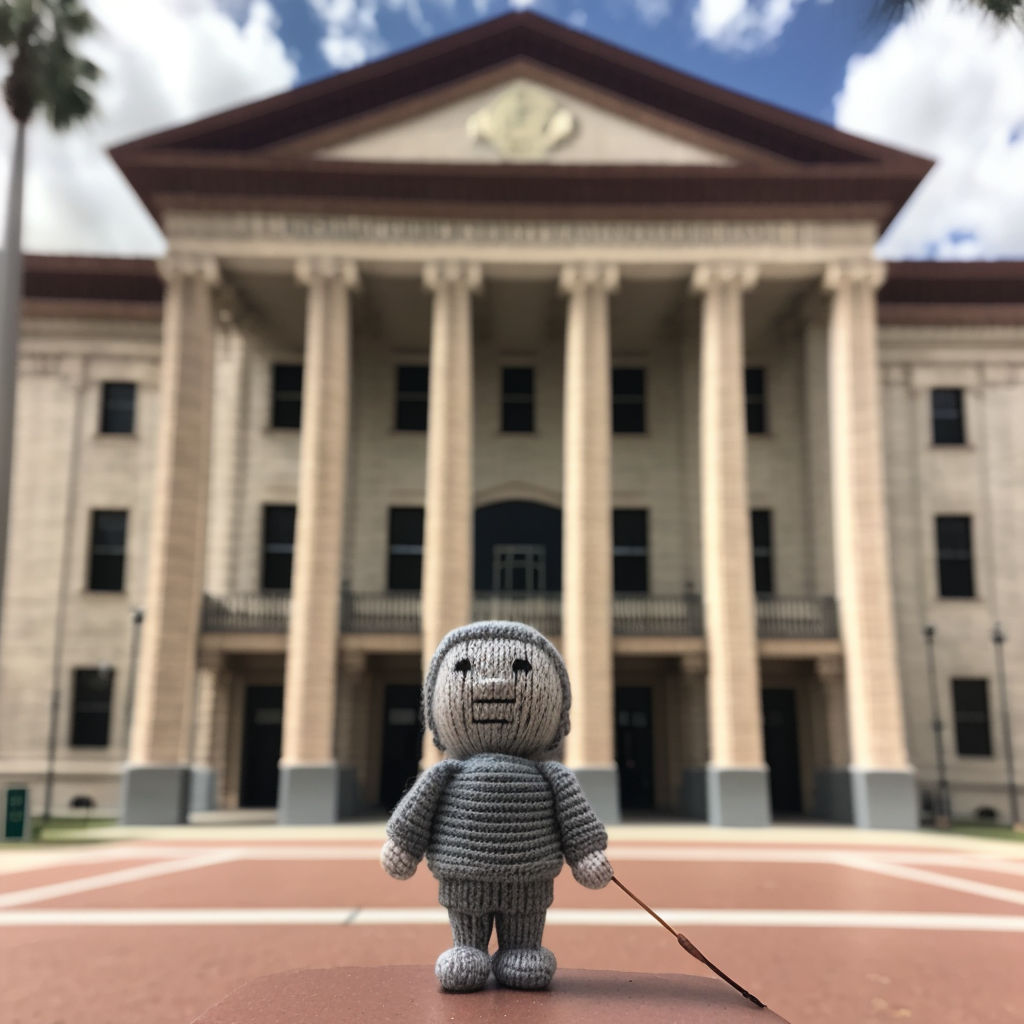
Navigating autism legal rights and protections can be a complex process. In this article, we will discuss the importance of understanding the legal rights and protections for autistic people and the role of advocacy in ensuring these rights are respected and upheld. We’ll also provide guidance on how autistic individuals and their families can effectively advocate for themselves and their loved ones. Understanding Autism Legal Rights Education Rights Autistic students have a right to a free and appropriate public education (FAPE) under the Individuals with Disabilities Education Act (IDEA). This law ensures that students with disabilities receive tailored support and accommodations to help them succeed in school. Some key aspects of IDEA include: Individualized Education Programs (IEPs): An IEP is a legally binding document that outlines a student’s unique learning needs, goals, and the support services they’ll receive. Least Restrictive Environment (LRE): Autistic students have a right to learn in the least restrictive environment possible, meaning they should be placed in general education settings with appropriate accommodations whenever possible. Parental involvement: Parents have the right to be involved in their child’s education planning and decision-making processes. Employment Rights The Americans with Disabilities Act (ADA) protects autistic individuals from discrimination in the workplace. Employers must provide reasonable accommodations to ensure that employees with disabilities can perform their job duties effectively. Some examples of workplace accommodations for autistic individuals include: Flexibility in work hours or remote work options Modifications to the physical workspace to reduce sensory overload Access to job coaching or mentorship programs Accessibility Rights The ADA also protects the rights of autistic individuals to access public spaces and services without discrimination. Public entities must ensure that their facilities, programs, and services are accessible to people with disabilities, including those on the autism spectrum. The Importance of Advocacy Understanding and advocating for one’s rights is crucial for autistic individuals and their families. Advocacy can empower people with autism to access the support and accommodations they need to succeed in various aspects of life. Furthermore, advocacy efforts can help raise awareness and promote a more inclusive society. Tips for Effective Advocacy Know Your Rights The first step in effective advocacy is understanding the legal rights and protections that apply to autistic individuals. Familiarize yourself with laws such as IDEA and ADA and research any additional state or local regulations that may be relevant. Build a Support Network Connect with other families, support groups, and advocacy organizations to share experiences and resources. This network can provide valuable advice, emotional support, and practical assistance in navigating the legal and advocacy processes. Document Everything Keep detailed records of all interactions, meetings, and correspondence related to your or your loved one’s education, employment, or accessibility needs. This documentation can be crucial in demonstrating a need for accommodations or in resolving disputes. Communicate Effectively Be clear, concise, and respectful when communicating with educators, employers, and service providers. Clearly articulate the specific needs and accommodations required and provide any supporting documentation or evidence as needed. Seek Professional Help If you encounter challenges or disputes related to autism legal rights, consider consulting with an attorney or advocate who specializes in disability law. These professionals can provide expert guidance and representation to help ensure your rights are protected. Disclaimer and the Importance of Diagnosis Please note that the information provided in this article is for general informational purposes only and should not be considered legal advice. We are not lawyers, and we encourage you to consult with a legal professional who is familiar with disability law for guidance on your specific situation. Official Medical Diagnosis vs. Self-Diagnosis The laws and protections discussed in this article primarily apply to individuals with an official medical diagnosis of autism. A formal diagnosis can be crucial in accessing the support, accommodations, and legal protections guaranteed by laws like IDEA and ADA. Without a formal diagnosis, it may be challenging to prove the existence of a disability and the need for accommodations or support. Self-diagnosis can be a valuable starting point for understanding one’s own experiences and seeking community support. However, it is important to note that self-diagnosed individuals may face difficulties accessing the full range of legal rights and protections available to those with a formal diagnosis. If you suspect that you or a loved one may be autistic but have not yet received a formal diagnosis, it’s advisable to consult with a medical professional who specializes in autism assessment and diagnosis. Obtaining an official diagnosis can help ensure that you have access to the resources, accommodations, and legal protections you may need to thrive in various aspects of life. Conclusion Understanding autism legal rights and effective advocacy is essential for autistic individuals and their families. By knowing your rights and advocating for the support and accommodations necessary for success, you can help promote a more inclusive and accepting society for all. Ready to learn more about autism? Sign up for the Epic Autism newsletter to receive the latest news, resources, and updates on this important topic.
Autism and Relationships: The Social Fabric of Navigating Connections for Autistic Individuals

Navigating the world of autism and relationships can be challenging and complex. This article aims to offer guidance for autistic individuals in various types of relationships, including dating, friendships, and family dynamics. We’ll discuss challenges that may arise and provide practical advice for overcoming them, with suggestions for communication, setting boundaries, and understanding social cues. Let’s dive in! Building Friendships: Fostering Meaningful Connections Understanding Social Cues and Nuances One of the primary challenges autistic individuals face in relationships is interpreting social cues and nuances. Here are some suggestions to help navigate these complexities: Consider alternative forms of communication, such as writing, texting, or using visual cues. Don’t be afraid to ask for clarification or feedback from trusted friends or loved ones. Keep in mind the specific context of a conversation, as well as your relationship with the person you’re interacting with, to better understand the intent behind their actions or words. The same social cue may have different meanings in different situations. Establishing Boundaries and Communicating Needs Developing healthy friendships requires setting boundaries and communicating personal needs. Autistic individuals can: Clearly express their comfort levels and preferences in social situations Be open about sensory sensitivities or communication styles Seek friendships with individuals who understand and respect their unique needs and perspectives Engaging in Shared Interests Finding common ground is an essential aspect of building friendships. Autistic individuals can: Join clubs, organizations, or online forums focused on their interests Attend social events or activities centered around their passions Share their knowledge and enthusiasm for their interests with others Navigating the Dating Scene: Finding Love and Companionship Embracing Authenticity In the dating world, it’s crucial to be true to oneself. Autistic individuals should: Be open about their autism diagnosis, if they feel comfortable doing so Share their interests, strengths, and challenges with potential partners Look for partners who appreciate their unique qualities and provide mutual support Developing Communication Skills Effective communication is vital in any romantic relationship. Autistic individuals can: Practice expressing their feelings and emotions, both verbally and non-verbally Learn to listen actively and empathetically to their partner’s needs and concerns Work on understanding and respecting their partner’s communication preferences Seeking Out Inclusive Dating Platforms Finding an inclusive and supportive dating platform can help autistic individuals connect with potential partners. Some options include: Online dating sites or apps specifically designed for autistic individuals or those with other disabilities Social groups or clubs focused on shared interests, where they can meet like-minded individuals Support groups for autistic adults, which can provide a safe space for discussing dating experiences and seeking advice Strengthening Family Dynamics: Fostering Harmony and Understanding Enhancing Communication within the Family Clear communication is vital for maintaining healthy family relationships. Autistic individuals and their family members can: Engage in open and honest conversations about their needs, preferences, and challenges Develop strategies for managing sensory sensitivities or meltdowns within the family setting Seek professional guidance, such as family therapy or counseling, to address communication barriers and strengthen bonds Encouraging Empathy and Understanding Fostering empathy and understanding within the family is crucial for building a supportive environment. Family members can: Learn more about autism and its impact on daily life Listen to and validate the autistic individual’s experiences and emotions Practice patience and flexibility in accommodating the unique needs and preferences of their autistic family member Weaving the Social Tapestry: Autism and Relationships In conclusion, navigating the world of relationships can be challenging for autistic individuals, but with the right strategies and support, meaningful connections can be fostered. By understanding social cues, setting boundaries, and embracing authenticity, autistic individuals can form lasting friendships, find love and companionship, and strengthen family dynamics. It is essential for autistic individuals and their loved ones to work together in cultivating empathy, understanding, and open communication. Are you or someone you know interested in learning more about autism and relationships? Sign up for the Epic Autism newsletter to stay connected and updated on how you can support understanding and promote the well-being of autistic individuals and their families.
Autism Inclusive Classroom: Knitting an Inclusive Environment for Students on the Spectrum

The quest for educational success for autistic students can be a challenging yet rewarding journey. With the right strategies, teachers and parents can work together to create an autism inclusive classroom that fosters academic achievement and social development. In this article, we’ll explore tips and guidance to help you knit a supportive and inclusive educational environment for students on the spectrum. Understanding Individual Learning Needs and Preferences Every student is unique, and this is especially true for autistic students. Understanding each student’s learning needs and preferences is the foundation for creating an inclusive classroom. Observe the student’s learning style, strengths, and areas of difficulty. Collaborate with special education professionals to develop an Individualized Education Program (IEP). Continuously monitor progress and adjust teaching strategies as needed. Example: A teacher noticed that Alex, an autistic student, excelled in visual learning but struggled with auditory processing. By incorporating visual aids and providing written instructions, the teacher helped Alex better understand the material and improve his academic performance. Creating a Sensory-Friendly and Inclusive Classroom A sensory-friendly environment is crucial for the success of autistic students. Consider the following tips to make your classroom more inclusive: Minimize sensory distractions, such as bright lights or loud noises. Provide a designated quiet area for students who need a break from sensory stimuli. Offer sensory tools, such as fidget toys or weighted blankets, to help students self-regulate. Example: Ms. Johnson, a second-grade teacher, implemented a “sensory corner” in her classroom with bean bags, noise-canceling headphones, and soft lighting to accommodate her autistic students’ sensory needs. Fostering Effective Communication between Home and School A strong partnership between home and school is essential for autistic students to thrive. Teachers and parents should maintain open lines of communication and collaborate on strategies to support the student’s learning. Schedule regular meetings to discuss progress, challenges, and goals. Share strategies and resources that have been successful at home and in the classroom. Keep a communication log to document important information and observations. Did you know? The Autism Society offers resources to enhance the support of autistic students in the classroom. Embracing Flexibility and Adaptability Being flexible and adaptable is key to meeting the diverse needs of autistic students. Teachers should be prepared to modify lesson plans, assessments, and classroom expectations. Implement differentiated instruction to accommodate various learning styles and abilities. Offer alternative assessment methods, such as project-based learning or oral presentations. Be open to modifying classroom routines and expectations based on individual student needs. Example: Mr. Smith, a high school science teacher, allowed his autistic student, Lily, to complete a hands-on project instead of a written test to demonstrate her understanding of the material. This accommodation played to Lily’s strengths and helped her succeed in the class. Encouraging Peer Support and Social Inclusion Fostering a sense of belonging for autistic students is essential for their social and emotional development. Encourage peer support and social inclusion in the classroom. Implement buddy systems or peer mentoring programs. Create opportunities for group work and collaborative learning. Teach neurotypical students about autism and promote empathy and understanding. Example: Mrs. Brown, a middle school teacher, started a “Lunch Bunch” program where students could eat lunch with their autistic classmates, facilitating friendships and promoting social inclusion. Autism Inclusive Classroom: Crafting Success for All Students Knitting an autism inclusive classroom requires understanding, collaboration, and persistence. By addressing individual learning needs, creating a sensory-friendly environment, and fostering strong home-school communication, teachers and parents can support the academic success and social growth of autistic students. Remember, your efforts contribute to a more inclusive and empowering educational experience for all. What strategies have you found most effective in creating an autism inclusive classroom for students on the spectrum? How do you promote collaboration and communication between parents and educators to better support autistic students? Can you share any success stories or lessons learned from your experiences in supporting autistic students in the classroom? Join the conversation in the comments below and share your insights and experiences. Together, we can continue to knit a more inclusive educational environment for all students. Don’t forget to sign up for our newsletter to receive the latest tips, resources, and success stories to inspire and guide you on your path to creating a more inclusive classroom.
Autism and Employment: Crafting Success in Work

Navigating the job market can be daunting for anyone. Mixing autism and employment makes it extra tricky, so for autistic individuals, it often presents unique challenges. Fear not! This article is here to help you every step of the way. We’ll guide you through finding the right job, acing interviews, disclosing your diagnosis, and thriving in the workplace. Let’s dive in and empower you to build a fulfilling career! Discovering Your Strengths, Skills, and Passions Finding the perfect job starts with knowing yourself. Here’s how to identify your unique abilities and interests: Reflect on your hobbies, past experiences, and natural talents. Seek feedback from friends, family, and mentors. Consider a career assessment or work with a vocational counselor specializing in autism. Example: Meet Jake! He’s a software engineer with Asperger’s who discovered his passion for coding through his love of video games. With the help of a career coach, he honed his skills and landed a job at a company that values neurodiversity. Hunting for the Right Opportunities Now that you know your strengths, it’s time to find your dream job. Keep these factors in mind: The company’s culture and values The level of structure and routine in the work environment Accommodations and support for autistic employees Example: Sarah, an autistic graphic designer, wanted a remote job with flexible hours to manage her sensory sensitivities. She found a position with a design agency that puts employee well-being and inclusivity first. Acing the Interview Interviews can be nerve-wracking, but with a little preparation, you’ll shine: Practice common interview questions and rehearse your responses. Request accommodations, like a written interview or extra time to process questions. Prepare examples that showcase your skills and experiences related to the job. Did you know? The National Autistic Society offers resources to help autistic individuals prepare for interviews and boost their confidence. To Disclose or Not to Disclose Deciding whether to disclose your autism diagnosis is a personal choice. Here are some things to consider: Weigh the potential benefits and drawbacks. If you decide to disclose, choose the right timing and context. Be ready to educate your employer on autism and request accommodations if needed. Example: Maria, an autistic accountant, disclosed her diagnosis after receiving a job offer. She worked with her employer to create a sensory-friendly workspace and found support from her colleagues. Overcoming Workplace Challenges Challenges might pop up, but you’ve got this! Use these strategies to overcome obstacles: Communicate your needs and preferences to your employer. Develop coping strategies for sensory sensitivities or social interactions. Seek support from colleagues, mentors, or support groups. Example: David, an autistic sales representative, used noise-canceling headphones to manage sensory overload and practiced relaxation techniques to cope with stress. Autism and Employment: In Conclusion Autism and employment might seem like a challenging combination, but with determination, self-awareness, and the right strategies, you can craft a successful career path. Your unique perspective and strengths make you a valuable asset to any workplace. Are you ready to take the next step in your employment? Sign up for our newsletter and receive the latest tips, resources, and success stories to inspire and guide you on your autism journey!
Autistic Sensory Overload: Unraveling Tips and Techniques for Individuals and Their Families

Sensory overload is a common experience for individuals on the autism spectrum. It occurs when the brain struggles to process and filter sensory input, leading to feelings of overwhelm and discomfort. Sensory challenges vary greatly among autistic individuals, making it crucial to understand each person’s unique needs. This article provides practical tips and techniques for managing autistic sensory overload and creating sensory-friendly environments for individuals and their families. Identifying Sensory Challenges Each autistic individual has a unique set of sensory sensitivities. Some common challenges include: Auditory Sensitivity to loud or sudden noises, or difficulty processing multiple sounds simultaneously. This can make it difficult for autistic individuals to concentrate or communicate effectively in noisy environments. They may become overwhelmed, anxious, or experience pain due to intense or competing sounds. Visual Overwhelm from bright lights, fast-moving images, or certain colors and patterns. Autistic individuals may find it challenging to focus in environments with excessive visual stimuli, such as busy public spaces, flashing lights, or complex patterns. This can lead to feelings of discomfort, disorientation, or even physical pain. Tactile Discomfort with certain textures, temperatures, or levels of pressure. Some autistic individuals may be hypersensitive to touch, experiencing pain or distress from sensations that others may find pleasant or neutral. This can impact their ability to wear certain clothing materials, engage in physical activities, or tolerate everyday tactile experiences. Olfactory Overwhelm from strong or distinct smells. Autistic individuals with heightened olfactory sensitivity may find certain odors overpowering or even nauseating. This can make it difficult to participate in activities that involve strong scents, such as cooking, cleaning, or visiting crowded public spaces. Vestibular Difficulties with balance and spatial orientation. Autistic individuals who struggle with vestibular processing may have trouble maintaining their equilibrium, coordinating their movements, or perceiving their position in relation to their surroundings. This can impact their ability to engage in activities that require physical coordination or spatial awareness. Proprioceptive Difficulty processing body position and movement. Some autistic individuals may struggle to accurately perceive the position and movements of their own body, leading to challenges with fine and gross motor skills, posture, or body awareness. This can affect their ability to engage in daily activities, sports, or physical play. Understanding the specific sensory challenges faced by an autistic individual is the first step toward the effective management of sensory overload. By recognizing these unique sensitivities, caregivers, educators, and autistic individuals themselves can develop strategies and accommodations to minimize discomfort and promote successful participation in various aspects of life. Strategies for Managing Autistic Sensory Overload Here are some practical techniques to help individuals and their families cope with sensory challenges: Create an autistic sensory overload toolkit Include items like noise-canceling headphones, sunglasses, fidget tools, and weighted blankets to provide comfort during sensory overload. Customize the toolkit based on the individual’s specific sensory needs and preferences. This can help them feel more in control and prepared when facing sensory challenges in various settings. Use visual schedules Visual aids can help reduce anxiety and provide structure for autistic individuals. By creating a clear, visual representation of daily routines and tasks, individuals can better anticipate what comes next and feel a greater sense of control over their environment. This can also help them better manage their energy levels and sensory needs throughout the day. Incorporate breaks Schedule regular breaks for sensory rest and self-regulation. These breaks can provide opportunities for autistic individuals to decompress and regain a sense of balance, especially during busy or overwhelming days. Encourage the use of calming strategies during breaks, such as listening to soothing music, engaging in deep-pressure activities, or spending time in a quiet, low-stimulation space. Advocate for accommodations Request accommodations in school or work settings, such as preferential seating, extra time, or modified assignments. This can help autistic individuals better manage their sensory needs, minimize stress, and foster greater success in academic or professional environments. Ensure that teachers, supervisors, and peers are aware of the individual’s unique sensory challenges and the importance of these accommodations. Practice mindfulness and deep breathing These techniques can help reduce anxiety and sensory overwhelm. Encouraging autistic individuals to engage in mindfulness practices, such as meditation or focused breathing exercises, can help them develop greater self-awareness and coping skills for managing sensory overload. Integrating these practices into daily routines can provide ongoing support and promote overall well-being. Creating Sensory-Friendly Environments To create a comfortable and supportive environment for autistic individuals, consider the following tips: Home Reduce clutter, use calming colors, and provide designated sensory spaces for relaxation and self-regulation. Choose soft, comfortable furnishings and pay attention to lighting, opting for adjustable and non-flickering light sources. By creating a sensory-friendly home environment, autistic individuals can feel more at ease and better equipped to manage sensory challenges. School Collaborate with educators to develop an individualized education plan (IEP) that includes sensory accommodations and supports. Ensure that teachers and staff are aware of the student’s specific sensory needs and preferences, and work together to create a supportive learning environment. This may include creating designated sensory breaks, providing access to sensory tools or resources, and modifying classroom arrangements to minimize sensory triggers. Public Places Plan outings during quieter times and research sensory-friendly events and venues. Many museums, movie theaters, and other public spaces now offer sensory-friendly hours or events designed specifically for individuals with sensory sensitivities. By planning ahead and seeking out accommodating environments, autistic individuals and their families can enjoy outings with reduced anxiety and sensory overload. Social Gatherings Communicate the autistic individual’s sensory needs to friends and family members, and encourage them to create a more inclusive atmosphere. This can include reducing background noise, providing clear communication about plans and expectations, and ensuring there is a quiet space available for the individual to retreat to if needed. Travel Plan and prepare for travel by anticipating potential sensory challenges and creating a plan to address them. This may involve packing a sensory toolkit, researching accommodations ahead of time, and considering alternative modes of transportation that may be