
Autism and Communication: Tips for Friends and Family to Foster Effective Interaction

Autism Spectrum Disorder (ASD) is a neurodevelopmental condition that affects communication and social interaction. Individuals with autism have unique communication styles and needs, which can include both verbal and non-verbal cues. Understanding these unique styles and needs is key to fostering effective interaction and building stronger, more understanding relationships. This article delves into the world of autism and communication, providing practical tips for friends and family to improve communication with their autistic loved ones. How Does Autism Affect Communication? Autism affects communication in various ways. Some individuals may have difficulty with verbal communication, including challenges with language development and the use of speech. Others may struggle with non-verbal communication, such as body language and eye contact. It’s important to note that every individual with autism is unique, and so are their communication abilities and styles. For instance, some autistic individuals might use language in unusual ways, such as using made-up words or repeating the same word over and over. This is a common characteristic known as echolalia. Others might have difficulty interpreting body language or non-verbal cues, which are crucial components of effective communication. How Does a Person with Autism Communicate? Communication in autism can be divided into two different domains: receptive communication and expressive communication. Receptive communication refers to how an individual understands and interprets language and non-verbal cues from others. Expressive communication, on the other hand, refers to how an individual uses language and non-verbal cues to express thoughts, feelings, and ideas. Non-verbal communication is common in individuals with ASD. This can include gestures, pictures or drawings, emotive sounds, and physically directing someone’s hand to an object they want. Some individuals might also use objects or pictures to communicate their needs or wants. Can Autistic People Communicate Well? Yes, autistic people can communicate effectively, although their communication styles might differ from what is typically expected. With the right support and understanding, autistic individuals can learn to express themselves in ways that work best for them. It’s important to remember that communication is not just about speech. Non-verbal cues, such as facial expressions, gestures, and body language, play a crucial role in communication. Autistic individuals might rely more heavily on these non-verbal forms of communication. Autism Communication Tips Here are some practical tips for friends and family to improve communication with their autistic loved ones: Patience is key: Autistic individuals might take longer to respond to verbal communication. Give them the time they need to process information and formulate a response. Use clear and concise language: Keep sentences short and straightforward. Avoid using idioms or slang that might be confusing. Respect their communication style: If they prefer to communicate non-verbally, respect that. Use pictures, drawings, or other visual aids to facilitate communication. Teach and use alternative communication methods: This can include sign language, picture exchange communication systems (PECS), or speech-generating devices. Encourage expression of interests: Autistic individuals often have specific interests they are passionate about. Encourage them to share these interests as a way of fostering communication. Provide a safe and supportive environment: Make sure they feel safe and supported in expressing themselves. This can help reduce anxiety and promote more effective communication. By understanding and accommodating the unique communication styles and needs of autistic individuals, we can foster more effective interaction and build stronger, more understanding relationships. Conclusion Understanding autism and communication is a journey of learning and empathy. By embracing the unique communication styles of autistic individuals and adapting our own communication strategies, we can foster more effective interaction and build stronger, more understanding relationships. It’s a journey that requires patience, empathy, and a willingness to learn. But the rewards — deeper connections, improved understanding, and stronger bonds — are well worth the effort. Remember, every autistic individual is unique. Their communication styles and needs may vary greatly. What works for one person might not work for another. The key is to keep an open mind, be patient, and always strive to understand and respect their unique ways of communicating. In the end, communication is about connection. And with understanding and support, we can help our autistic loved ones connect with the world in their own unique and beautiful ways. Join the Conversation We hope this article has provided valuable insights into autism and communication. But the journey doesn’t stop here. We invite you to join our community at Epic Autism. Share your experiences, ask questions, and learn from others who are walking the same path. What strategies have you found effective in communicating with your autistic loved ones? Do you have any experiences or tips you’d like to share? Are there any challenges you’re currently facing in this area? Please share your thoughts, experiences, and questions in the comments section below. Your insights could be the help that someone else needs. Let’s continue the conversation and learn from each other. Remember, you’re not alone on this journey. We’re all in this together. Let’s support each other and make a difference in the lives of our loved ones with autism. Join us in our mission to foster understanding, empathy, and effective communication. Together, we can make a difference. Similar Articles
Communicating with Autistic Adults: Strategies for Building Positive Relationships with Late-Diagnosed Autistic Adults
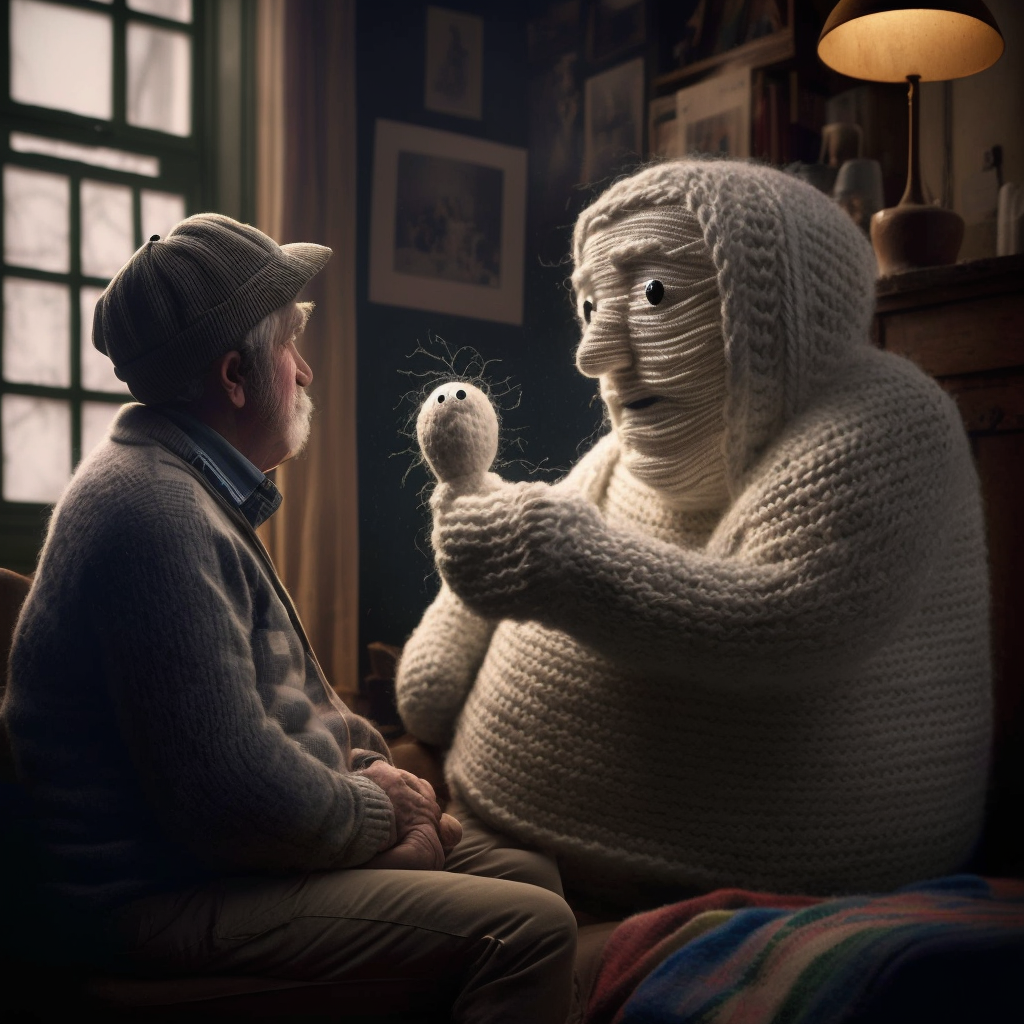
Communicating with Autistic Adults: Strategies for Building Positive Relationships with Late-Diagnosed Autistic Adults is a resource that provides practical tips and strategies for individuals who want to establish positive relationships with autistic adults. The article is particularly useful for those who have recently been diagnosed with autism or those who have a loved one with autism, and it covers a range of topics, including communication strategies, sensory issues, and social skills, and provides readers with the tools they need to build strong, positive relationships with autistic adults. Understanding the Unique Communication Needs of Autistic Adults Autism is a neurodevelopmental disorder that affects communication, social interaction, and behavior. It is a spectrum disorder, which means that it affects individuals differently. Some people with autism may have difficulty with verbal communication, while others may have difficulty with nonverbal communication. As a result, communicating with autistic adults can be challenging, especially if they were diagnosed later in life. In this article, we will discuss strategies for building positive relationships with late-diagnosed autistic adults. Autistic adults have unique communication needs that differ from those of neurotypical adults. They may have difficulty with social cues, such as body language and facial expressions. They may also have difficulty with verbal communication, such as understanding sarcasm and figurative language. As a result, it is important to communicate with autistic adults in a clear and direct manner. One strategy for communicating with autistic adults is to use visual aids. Visual aids can help to clarify information and reduce confusion. For example, if you are discussing a complex topic, you may want to use a diagram or a flowchart to help the autistic adult understand the information. Another strategy is to use plain language. Autistic adults may have difficulty with abstract concepts and complex vocabulary. Using plain language can help to ensure that the autistic adult understands the information being communicated. Building Positive Relationships with Late-Diagnosed Autistic Adults Building positive relationships with late-diagnosed autistic adults can be challenging, but it is possible. Be patient and understanding Autistic adults may have difficulty with social interaction, and it may take time for them to feel comfortable around new people. It is important to be patient and allow the autistic adult to set the pace of the relationship. Focus on shared interests Autistic adults may have intense interests in specific topics, such as science or music. By focusing on shared interests, you can build a connection with the autistic adult and create a positive relationship. Respect the boundaries of the autistic adult Autistic adults may have sensory sensitivities, such as sensitivity to loud noises or bright lights. It is important to respect these sensitivities and avoid activities that may be overwhelming for the autistic adult. Communicating with autistic adults can be challenging, especially if they were diagnosed later in life. However, by understanding the unique communication needs of autistic adults and using strategies such as visual aids and plain language, it is possible to build positive relationships with late-diagnosed autistic adults. By being patient, focusing on shared interests, and respecting boundaries, you can create a positive and meaningful relationship with an autistic adult. Tips for Communicating with Autistic Adults: Building Trust and Respect Autistic adults who were diagnosed later in life may have had a difficult time growing up. They may have struggled with social interaction, communication, and behavior. They may have been misunderstood, misdiagnosed, or not diagnosed at all. As a result, they may have developed coping mechanisms that helped them navigate the world, but may not be helpful in building positive relationships with others. If you are looking to build a positive relationship with an autistic adult, it is important to understand their perspective. Autistic adults may have a different way of thinking, processing information, and communicating. They may have difficulty with social cues, sarcasm, and metaphors. They may also have difficulty with sensory processing, which means that they may be sensitive to certain sounds, textures, or smells. To build trust and respect in relationships with autistic adults, it is important to be patient, understanding, and respectful. Here are some strategies that can help: 1. Listen actively Active listening means paying attention to what the other person is saying, without interrupting or judging. It means asking questions to clarify what they mean, and summarizing what they said to show that you understand. Active listening can help build trust and respect, and can also help you understand the other person’s perspective. 2. Use clear and concise language Autistic adults may have difficulty with abstract language, sarcasm, or metaphors. Using clear and concise language can help them understand what you are saying. It can also help avoid misunderstandings or confusion. 3. Use Visual Aids Another strategy for communicating with autistic adults is to use visual aids. Many autistic adults are visual learners and may have difficulty with verbal communication. Therefore, using visual aids such as pictures, diagrams, or videos can help them understand information better. Visual aids can also help them remember information more easily. 4. Be patient One of the most important strategies for communicating with autistic adults is to be patient. Autistic adults may take longer to process information and respond to questions. They may also have difficulty with social cues and may not understand sarcasm or humor. Therefore, it is important to give them time to process information and respond in their own way. It is also important to be clear and concise when communicating with autistic adults. Use simple language and avoid using idioms or metaphors that may be confusing. 5. Be Aware of Sensory Issues It is also important to be aware of sensory issues when communicating with autistic adults. Many autistic adults have sensory processing issues and may be sensitive to certain sounds, smells, or textures. Therefore, it is important to be mindful of their sensory needs when communicating with them. For example, if an autistic adult is sensitive to loud noises, it may be helpful to communicate in a quiet environment. 6. Respect their