
Understanding Autism: Crucial Information for Friends and Family

Autism, or Autism Spectrum Disorder (ASD), is a complex, multifaceted condition that affects individuals in a variety of ways. For friends and family members of late-diagnosed autistic adults, understanding this condition can be a journey filled with learning, empathy, and growth. This article aims to provide a foundational understanding of autism, dispel common myths, and emphasize the importance of empathy and understanding in supporting autistic loved ones. What is Autism? Autism Spectrum Disorder (ASD) is a complex and lifelong condition that affects individuals in different ways. The symptoms of ASD can range from mild to severe and may include challenges with communication, social interaction, and behavior. People with ASD may struggle to understand social cues, have difficulty making eye contact, and may avoid social situations altogether. They may also engage in repetitive behaviors such as hand-flapping or rocking back and forth. One of the defining features of ASD is the wide variation in symptoms and severity. Some individuals may have mild symptoms and be able to live relatively independent lives, while others may require significant support and assistance throughout their lives. This variability has led to the term “spectrum” disorder, reflecting the fact that each person with ASD is unique and may experience the condition differently. Autism is not a disease that can be cured. It is simply a different way of experiencing the world. Many people with ASD have strengths and abilities that are different from neurotypical individuals. For example, some people with ASD may have a remarkable ability to remember details or excel in areas such as math or music. With the right support, people with ASD can lead fulfilling and meaningful lives and make valuable contributions to society. The Impact of Autism on Family and Friends Autism is a complex neurological disorder that affects social interaction, communication, and behavior. While it may be challenging for the individual who is diagnosed with autism, it can also be a challenging experience for their loved ones. Family members and friends may struggle to understand the changes and behaviors of their loved one, which can lead to frustration, confusion, and even guilt. The diagnosis of autism can be a significant turning point for families. It can be an overwhelming experience, but it is essential to remember that it is not the end of the world. It is a starting point in the journey towards understanding, acceptance, and support. It’s a time to learn more about autism and discover ways to help the individual live a fulfilling life. The journey towards understanding and adjusting to a loved one’s diagnosis of autism can be a long process. It takes patience, empathy, and a willingness to learn. Family members and friends must take the time to educate themselves about autism and its impact on the individual. They need to understand the individual’s needs, strengths, and challenges to provide the necessary support. It’s not unusual for loved ones to experience a range of emotions when their loved one is diagnosed with autism. The initial reaction may be shock, confusion, and even denial. However, as they learn more about autism, they may feel relief and gratitude for finally having an explanation for their loved one’s behavior. They may also feel guilty for not recognizing the signs earlier, which is a common feeling, but it’s essential to know that it’s not their fault. How to Behave with an Autistic Friend When interacting with an autistic friend, it’s essential to be patient, understanding, and respectful. Here are some tips: Respect their sensory needs: Autistic people may be hypersensitive or hyposensitive to sensory input. Respect their needs and comfort levels regarding noise, touch, and other stimuli. Communicate clearly: Be clear and direct in your communication. Avoid using idioms or sarcasm, which can be confusing. Respect their space: Autistic people may need more personal space than others. Always ask before initiating physical contact. Is it Hard for Autistic People to Have Friends? Autistic people can and do form meaningful relationships. However, they may face challenges in social situations due to differences in communication and social interaction. Misunderstandings can occur, but with patience, understanding, and clear communication, these can be overcome. How Can We Help Friends and Family with Autism? Supporting a loved one with autism involves understanding, acceptance, and advocacy. Here are some ways to help: Educate Yourself: Learn about autism and how it affects your loved one. Understanding their experiences can help you provide better support. Be Patient: Adjusting to a new diagnosis can take time. Be patient with your loved one and yourself as you navigate this new terrain. Advocate: Stand up for your loved one’s rights and inclusion in all areas of life. Dispelling Common Myths About Autism There are many misconceptions about autism. Here are a few common myths and the truths behind them: Myth: Autistic people don’t want to make friends. Truth: Autistic people can and do form meaningful relationships. They might interact differently, but that doesn’t mean they don’t value friendship. Myth: Autism is caused by bad parenting. Truth: Autism is a neurodevelopmental condition. It’s not caused by parenting styles or practices. Myth: Autistic people are all alike. Truth: Autism is a spectrum disorder, meaning it affects individuals differently. Each autistic person is unique. The Importance of Empathy and Understanding Autism Empathy and understanding are crucial when supporting an autistic loved one. By seeking to understand their experiences and showing empathy, you can help create an environment where they feel seen, accepted, and loved. At Epic Autism, we believe in the power of understanding and empathy. We strive to provide comprehensive, accessible information and practical strategies for individuals onthe autism spectrum, their families, and professionals. Our content is created by individuals on the spectrum, ensuring authentic, firsthand insights. Understanding Autism: Conclusion Understanding autism is a journey, but it’s a journey worth taking. Autism is a complex and multifaceted condition that affects individuals in different ways. For friends and family members of late-diagnosed autistic adults, understanding and acceptance can be a journey filled with
Autism Social Event Support: How Friends and Family Can Help Late-Diagnosed Autistic Adults Navigate Social Situations

Table of Contents Introduction Understanding Autism: Tips for Autism Social Event Support Navigating Social Situations: A Guide for Late-Diagnosed Autistic Adults Building a Support System: How Friends and Family Can Help Autistic Adults Thrive in Social Settings Conclusion Autism Social Event Support: Introduction Autism Social Event Support is a crucial aspect of helping late-diagnosed autistic adults navigate social situations. Friends and family can play a significant role in providing support and understanding to individuals with autism, especially in social events. With the right autism social event support, autistic individuals can feel more comfortable and confident in social situations, leading to improved social skills and overall well-being. In this article, we will discuss how friends and family can help late-diagnosed autistic adults navigate social situations. Understanding Autism: Tips for Autism Social Event Support Autism is a neurodevelopmental disorder that affects communication, social interaction, and behavior. It is a spectrum disorder, which means that it affects individuals differently. Some people with autism may have difficulty with social situations, while others may have difficulty with communication or repetitive behaviors. Late-diagnosed autistic adults may have a harder time navigating social situations, but with the support of friends and family, they can learn to manage and enjoy social events. One of the most important things that friends and family can do to support late-diagnosed autistic adults is to understand their needs. Autistic individuals may have difficulty with sensory processing, which means that they may be sensitive to certain sounds, lights, or textures. They may also have difficulty with social cues, such as body language or tone of voice. By understanding these needs, friends and family can help create a comfortable and supportive environment for the autistic individual. Another way that friends and family can support late-diagnosed autistic adults is by helping them prepare for social events. This may include discussing the event beforehand, providing information about the venue or the people who will be attending, and helping the individual plan their outfit or transportation. By providing this support, friends and family can help reduce anxiety and increase confidence. During social events, friends and family can continue to provide support by being aware of the individual’s needs. This may include helping them navigate social interactions, such as introducing them to new people or helping them join a conversation. It may also include providing a quiet space for the individual to take a break if they become overwhelmed. By being attentive and supportive, friends and family can help the individual feel more comfortable and included in social situations. It is also important for friends and family to be patient and understanding. Autistic individuals may have difficulty with social situations, and it may take time for them to feel comfortable and confident. By being patient and understanding, friends and family can help the individual build their social skills and feel more confident in social situations. Finally, friends and family can support late-diagnosed autistic adults by encouraging them to participate in social events. While it may be tempting to avoid social situations that may be challenging, it is important for autistic individuals to have opportunities to practice their social skills and build relationships. By encouraging and supporting their participation in social events, friends and family can help the individual develop their social skills and feel more connected to their community. In conclusion, late-diagnosed autistic adults may have difficulty navigating social situations, but with the right autism social event support from friends and family, they can learn to manage and enjoy social events. By understanding their needs, helping them prepare, providing support during events, being patient and understanding, and encouraging their participation, friends and family can help autistic individuals build their social skills and feel more confident and connected in social situations. Navigating Social Situations: A Guide for Late-Diagnosed Autistic Adults Navigating social situations can be a challenge for anyone, but for late-diagnosed autistic adults, it can be particularly daunting. Autism is a neurodevelopmental disorder that affects communication, social interaction, and behavior. Many autistic adults are diagnosed later in life, which means they may have spent years struggling to understand why they feel different from others. One of the biggest challenges for late-diagnosed autistic adults is navigating social events. Parties, gatherings, and other social situations can be overwhelming and anxiety-inducing. However, with the right autism social event support from friends and family, autistic adults can learn to navigate these situations with greater ease. The first step in providing support is to understand the challenges that autistic adults face in social situations. Autistic adults may struggle with nonverbal communication, such as interpreting facial expressions and body language. They may also have difficulty with small talk and understanding social cues. Loud noises, bright lights, and crowded spaces can be overwhelming and cause sensory overload. To help autistic adults navigate social situations, it’s important to provide clear and direct communication. Avoid using sarcasm or indirect language, as this can be confusing. Instead, be straightforward and clear in your communication. If you’re planning a social event, provide as much information as possible in advance, such as the location, time, and expected dress code. It’s also important to be patient and understanding. Autistic adults may need more time to process information and may struggle with sudden changes in plans. If plans change, be sure to communicate this clearly and give the person time to adjust. Another way to support autistic adults in social situations is to provide a quiet space where they can take a break if needed. This could be a separate room or a quiet corner where they can go to recharge and decompress. If the event is particularly overwhelming, it may be helpful to have a designated “buddy” who can provide support and help the person navigate the event. Finally, it’s important to be inclusive and accepting of autistic adults. Avoid making assumptions or judgments based on their behavior or communication style. Instead, take the time to get to know them and understand their unique perspective. Celebrate their strengths and interests,
Communicating with Autistic Adults: Strategies for Building Positive Relationships with Late-Diagnosed Autistic Adults

Communicating with Autistic Adults: Strategies for Building Positive Relationships with Late-Diagnosed Autistic Adults is a resource that provides practical tips and strategies for individuals who want to establish positive relationships with autistic adults. The article is particularly useful for those who have recently been diagnosed with autism or those who have a loved one with autism, and it covers a range of topics, including communication strategies, sensory issues, and social skills, and provides readers with the tools they need to build strong, positive relationships with autistic adults. Understanding the Unique Communication Needs of Autistic Adults Autism is a neurodevelopmental disorder that affects communication, social interaction, and behavior. It is a spectrum disorder, which means that it affects individuals differently. Some people with autism may have difficulty with verbal communication, while others may have difficulty with nonverbal communication. As a result, communicating with autistic adults can be challenging, especially if they were diagnosed later in life. In this article, we will discuss strategies for building positive relationships with late-diagnosed autistic adults. Autistic adults have unique communication needs that differ from those of neurotypical adults. They may have difficulty with social cues, such as body language and facial expressions. They may also have difficulty with verbal communication, such as understanding sarcasm and figurative language. As a result, it is important to communicate with autistic adults in a clear and direct manner. One strategy for communicating with autistic adults is to use visual aids. Visual aids can help to clarify information and reduce confusion. For example, if you are discussing a complex topic, you may want to use a diagram or a flowchart to help the autistic adult understand the information. Another strategy is to use plain language. Autistic adults may have difficulty with abstract concepts and complex vocabulary. Using plain language can help to ensure that the autistic adult understands the information being communicated. Building Positive Relationships with Late-Diagnosed Autistic Adults Building positive relationships with late-diagnosed autistic adults can be challenging, but it is possible. Be patient and understanding Autistic adults may have difficulty with social interaction, and it may take time for them to feel comfortable around new people. It is important to be patient and allow the autistic adult to set the pace of the relationship. Focus on shared interests Autistic adults may have intense interests in specific topics, such as science or music. By focusing on shared interests, you can build a connection with the autistic adult and create a positive relationship. Respect the boundaries of the autistic adult Autistic adults may have sensory sensitivities, such as sensitivity to loud noises or bright lights. It is important to respect these sensitivities and avoid activities that may be overwhelming for the autistic adult. Communicating with autistic adults can be challenging, especially if they were diagnosed later in life. However, by understanding the unique communication needs of autistic adults and using strategies such as visual aids and plain language, it is possible to build positive relationships with late-diagnosed autistic adults. By being patient, focusing on shared interests, and respecting boundaries, you can create a positive and meaningful relationship with an autistic adult. Tips for Communicating with Autistic Adults: Building Trust and Respect Autistic adults who were diagnosed later in life may have had a difficult time growing up. They may have struggled with social interaction, communication, and behavior. They may have been misunderstood, misdiagnosed, or not diagnosed at all. As a result, they may have developed coping mechanisms that helped them navigate the world, but may not be helpful in building positive relationships with others. If you are looking to build a positive relationship with an autistic adult, it is important to understand their perspective. Autistic adults may have a different way of thinking, processing information, and communicating. They may have difficulty with social cues, sarcasm, and metaphors. They may also have difficulty with sensory processing, which means that they may be sensitive to certain sounds, textures, or smells. To build trust and respect in relationships with autistic adults, it is important to be patient, understanding, and respectful. Here are some strategies that can help: 1. Listen actively Active listening means paying attention to what the other person is saying, without interrupting or judging. It means asking questions to clarify what they mean, and summarizing what they said to show that you understand. Active listening can help build trust and respect, and can also help you understand the other person’s perspective. 2. Use clear and concise language Autistic adults may have difficulty with abstract language, sarcasm, or metaphors. Using clear and concise language can help them understand what you are saying. It can also help avoid misunderstandings or confusion. 3. Use Visual Aids Another strategy for communicating with autistic adults is to use visual aids. Many autistic adults are visual learners and may have difficulty with verbal communication. Therefore, using visual aids such as pictures, diagrams, or videos can help them understand information better. Visual aids can also help them remember information more easily. 4. Be patient One of the most important strategies for communicating with autistic adults is to be patient. Autistic adults may take longer to process information and respond to questions. They may also have difficulty with social cues and may not understand sarcasm or humor. Therefore, it is important to give them time to process information and respond in their own way. It is also important to be clear and concise when communicating with autistic adults. Use simple language and avoid using idioms or metaphors that may be confusing. 5. Be Aware of Sensory Issues It is also important to be aware of sensory issues when communicating with autistic adults. Many autistic adults have sensory processing issues and may be sensitive to certain sounds, smells, or textures. Therefore, it is important to be mindful of their sensory needs when communicating with them. For example, if an autistic adult is sensitive to loud noises, it may be helpful to communicate in a quiet environment. 6. Respect their
Loving Someone with Autism: A Brief Guide
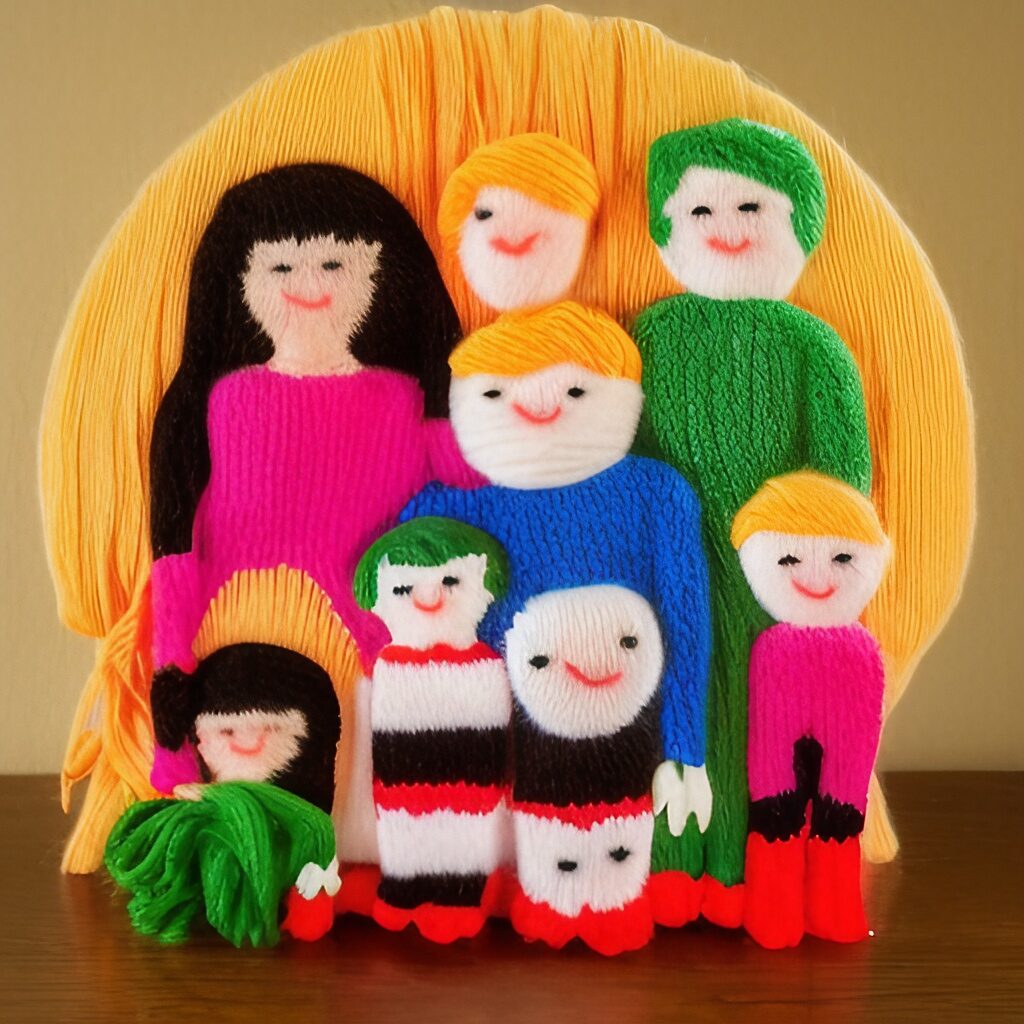
Loving someone with autism can be a unique and rewarding experience, but it can also present its own set of challenges. Understanding and accepting the person for who they are, is the first and most important step in building a healthy and loving relationship. Here are some tips to keep in mind when loving someone on the autism spectrum: In summary, loving someone with autism can be a unique and rewarding experience. The most important thing to remember is to understand and accept them for who they are, communicate effectively, be patient, create a predictable routine and be supportive. Remember that each person on the spectrum is unique and it’s important to work together to find what works best for you and your loved one. Similar Articles
Loving a Friend with Autism: Navigating the Journey Together

Friend with Autism: Navigating the Journey Together If you have a friend with Autism Spectrum Disorder (ASD), you may be wondering how you can support them and strengthen your relationship. ASD is a neurodevelopmental condition that affects social interaction, communication, and behavior. It can be challenging for individuals with autism to navigate the world, but with understanding, patience, and compassion, you can help them thrive. Here are some tips for loving a friend with autism and navigating the journey together. Educate Yourself about Autism Spectrum Disorder When it comes to loving a friend with autism, it’s important to understand that their experience of the world may be different from yours. They may have difficulty understanding social cues, interpreting emotions, and communicating effectively. They may also have unique interests, routines, and sensory sensitivities. This can make it difficult for them to engage in certain activities or understand certain situations, but it doesn’t mean they don’t want to connect with you. One of the most important things you can do as a friend is to educate yourself about autism. Learn about the common signs and symptoms, as well as the unique challenges that individuals with autism face. This will help you understand your friend’s perspective and be more patient and compassionate when they are struggling. Be Open and Accepting One of the most important things you can do as a friend is to accept your friend’s unique characteristics. Don’t try to change them or make them conform to social norms. Instead, learn to appreciate their quirks and individuality. This will help your friend feel more comfortable and accepted, and it will strengthen your bond. Effective Communication Communication is key when it comes to loving a friend with autism. Be patient and clear when speaking with them, and use simple and direct language. Try to understand when they may have difficulty expressing themselves, and don’t take it personally. Consider Sensory Sensitivities Individuals with autism may experience sensory sensitivities that can make certain environments or situations overwhelming. Be mindful of your friend’s sensory sensitivities and try to create an environment that is comfortable for them. This will show them that you care about their well-being and that you’re willing to make adjustments for them. Offer Support and Understanding Individuals with autism may experience additional challenges in their personal and professional lives. They may have difficulty finding and keeping employment, which can lead to financial difficulties. They may also have difficulty with independent living skills, such as cooking and cleaning, which can make it difficult to live independently. Offer your support and understanding in these areas, and try to help them access resources and support they may need. Encourage Acceptance and Understanding It’s important to encourage acceptance and understanding of autism in your community. By raising awareness and promoting acceptance, you can help create a more inclusive and supportive environment for individuals with autism. Remember that autism is a lifelong condition, and your friend will need your support and understanding for the long haul, throughout their entire life. Be there for them during the tough times, and celebrate their successes. Show them that you’re a true friend and that you’ll be there for them through thick and thin. In conclusion, loving a friend with autism can be challenging, but with understanding, patience, and compassion, you can navigate the journey together and create a strong and loving bond. Remember to educate yourself about autism spectrum disorder, be open and accepting, communicate effectively, consider sensory sensitivities, offer support and understanding, and encourage acceptance and understanding in your community. Have you ever had a friend or loved one with autism? How did you navigate your relationship with them? What are some ways that you have found to be helpful in supporting individuals with autism in your community? How can we work together as a society to create a more inclusive and accepting environment for individuals with autism and other neurodiverse conditions? Let us know in the comments below! Similar Articles