
Autism and Communication: Tips for Friends and Family to Foster Effective Interaction

Autism Spectrum Disorder (ASD) is a neurodevelopmental condition that affects communication and social interaction. Individuals with autism have unique communication styles and needs, which can include both verbal and non-verbal cues. Understanding these unique styles and needs is key to fostering effective interaction and building stronger, more understanding relationships. This article delves into the world of autism and communication, providing practical tips for friends and family to improve communication with their autistic loved ones. How Does Autism Affect Communication? Autism affects communication in various ways. Some individuals may have difficulty with verbal communication, including challenges with language development and the use of speech. Others may struggle with non-verbal communication, such as body language and eye contact. It’s important to note that every individual with autism is unique, and so are their communication abilities and styles. For instance, some autistic individuals might use language in unusual ways, such as using made-up words or repeating the same word over and over. This is a common characteristic known as echolalia. Others might have difficulty interpreting body language or non-verbal cues, which are crucial components of effective communication. How Does a Person with Autism Communicate? Communication in autism can be divided into two different domains: receptive communication and expressive communication. Receptive communication refers to how an individual understands and interprets language and non-verbal cues from others. Expressive communication, on the other hand, refers to how an individual uses language and non-verbal cues to express thoughts, feelings, and ideas. Non-verbal communication is common in individuals with ASD. This can include gestures, pictures or drawings, emotive sounds, and physically directing someone’s hand to an object they want. Some individuals might also use objects or pictures to communicate their needs or wants. Can Autistic People Communicate Well? Yes, autistic people can communicate effectively, although their communication styles might differ from what is typically expected. With the right support and understanding, autistic individuals can learn to express themselves in ways that work best for them. It’s important to remember that communication is not just about speech. Non-verbal cues, such as facial expressions, gestures, and body language, play a crucial role in communication. Autistic individuals might rely more heavily on these non-verbal forms of communication. Autism Communication Tips Here are some practical tips for friends and family to improve communication with their autistic loved ones: Patience is key: Autistic individuals might take longer to respond to verbal communication. Give them the time they need to process information and formulate a response. Use clear and concise language: Keep sentences short and straightforward. Avoid using idioms or slang that might be confusing. Respect their communication style: If they prefer to communicate non-verbally, respect that. Use pictures, drawings, or other visual aids to facilitate communication. Teach and use alternative communication methods: This can include sign language, picture exchange communication systems (PECS), or speech-generating devices. Encourage expression of interests: Autistic individuals often have specific interests they are passionate about. Encourage them to share these interests as a way of fostering communication. Provide a safe and supportive environment: Make sure they feel safe and supported in expressing themselves. This can help reduce anxiety and promote more effective communication. By understanding and accommodating the unique communication styles and needs of autistic individuals, we can foster more effective interaction and build stronger, more understanding relationships. Conclusion Understanding autism and communication is a journey of learning and empathy. By embracing the unique communication styles of autistic individuals and adapting our own communication strategies, we can foster more effective interaction and build stronger, more understanding relationships. It’s a journey that requires patience, empathy, and a willingness to learn. But the rewards — deeper connections, improved understanding, and stronger bonds — are well worth the effort. Remember, every autistic individual is unique. Their communication styles and needs may vary greatly. What works for one person might not work for another. The key is to keep an open mind, be patient, and always strive to understand and respect their unique ways of communicating. In the end, communication is about connection. And with understanding and support, we can help our autistic loved ones connect with the world in their own unique and beautiful ways. Join the Conversation We hope this article has provided valuable insights into autism and communication. But the journey doesn’t stop here. We invite you to join our community at Epic Autism. Share your experiences, ask questions, and learn from others who are walking the same path. What strategies have you found effective in communicating with your autistic loved ones? Do you have any experiences or tips you’d like to share? Are there any challenges you’re currently facing in this area? Please share your thoughts, experiences, and questions in the comments section below. Your insights could be the help that someone else needs. Let’s continue the conversation and learn from each other. Remember, you’re not alone on this journey. We’re all in this together. Let’s support each other and make a difference in the lives of our loved ones with autism. Join us in our mission to foster understanding, empathy, and effective communication. Together, we can make a difference. Similar Articles
Understanding Autism: Crucial Information for Friends and Family

Autism, or Autism Spectrum Disorder (ASD), is a complex, multifaceted condition that affects individuals in a variety of ways. For friends and family members of late-diagnosed autistic adults, understanding this condition can be a journey filled with learning, empathy, and growth. This article aims to provide a foundational understanding of autism, dispel common myths, and emphasize the importance of empathy and understanding in supporting autistic loved ones. What is Autism? Autism Spectrum Disorder (ASD) is a complex and lifelong condition that affects individuals in different ways. The symptoms of ASD can range from mild to severe and may include challenges with communication, social interaction, and behavior. People with ASD may struggle to understand social cues, have difficulty making eye contact, and may avoid social situations altogether. They may also engage in repetitive behaviors such as hand-flapping or rocking back and forth. One of the defining features of ASD is the wide variation in symptoms and severity. Some individuals may have mild symptoms and be able to live relatively independent lives, while others may require significant support and assistance throughout their lives. This variability has led to the term “spectrum” disorder, reflecting the fact that each person with ASD is unique and may experience the condition differently. Autism is not a disease that can be cured. It is simply a different way of experiencing the world. Many people with ASD have strengths and abilities that are different from neurotypical individuals. For example, some people with ASD may have a remarkable ability to remember details or excel in areas such as math or music. With the right support, people with ASD can lead fulfilling and meaningful lives and make valuable contributions to society. The Impact of Autism on Family and Friends Autism is a complex neurological disorder that affects social interaction, communication, and behavior. While it may be challenging for the individual who is diagnosed with autism, it can also be a challenging experience for their loved ones. Family members and friends may struggle to understand the changes and behaviors of their loved one, which can lead to frustration, confusion, and even guilt. The diagnosis of autism can be a significant turning point for families. It can be an overwhelming experience, but it is essential to remember that it is not the end of the world. It is a starting point in the journey towards understanding, acceptance, and support. It’s a time to learn more about autism and discover ways to help the individual live a fulfilling life. The journey towards understanding and adjusting to a loved one’s diagnosis of autism can be a long process. It takes patience, empathy, and a willingness to learn. Family members and friends must take the time to educate themselves about autism and its impact on the individual. They need to understand the individual’s needs, strengths, and challenges to provide the necessary support. It’s not unusual for loved ones to experience a range of emotions when their loved one is diagnosed with autism. The initial reaction may be shock, confusion, and even denial. However, as they learn more about autism, they may feel relief and gratitude for finally having an explanation for their loved one’s behavior. They may also feel guilty for not recognizing the signs earlier, which is a common feeling, but it’s essential to know that it’s not their fault. How to Behave with an Autistic Friend When interacting with an autistic friend, it’s essential to be patient, understanding, and respectful. Here are some tips: Respect their sensory needs: Autistic people may be hypersensitive or hyposensitive to sensory input. Respect their needs and comfort levels regarding noise, touch, and other stimuli. Communicate clearly: Be clear and direct in your communication. Avoid using idioms or sarcasm, which can be confusing. Respect their space: Autistic people may need more personal space than others. Always ask before initiating physical contact. Is it Hard for Autistic People to Have Friends? Autistic people can and do form meaningful relationships. However, they may face challenges in social situations due to differences in communication and social interaction. Misunderstandings can occur, but with patience, understanding, and clear communication, these can be overcome. How Can We Help Friends and Family with Autism? Supporting a loved one with autism involves understanding, acceptance, and advocacy. Here are some ways to help: Educate Yourself: Learn about autism and how it affects your loved one. Understanding their experiences can help you provide better support. Be Patient: Adjusting to a new diagnosis can take time. Be patient with your loved one and yourself as you navigate this new terrain. Advocate: Stand up for your loved one’s rights and inclusion in all areas of life. Dispelling Common Myths About Autism There are many misconceptions about autism. Here are a few common myths and the truths behind them: Myth: Autistic people don’t want to make friends. Truth: Autistic people can and do form meaningful relationships. They might interact differently, but that doesn’t mean they don’t value friendship. Myth: Autism is caused by bad parenting. Truth: Autism is a neurodevelopmental condition. It’s not caused by parenting styles or practices. Myth: Autistic people are all alike. Truth: Autism is a spectrum disorder, meaning it affects individuals differently. Each autistic person is unique. The Importance of Empathy and Understanding Autism Empathy and understanding are crucial when supporting an autistic loved one. By seeking to understand their experiences and showing empathy, you can help create an environment where they feel seen, accepted, and loved. At Epic Autism, we believe in the power of understanding and empathy. We strive to provide comprehensive, accessible information and practical strategies for individuals onthe autism spectrum, their families, and professionals. Our content is created by individuals on the spectrum, ensuring authentic, firsthand insights. Understanding Autism: Conclusion Understanding autism is a journey, but it’s a journey worth taking. Autism is a complex and multifaceted condition that affects individuals in different ways. For friends and family members of late-diagnosed autistic adults, understanding and acceptance can be a journey filled with
Communicating with Autistic Adults: Strategies for Building Positive Relationships with Late-Diagnosed Autistic Adults

Communicating with Autistic Adults: Strategies for Building Positive Relationships with Late-Diagnosed Autistic Adults is a resource that provides practical tips and strategies for individuals who want to establish positive relationships with autistic adults. The article is particularly useful for those who have recently been diagnosed with autism or those who have a loved one with autism, and it covers a range of topics, including communication strategies, sensory issues, and social skills, and provides readers with the tools they need to build strong, positive relationships with autistic adults. Understanding the Unique Communication Needs of Autistic Adults Autism is a neurodevelopmental disorder that affects communication, social interaction, and behavior. It is a spectrum disorder, which means that it affects individuals differently. Some people with autism may have difficulty with verbal communication, while others may have difficulty with nonverbal communication. As a result, communicating with autistic adults can be challenging, especially if they were diagnosed later in life. In this article, we will discuss strategies for building positive relationships with late-diagnosed autistic adults. Autistic adults have unique communication needs that differ from those of neurotypical adults. They may have difficulty with social cues, such as body language and facial expressions. They may also have difficulty with verbal communication, such as understanding sarcasm and figurative language. As a result, it is important to communicate with autistic adults in a clear and direct manner. One strategy for communicating with autistic adults is to use visual aids. Visual aids can help to clarify information and reduce confusion. For example, if you are discussing a complex topic, you may want to use a diagram or a flowchart to help the autistic adult understand the information. Another strategy is to use plain language. Autistic adults may have difficulty with abstract concepts and complex vocabulary. Using plain language can help to ensure that the autistic adult understands the information being communicated. Building Positive Relationships with Late-Diagnosed Autistic Adults Building positive relationships with late-diagnosed autistic adults can be challenging, but it is possible. Be patient and understanding Autistic adults may have difficulty with social interaction, and it may take time for them to feel comfortable around new people. It is important to be patient and allow the autistic adult to set the pace of the relationship. Focus on shared interests Autistic adults may have intense interests in specific topics, such as science or music. By focusing on shared interests, you can build a connection with the autistic adult and create a positive relationship. Respect the boundaries of the autistic adult Autistic adults may have sensory sensitivities, such as sensitivity to loud noises or bright lights. It is important to respect these sensitivities and avoid activities that may be overwhelming for the autistic adult. Communicating with autistic adults can be challenging, especially if they were diagnosed later in life. However, by understanding the unique communication needs of autistic adults and using strategies such as visual aids and plain language, it is possible to build positive relationships with late-diagnosed autistic adults. By being patient, focusing on shared interests, and respecting boundaries, you can create a positive and meaningful relationship with an autistic adult. Tips for Communicating with Autistic Adults: Building Trust and Respect Autistic adults who were diagnosed later in life may have had a difficult time growing up. They may have struggled with social interaction, communication, and behavior. They may have been misunderstood, misdiagnosed, or not diagnosed at all. As a result, they may have developed coping mechanisms that helped them navigate the world, but may not be helpful in building positive relationships with others. If you are looking to build a positive relationship with an autistic adult, it is important to understand their perspective. Autistic adults may have a different way of thinking, processing information, and communicating. They may have difficulty with social cues, sarcasm, and metaphors. They may also have difficulty with sensory processing, which means that they may be sensitive to certain sounds, textures, or smells. To build trust and respect in relationships with autistic adults, it is important to be patient, understanding, and respectful. Here are some strategies that can help: 1. Listen actively Active listening means paying attention to what the other person is saying, without interrupting or judging. It means asking questions to clarify what they mean, and summarizing what they said to show that you understand. Active listening can help build trust and respect, and can also help you understand the other person’s perspective. 2. Use clear and concise language Autistic adults may have difficulty with abstract language, sarcasm, or metaphors. Using clear and concise language can help them understand what you are saying. It can also help avoid misunderstandings or confusion. 3. Use Visual Aids Another strategy for communicating with autistic adults is to use visual aids. Many autistic adults are visual learners and may have difficulty with verbal communication. Therefore, using visual aids such as pictures, diagrams, or videos can help them understand information better. Visual aids can also help them remember information more easily. 4. Be patient One of the most important strategies for communicating with autistic adults is to be patient. Autistic adults may take longer to process information and respond to questions. They may also have difficulty with social cues and may not understand sarcasm or humor. Therefore, it is important to give them time to process information and respond in their own way. It is also important to be clear and concise when communicating with autistic adults. Use simple language and avoid using idioms or metaphors that may be confusing. 5. Be Aware of Sensory Issues It is also important to be aware of sensory issues when communicating with autistic adults. Many autistic adults have sensory processing issues and may be sensitive to certain sounds, smells, or textures. Therefore, it is important to be mindful of their sensory needs when communicating with them. For example, if an autistic adult is sensitive to loud noises, it may be helpful to communicate in a quiet environment. 6. Respect their
Autism and Relationships: The Social Fabric of Navigating Connections for Autistic Individuals

Navigating the world of autism and relationships can be challenging and complex. This article aims to offer guidance for autistic individuals in various types of relationships, including dating, friendships, and family dynamics. We’ll discuss challenges that may arise and provide practical advice for overcoming them, with suggestions for communication, setting boundaries, and understanding social cues. Let’s dive in! Building Friendships: Fostering Meaningful Connections Understanding Social Cues and Nuances One of the primary challenges autistic individuals face in relationships is interpreting social cues and nuances. Here are some suggestions to help navigate these complexities: Consider alternative forms of communication, such as writing, texting, or using visual cues. Don’t be afraid to ask for clarification or feedback from trusted friends or loved ones. Keep in mind the specific context of a conversation, as well as your relationship with the person you’re interacting with, to better understand the intent behind their actions or words. The same social cue may have different meanings in different situations. Establishing Boundaries and Communicating Needs Developing healthy friendships requires setting boundaries and communicating personal needs. Autistic individuals can: Clearly express their comfort levels and preferences in social situations Be open about sensory sensitivities or communication styles Seek friendships with individuals who understand and respect their unique needs and perspectives Engaging in Shared Interests Finding common ground is an essential aspect of building friendships. Autistic individuals can: Join clubs, organizations, or online forums focused on their interests Attend social events or activities centered around their passions Share their knowledge and enthusiasm for their interests with others Navigating the Dating Scene: Finding Love and Companionship Embracing Authenticity In the dating world, it’s crucial to be true to oneself. Autistic individuals should: Be open about their autism diagnosis, if they feel comfortable doing so Share their interests, strengths, and challenges with potential partners Look for partners who appreciate their unique qualities and provide mutual support Developing Communication Skills Effective communication is vital in any romantic relationship. Autistic individuals can: Practice expressing their feelings and emotions, both verbally and non-verbally Learn to listen actively and empathetically to their partner’s needs and concerns Work on understanding and respecting their partner’s communication preferences Seeking Out Inclusive Dating Platforms Finding an inclusive and supportive dating platform can help autistic individuals connect with potential partners. Some options include: Online dating sites or apps specifically designed for autistic individuals or those with other disabilities Social groups or clubs focused on shared interests, where they can meet like-minded individuals Support groups for autistic adults, which can provide a safe space for discussing dating experiences and seeking advice Strengthening Family Dynamics: Fostering Harmony and Understanding Enhancing Communication within the Family Clear communication is vital for maintaining healthy family relationships. Autistic individuals and their family members can: Engage in open and honest conversations about their needs, preferences, and challenges Develop strategies for managing sensory sensitivities or meltdowns within the family setting Seek professional guidance, such as family therapy or counseling, to address communication barriers and strengthen bonds Encouraging Empathy and Understanding Fostering empathy and understanding within the family is crucial for building a supportive environment. Family members can: Learn more about autism and its impact on daily life Listen to and validate the autistic individual’s experiences and emotions Practice patience and flexibility in accommodating the unique needs and preferences of their autistic family member Weaving the Social Tapestry: Autism and Relationships In conclusion, navigating the world of relationships can be challenging for autistic individuals, but with the right strategies and support, meaningful connections can be fostered. By understanding social cues, setting boundaries, and embracing authenticity, autistic individuals can form lasting friendships, find love and companionship, and strengthen family dynamics. It is essential for autistic individuals and their loved ones to work together in cultivating empathy, understanding, and open communication. Are you or someone you know interested in learning more about autism and relationships? Sign up for the Epic Autism newsletter to stay connected and updated on how you can support understanding and promote the well-being of autistic individuals and their families.
Loving Someone with Autism: A Brief Guide
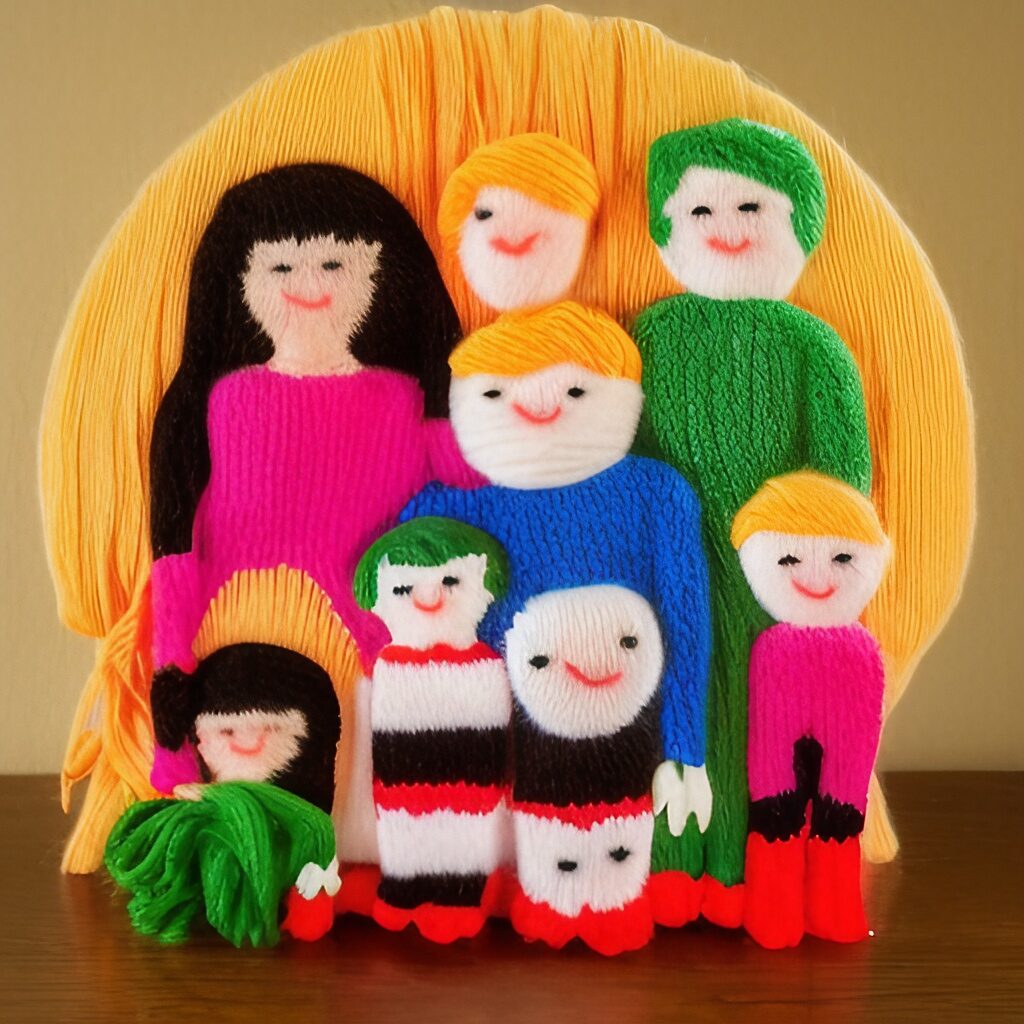
Loving someone with autism can be a unique and rewarding experience, but it can also present its own set of challenges. Understanding and accepting the person for who they are, is the first and most important step in building a healthy and loving relationship. Here are some tips to keep in mind when loving someone on the autism spectrum: In summary, loving someone with autism can be a unique and rewarding experience. The most important thing to remember is to understand and accept them for who they are, communicate effectively, be patient, create a predictable routine and be supportive. Remember that each person on the spectrum is unique and it’s important to work together to find what works best for you and your loved one. Similar Articles