
Mindfulness and Autism: Exploring the Benefits of Meditation for Late-Diagnosed Autistic Adults

Table of Contents Mindfulness and Autism: Introduction Understanding the Connection Between Mindfulness and Autism Mindfulness-Based Interventions for Autism: Current Research and Future Directions The Benefits of Meditation for Late-Diagnosed Autistic Adults Mindfulness Techniques for Managing Anxiety and Sensory Overload Incorporating Mindfulness into Daily Life for Autistic Individuals Mindfulness and Autism: Conclusion “Unlocking inner peace and self-awareness through mindfulness meditation for late-diagnosed autistic adults.” Mindfulness and Autism: Introduction This article explores the potential benefits of mindfulness meditation for late-diagnosed autistic adults. Mindfulness is a practice that involves paying attention to the present moment without judgment. It has been shown to reduce stress, anxiety, and depression in the general population. Mindfulness may also be helpful for individuals with autism. This article will discuss the research on mindfulness and autism, as well as practical tips for incorporating mindfulness into daily life. Understanding the Connection Between Mindfulness and Autism Mindfulness and Autism: Exploring the Benefits of Meditation for Late-Diagnosed Autistic Adults Autism is a neurodevelopmental disorder that affects communication, social interaction, and behavior. It is a spectrum disorder, which means that it affects individuals differently. The severity of the symptoms can vary from person to person. Autism is usually diagnosed in childhood, but some individuals may not receive a diagnosis until later in life. Late-diagnosed autistic adults often struggle with anxiety, depression, and other mental health issues. However, mindfulness meditation has been shown to be an effective tool for managing these symptoms. What is Mindfulness? Mindfulness is the practice of being present in the moment, without judgment or distraction. It involves paying attention to your thoughts, feelings, and physical sensations, and accepting them without trying to change them. Mindfulness meditation is a technique that involves focusing your attention on your breath or a specific object, and bringing your mind back to that focus whenever it wanders. It is a simple practice, but it can have profound effects on your mental and physical health. Research has shown that mindfulness meditation can be beneficial for individuals with autism. A study published in the Journal of Autism and Developmental Disorders found that mindfulness-based interventions can improve social communication, reduce anxiety, and increase emotional regulation in individuals with autism. Another study published in the Journal of Child Psychology and Psychiatry found that mindfulness meditation can improve attention and reduce hyperactivity in children with autism. Benefits of Mindfulness for Autism Emotional Regulation One of the reasons why mindfulness meditation is effective for individuals with autism is that it helps them to regulate their emotions. Many individuals with autism struggle with emotional regulation. This can lead to anxiety, depression, and other mental health issues. Mindfulness meditation can help them to become more aware of their emotions and to regulate them more effectively. By practicing mindfulness, individuals with autism can learn to recognize their triggers and respond to them in a more positive way. Improve Social Skills Another benefit of mindfulness meditation for individuals with autism is that it can improve their social skills. Many individuals with autism struggle with social communication. This can make it difficult for them to form relationships and to navigate social situations. Mindfulness meditation can help them become more aware of their own thoughts and feelings. It can also help them become more aware of the thoughts and feelings of others. By practicing mindfulness, individuals with autism can learn to communicate more effectively. Improve Cognitive Function Mindfulness meditation can also improve cognitive function in individuals with autism. Many individuals with autism struggle with attention and executive function. This can make it difficult for them to focus on tasks and to plan and organize their lives. Mindfulness meditation can help them to improve their attention and to develop better executive function skills. By practicing mindfulness, individuals with autism can learn to focus their attention on the present moment and to plan and organize their thoughts more effectively. Mindfulness meditation is a powerful tool for managing the symptoms of autism in late-diagnosed adults. It can help them to regulate their emotions, improve their social skills, and enhance their cognitive function. By practicing mindfulness, individuals with autism can learn to live more fully in the present moment and develop a greater sense of peace and well-being. If you are a late-diagnosed autistic adult, consider incorporating mindfulness meditation into your daily routine. It may be just the tool you need to manage your symptoms and to live a more fulfilling life. Mindfulness-Based Interventions for Autism: Current Research and Future Directions Autism is a neurodevelopmental disorder that affects social communication, behavior, and sensory processing. It is a lifelong condition that can cause significant challenges for individuals and their families. This can make living with autism in a neurotypical world very difficult. Thankfully, there are various interventions that can help individuals with autism manage their symptoms and improve their quality of life. One such intervention is mindfulness-based interventions. What are Mindfulness-Based Interventions? Mindfulness is a practice that involves paying attention to the present moment, without judgment. It is a way of being fully present and engaged in the moment, rather than being distracted by thoughts or worries. Mindfulness-based interventions have been shown to be effective in reducing stress, anxiety, and depression in a variety of populations. This has even been show to be effective in individuals with autism. Research has shown that mindfulness-based interventions can be particularly beneficial for late-diagnosed autistic adults. These individuals may have spent years struggling with social communication and sensory processing challenges without understanding why. They may have developed coping mechanisms that are not always healthy or effective. Mindfulness can help these individuals to develop a greater awareness of their thoughts, feelings, and behaviors. This can help them develop more effective coping strategies. Studies on Mindfulness-Based Intervention One study found that a mindfulness-based intervention called Mindfulness-Based Positive Behavior Support (MBPBS) was effective in reducing challenging behaviors in children with autism. The intervention involved teaching parents and caregivers mindfulness techniques. It also involved teaching them strategies for managing challenging behaviors. The results of the study showed that the
How To Overcome Social Isolation: How Friends and Family Can Help Late-Diagnosed Autistic Adults Connect with Others

“Breaking down barriers and building meaningful connections for late-diagnosed autistic adults.” This article will discuss how to overcome social isolation, and how friends and family can help late-diagnosed autistic adults connect with others. Social isolation is a common issue for autistic adults, and it can have negative impacts on their mental health and overall well-being. However, with the support of loved ones, autistic adults can learn to navigate social situations and build meaningful relationships. The Importance of Understanding Late-Diagnosed Autism to Overcome Social Isolation As someone who was diagnosed with autism later in life, I know firsthand how difficult it can be to connect with others and overcome social isolation. It can feel like you’re on the outside looking in, unable to understand the social cues and unwritten rules that seem to come so naturally to everyone else. But the good news is that with the help of friends and family, it is possible to break through that isolation and build meaningful connections with others. Here are some tips for how loved ones can support late-diagnosed autistic adults in their journey towards social connection. Provide a Safe and Supportive Environment First and foremost, it’s important to understand that autism is a spectrum disorder, and each person’s experience with it is unique. Some autistic individuals may struggle with sensory processing, while others may have difficulty with social communication or executive functioning. By taking the time to learn about your loved one’s specific challenges and strengths, you can better support them in their efforts to connect with others. One of the biggest barriers to social connection for autistic adults is the fear of rejection or misunderstanding. Many of us have experienced negative social interactions in the past, and may be hesitant to put ourselves out there again. This is where friends and family can play a crucial role in providing a safe and supportive environment for socializing. For example, you might consider hosting a small gathering with a few close friends or family members, and letting your loved one know that they are welcome to attend without any pressure to socialize if they don’t feel comfortable. This can help to build confidence and reduce anxiety around social situations. Find Social Activities That Align With Interests Another way to support your loved one is by helping them to find social activities that align with their interests and strengths. For example, if they enjoy art or music, you might look for local classes or groups that focus on those areas. If they are passionate about a particular topic, you might suggest joining an online forum or community where they can connect with others who share their interests. Explore Online Communities to Overcome Social Isolation It’s also important to recognize that social connection doesn’t always have to happen in person. Many autistic adults find that online communities and social media platforms can be a valuable way to connect with others who understand their experiences. Encourage your loved one to explore these options and provide guidance on how to navigate these spaces safely and respectfully. Finally, it’s important to remember that building social connections takes time and effort. It’s not something that can happen overnight, and there may be setbacks along the way. But with patience, understanding, and support from friends and family, it is possible to overcome social isolation and build meaningful connections with others. Late-diagnosed autism can present unique challenges when it comes to social connection, but with the help of friends and family, it is possible to overcome these barriers. By providing a safe and supportive environment, helping to find social activities that align with their interests, and encouraging exploration of online communities, loved ones can play a crucial role in helping autistic adults build meaningful connections with others. Remember, social connection takes time and effort, but with patience and support, it is possible to break through the isolation and build a fulfilling social life. Strategies for Friends and Family to Support Late-Diagnosed Autistic Adults in Building Social Connections As a late-diagnosed autistic adult, I know firsthand how difficult it can be to connect with others. Social isolation can be a common experience for those on the autism spectrum, but it doesn’t have to be a permanent one. With the help of friends and family, it’s possible to overcome social isolation and build meaningful connections with others. Be Patient and Understanding One of the most important things that friends and family can do to support late-diagnosed autistic adults is to be patient and understanding. It can take time for us to feel comfortable in social situations, and we may need to take breaks or step back from socializing at times. It’s important for our loved ones to respect our boundaries and not push us too hard. Provide Opportunities for Socialization Another way that friends and family can help is by providing opportunities for socialization. This could mean inviting us to social events or gatherings, or even just suggesting activities that we can do together. It’s important to keep in mind that not all social situations will be comfortable for us, so it’s okay to start small and work our way up to larger gatherings. Be Mindful of Sensory Needs It’s also helpful for friends and family to be aware of our sensory needs. Many autistic individuals have sensory sensitivities that can make certain social situations overwhelming or uncomfortable. By being mindful of our needs and making accommodations when possible, our loved ones can help us feel more comfortable and at ease in social situations. Engage in Meaningful Conversations Communication is key when it comes to building social connections. Friends and family can help by being good listeners and engaging in meaningful conversations with us. It’s important to remember that autistic individuals may communicate differently than neurotypical individuals, so it’s important to be patient and open-minded. Find Social Groups or Communities Another way that friends and family can support us is by helping us find social groups or communities that align with our
Autistic Anxiety: Techniques for Helping Late-Diagnosed Autistic Adults Cope with Stressful Situations

“Empowering late-diagnosed autistic adults to conquer anxiety and thrive.” Autistic anxiety is a common experience for many late-diagnosed autistic adults. Coping with stressful situations can be challenging, but there are techniques that can help alleviate anxiety and improve overall well-being. In this article, we will explore some of these techniques and how they can be applied in daily life. Mindfulness Techniques for Autistic Anxiety in Late-Diagnosed Adults As an autistic adult, I know firsthand how overwhelming and stressful certain situations can be. Whether it’s a crowded room, a loud noise, or a change in routine, these triggers can cause intense anxiety and make it difficult to function. But over the years, I’ve learned some mindfulness techniques that have helped me cope with my autistic anxiety and navigate these situations with more ease. Deep Breathing One of the most effective techniques I’ve found is deep breathing. When I feel myself getting anxious, I take a few deep breaths and focus on the sensation of the air moving in and out of my body. This helps me slow down my racing thoughts and calm my nervous system. I also find it helpful to count my breaths, which gives me something to focus on and helps me stay present in the moment. Visualization Another technique that has been helpful for me is visualization. When I’m feeling anxious, I close my eyes and imagine myself in a peaceful, calming environment. This could be a beach, a forest, or any other place that makes me feel relaxed and at ease. I focus on the sights, sounds, and sensations of this environment, and allow myself to fully immerse in the experience. This helps me shift my focus away from my anxiety and into a more positive, calming state of mind. Mindfulness Mindfulness meditation is another technique that has been shown to be effective for reducing anxiety in autistic adults. This involves sitting quietly and focusing on your breath, while allowing your thoughts and emotions to come and go without judgment. This can be challenging at first, especially if you’re not used to sitting still and quieting your mind. But with practice, it can become a powerful tool for managing anxiety and improving overall well-being. Other Techniques for Autistic Anxiety In addition to these mindfulness techniques, there are also some practical strategies that can help autistic adults cope with anxiety in everyday life. One of these is creating a routine and sticking to it as much as possible. This can help reduce uncertainty and provide a sense of structure and predictability, which can be comforting for autistic individuals who thrive on routine. Another strategy is to avoid or minimize triggers as much as possible. This might mean avoiding crowded places, loud noises, or other stimuli that can cause anxiety. Of course, it’s not always possible to avoid these triggers completely, but being aware of them and taking steps to minimize their impact can be helpful. Finally, it’s important to remember that everyone’s experience with anxiety is different, and what works for one person may not work for another. It’s okay to experiment with different techniques and strategies until you find what works best for you. And if you’re struggling with anxiety, don’t hesitate to reach out for help. There are many resources available, including therapists, support groups, and online communities, that can provide guidance and support. Managing autistic anxiety can be challenging, but there are many mindfulness techniques and practical strategies that can help. By practicing deep breathing, visualization, mindfulness meditation, and other techniques, autistic adults can learn to cope with anxiety and navigate stressful situations with more ease. And by creating routines, avoiding triggers, and seeking support when needed, they can improve their overall well-being and quality of life. Cognitive Behavioral Therapy for Autistic Anxiety in Late-Diagnosed Adults It can be difficult for late-diagnosed adults with autistic anxiety to navigate social interactions, sensory overload, and unexpected changes in routine. These challenges can lead to anxiety, which can further exacerbate the difficulties of living with autism. However, there are techniques that can help autistic adults cope with anxiety and manage stressful situations. One effective approach is cognitive behavioral therapy (CBT). CBT is a type of therapy that focuses on changing negative thought patterns and behaviors. It can be particularly helpful for autistic adults with anxiety because it provides practical tools for managing stress and improving coping skills. Challenge Negative Thoughts One of the key components of CBT is identifying and challenging negative thoughts. Autistic adults with anxiety may have a tendency to catastrophize or assume the worst in situations. For example, if a social event is coming up, they may automatically assume that it will be a disaster and that they will embarrass themselves. These negative thoughts can lead to increased anxiety and avoidance of the situation. CBT teaches individuals to identify these negative thoughts and challenge them with evidence-based reasoning. For example, if an autistic adult is worried about a social event, they can ask themselves, “What evidence do I have that this event will be a disaster?” They may realize that they have attended similar events in the past and had a good time, or that they have supportive friends who will be there to help them through any difficulties. Develop Skills Another important aspect of CBT is developing coping skills. Autistic adults with anxiety may benefit from learning relaxation techniques, such as deep breathing or progressive muscle relaxation. These techniques can help reduce physical symptoms of anxiety, such as rapid heartbeat or sweating. CBT can also help individuals develop problem-solving skills. Autistic adults with anxiety may struggle with unexpected changes in routine or social situations that they are not prepared for. CBT can teach individuals how to break down a problem into smaller, manageable steps and come up with a plan for addressing it. This can help reduce anxiety and increase confidence in handling difficult situations. It is important to note that CBT is not a one-size-fits-all approach. Autistic adults with anxiety may
Autism Independent Living: Strategies for Helping Late-Diagnosed Autistic Adults Live on Their Own

Table of Contents Autism Independent Living: Introduction Navigating Social Situations and Building Relationships as an Autistic Adult Creating a Support Network for Autism Independent Living Finding and Maintaining Employment as an Autistic Adult Managing Finances and Budgeting for Autism Independent Living Developing Daily Living Skills for Autistic Adults Autism Independent Living: Conclusion Autism Independent Living: Introduction Autism Independent Living: Strategies for Helping Late-Diagnosed Autistic Adults Live on Their Own is an article that provides practical advice and strategies for individuals with autism who have been diagnosed later in life and are looking to live independently. The article covers a range of topics, including finding suitable housing, managing finances, developing social skills, and accessing support services. It is designed to help autistic individuals navigate the challenges of autism independent living and achieve greater autonomy and self-sufficiency. Navigating Social Situations and Building Relationships as an Autistic Adult As an autistic adult, navigating social situations and building relationships can be challenging. However, with the right strategies and support, it is possible to develop meaningful connections and lead a fulfilling life. One of the most important things to remember is that everyone has different social needs and preferences. Some autistic adults may prefer to socialize in small groups or one-on-one, while others may enjoy larger gatherings. It’s important to identify what works best for you and to communicate your needs to others. Another helpful strategy is to practice social skills in a safe and supportive environment. This could include joining a social skills group or attending a therapy session focused on social interaction. By practicing social skills in a controlled setting, you can build confidence and develop strategies for handling different social situations. It’s also important to be aware of your own sensory needs and how they may impact your social interactions. For example, if you are sensitive to loud noises, you may find it difficult to socialize in noisy environments. By identifying your sensory needs and communicating them to others, you can create a more comfortable and enjoyable social experience. Building relationships as an autistic adult can also be challenging, but it’s important to remember that meaningful connections can be formed in many different ways. Some autistic adults may prefer to connect with others who share their interests or hobbies, while others may find it easier to connect with people online. It’s also important to be open and honest about your autism diagnosis with potential friends and partners. This can help to avoid misunderstandings and ensure that your needs are understood and respected. Finally, it’s important to remember that building relationships takes time and effort. Don’t be discouraged if it takes longer to form connections than you would like. With patience and persistence, you can develop meaningful relationships that enrich your life. Navigating social situations and building relationships as an autistic adult can be challenging, but with the right strategies and support, it is possible to lead a fulfilling life. By identifying your social needs, practicing social skills, being aware of your sensory needs, and being open and honest about your diagnosis, you can develop meaningful connections and build a supportive network of friends and partners. Remember to be patient and persistent, and don’t be afraid to seek out support and resources when needed. Creating a Support Network for Autism Independent Living Living independently is a goal that many people strive for, but for late-diagnosed autistic adults, it can be a daunting task. However, with the right support network and strategies in place, it is possible to achieve this goal. Next, we will discuss some strategies for creating a support network for autism independent living. The first step in creating a support network is to identify the people who can help. This may include family members, friends, and professionals such as therapists or social workers. It is important to have a diverse group of people who can provide different types of support. Once you have identified your support network, it is important to communicate your needs and goals to them. This can be done through regular meetings or check-ins, where you can discuss your progress and any challenges you may be facing. It is also important to be open to feedback and suggestions from your support network, as they may have valuable insights and ideas. Another important aspect of creating a support network is to establish clear boundaries and expectations. This can include setting up a schedule for check-ins or outlining specific tasks or responsibilities for each member of the network. By establishing clear boundaries and expectations, everyone will know what is expected of them and there will be less confusion or misunderstandings. In addition to your support network, it is also important to develop your own skills and strategies for autism independent living. This may include learning how to manage your finances, cook healthy meals, or maintain a clean living space. There are many resources available online or through community organizations that can help you develop these skills. It is also important to prioritize self-care and mental health. Living independently can be stressful and overwhelming at times, so it is important to have strategies in place for managing stress and anxiety. This may include practicing mindfulness or meditation, engaging in regular exercise, or seeking support from a therapist or support group. Finally, it is important to celebrate your successes and acknowledge your progress. Living independently is a significant accomplishment, and it is important to recognize the hard work and dedication that went into achieving this goal. By celebrating your successes, you can build confidence and motivation to continue working towards your goals. Creating a support network for autism independent living is essential for late-diagnosed autistic adults. By identifying the people who can help, communicating your needs and goals, establishing clear boundaries and expectations, developing your own skills and strategies, prioritizing self-care and mental health, and celebrating your successes, you can achieve your goal of living independently. Remember, with the right support and strategies in place, anything is possible. Finding and Maintaining
Autism Social Event Support: How Friends and Family Can Help Late-Diagnosed Autistic Adults Navigate Social Situations

Table of Contents Introduction Understanding Autism: Tips for Autism Social Event Support Navigating Social Situations: A Guide for Late-Diagnosed Autistic Adults Building a Support System: How Friends and Family Can Help Autistic Adults Thrive in Social Settings Conclusion Autism Social Event Support: Introduction Autism Social Event Support is a crucial aspect of helping late-diagnosed autistic adults navigate social situations. Friends and family can play a significant role in providing support and understanding to individuals with autism, especially in social events. With the right autism social event support, autistic individuals can feel more comfortable and confident in social situations, leading to improved social skills and overall well-being. In this article, we will discuss how friends and family can help late-diagnosed autistic adults navigate social situations. Understanding Autism: Tips for Autism Social Event Support Autism is a neurodevelopmental disorder that affects communication, social interaction, and behavior. It is a spectrum disorder, which means that it affects individuals differently. Some people with autism may have difficulty with social situations, while others may have difficulty with communication or repetitive behaviors. Late-diagnosed autistic adults may have a harder time navigating social situations, but with the support of friends and family, they can learn to manage and enjoy social events. One of the most important things that friends and family can do to support late-diagnosed autistic adults is to understand their needs. Autistic individuals may have difficulty with sensory processing, which means that they may be sensitive to certain sounds, lights, or textures. They may also have difficulty with social cues, such as body language or tone of voice. By understanding these needs, friends and family can help create a comfortable and supportive environment for the autistic individual. Another way that friends and family can support late-diagnosed autistic adults is by helping them prepare for social events. This may include discussing the event beforehand, providing information about the venue or the people who will be attending, and helping the individual plan their outfit or transportation. By providing this support, friends and family can help reduce anxiety and increase confidence. During social events, friends and family can continue to provide support by being aware of the individual’s needs. This may include helping them navigate social interactions, such as introducing them to new people or helping them join a conversation. It may also include providing a quiet space for the individual to take a break if they become overwhelmed. By being attentive and supportive, friends and family can help the individual feel more comfortable and included in social situations. It is also important for friends and family to be patient and understanding. Autistic individuals may have difficulty with social situations, and it may take time for them to feel comfortable and confident. By being patient and understanding, friends and family can help the individual build their social skills and feel more confident in social situations. Finally, friends and family can support late-diagnosed autistic adults by encouraging them to participate in social events. While it may be tempting to avoid social situations that may be challenging, it is important for autistic individuals to have opportunities to practice their social skills and build relationships. By encouraging and supporting their participation in social events, friends and family can help the individual develop their social skills and feel more connected to their community. In conclusion, late-diagnosed autistic adults may have difficulty navigating social situations, but with the right autism social event support from friends and family, they can learn to manage and enjoy social events. By understanding their needs, helping them prepare, providing support during events, being patient and understanding, and encouraging their participation, friends and family can help autistic individuals build their social skills and feel more confident and connected in social situations. Navigating Social Situations: A Guide for Late-Diagnosed Autistic Adults Navigating social situations can be a challenge for anyone, but for late-diagnosed autistic adults, it can be particularly daunting. Autism is a neurodevelopmental disorder that affects communication, social interaction, and behavior. Many autistic adults are diagnosed later in life, which means they may have spent years struggling to understand why they feel different from others. One of the biggest challenges for late-diagnosed autistic adults is navigating social events. Parties, gatherings, and other social situations can be overwhelming and anxiety-inducing. However, with the right autism social event support from friends and family, autistic adults can learn to navigate these situations with greater ease. The first step in providing support is to understand the challenges that autistic adults face in social situations. Autistic adults may struggle with nonverbal communication, such as interpreting facial expressions and body language. They may also have difficulty with small talk and understanding social cues. Loud noises, bright lights, and crowded spaces can be overwhelming and cause sensory overload. To help autistic adults navigate social situations, it’s important to provide clear and direct communication. Avoid using sarcasm or indirect language, as this can be confusing. Instead, be straightforward and clear in your communication. If you’re planning a social event, provide as much information as possible in advance, such as the location, time, and expected dress code. It’s also important to be patient and understanding. Autistic adults may need more time to process information and may struggle with sudden changes in plans. If plans change, be sure to communicate this clearly and give the person time to adjust. Another way to support autistic adults in social situations is to provide a quiet space where they can take a break if needed. This could be a separate room or a quiet corner where they can go to recharge and decompress. If the event is particularly overwhelming, it may be helpful to have a designated “buddy” who can provide support and help the person navigate the event. Finally, it’s important to be inclusive and accepting of autistic adults. Avoid making assumptions or judgments based on their behavior or communication style. Instead, take the time to get to know them and understand their unique perspective. Celebrate their strengths and interests,
Communicating with Autistic Adults: Strategies for Building Positive Relationships with Late-Diagnosed Autistic Adults

Communicating with Autistic Adults: Strategies for Building Positive Relationships with Late-Diagnosed Autistic Adults is a resource that provides practical tips and strategies for individuals who want to establish positive relationships with autistic adults. The article is particularly useful for those who have recently been diagnosed with autism or those who have a loved one with autism, and it covers a range of topics, including communication strategies, sensory issues, and social skills, and provides readers with the tools they need to build strong, positive relationships with autistic adults. Understanding the Unique Communication Needs of Autistic Adults Autism is a neurodevelopmental disorder that affects communication, social interaction, and behavior. It is a spectrum disorder, which means that it affects individuals differently. Some people with autism may have difficulty with verbal communication, while others may have difficulty with nonverbal communication. As a result, communicating with autistic adults can be challenging, especially if they were diagnosed later in life. In this article, we will discuss strategies for building positive relationships with late-diagnosed autistic adults. Autistic adults have unique communication needs that differ from those of neurotypical adults. They may have difficulty with social cues, such as body language and facial expressions. They may also have difficulty with verbal communication, such as understanding sarcasm and figurative language. As a result, it is important to communicate with autistic adults in a clear and direct manner. One strategy for communicating with autistic adults is to use visual aids. Visual aids can help to clarify information and reduce confusion. For example, if you are discussing a complex topic, you may want to use a diagram or a flowchart to help the autistic adult understand the information. Another strategy is to use plain language. Autistic adults may have difficulty with abstract concepts and complex vocabulary. Using plain language can help to ensure that the autistic adult understands the information being communicated. Building Positive Relationships with Late-Diagnosed Autistic Adults Building positive relationships with late-diagnosed autistic adults can be challenging, but it is possible. Be patient and understanding Autistic adults may have difficulty with social interaction, and it may take time for them to feel comfortable around new people. It is important to be patient and allow the autistic adult to set the pace of the relationship. Focus on shared interests Autistic adults may have intense interests in specific topics, such as science or music. By focusing on shared interests, you can build a connection with the autistic adult and create a positive relationship. Respect the boundaries of the autistic adult Autistic adults may have sensory sensitivities, such as sensitivity to loud noises or bright lights. It is important to respect these sensitivities and avoid activities that may be overwhelming for the autistic adult. Communicating with autistic adults can be challenging, especially if they were diagnosed later in life. However, by understanding the unique communication needs of autistic adults and using strategies such as visual aids and plain language, it is possible to build positive relationships with late-diagnosed autistic adults. By being patient, focusing on shared interests, and respecting boundaries, you can create a positive and meaningful relationship with an autistic adult. Tips for Communicating with Autistic Adults: Building Trust and Respect Autistic adults who were diagnosed later in life may have had a difficult time growing up. They may have struggled with social interaction, communication, and behavior. They may have been misunderstood, misdiagnosed, or not diagnosed at all. As a result, they may have developed coping mechanisms that helped them navigate the world, but may not be helpful in building positive relationships with others. If you are looking to build a positive relationship with an autistic adult, it is important to understand their perspective. Autistic adults may have a different way of thinking, processing information, and communicating. They may have difficulty with social cues, sarcasm, and metaphors. They may also have difficulty with sensory processing, which means that they may be sensitive to certain sounds, textures, or smells. To build trust and respect in relationships with autistic adults, it is important to be patient, understanding, and respectful. Here are some strategies that can help: 1. Listen actively Active listening means paying attention to what the other person is saying, without interrupting or judging. It means asking questions to clarify what they mean, and summarizing what they said to show that you understand. Active listening can help build trust and respect, and can also help you understand the other person’s perspective. 2. Use clear and concise language Autistic adults may have difficulty with abstract language, sarcasm, or metaphors. Using clear and concise language can help them understand what you are saying. It can also help avoid misunderstandings or confusion. 3. Use Visual Aids Another strategy for communicating with autistic adults is to use visual aids. Many autistic adults are visual learners and may have difficulty with verbal communication. Therefore, using visual aids such as pictures, diagrams, or videos can help them understand information better. Visual aids can also help them remember information more easily. 4. Be patient One of the most important strategies for communicating with autistic adults is to be patient. Autistic adults may take longer to process information and respond to questions. They may also have difficulty with social cues and may not understand sarcasm or humor. Therefore, it is important to give them time to process information and respond in their own way. It is also important to be clear and concise when communicating with autistic adults. Use simple language and avoid using idioms or metaphors that may be confusing. 5. Be Aware of Sensory Issues It is also important to be aware of sensory issues when communicating with autistic adults. Many autistic adults have sensory processing issues and may be sensitive to certain sounds, smells, or textures. Therefore, it is important to be mindful of their sensory needs when communicating with them. For example, if an autistic adult is sensitive to loud noises, it may be helpful to communicate in a quiet environment. 6. Respect their
Creating an Autism Friendly Home Environment

Table of Contents Introduction Benefits of an Autism Friendly Home Environment for Late-Diagnosed Autistic Adults Importance of Communication and Collaboration in Creating an Autism Friendly Home Environment for Late-Diagnosed Autistic Adults Autism Friendly Home Modifications for Late-Diagnosed Autistic Adults Tips for Designing an Autism Friendly Home Environment for Late-Diagnosed Autistic Adults Conclusion “Designing an autism friendly home environment space that embraces sensory needs and promotes comfort for late-diagnosed autistic adults.” Introduction Creating an autism friendly home environment is crucial for late-diagnosed autistic adults. Sensory issues are common among autistic individuals, and they can be overwhelming and distressing. A sensory-friendly home can help reduce stress and anxiety, improve overall well-being, and promote independence. In this article, we will discuss some tips for creating a sensory-friendly home environment for late-diagnosed autistic adults. Benefits of an Autism Friendly Home Environment for Late-Diagnosed Autistic Adults As more and more adults are being diagnosed with autism later in life, it’s important to create a home environment that is autism friendly. A sensory-friendly home can help reduce stress and anxiety, improve communication, and increase overall well-being. One of the benefits of a sensory friendly home environment is that it can reduce stress and anxiety. For many autistic adults, sensory overload can be a major source of stress. Loud noises, bright lights, and strong smells can all be overwhelming and cause anxiety. By creating a home environment that is sensory-friendly, you can help reduce these stressors and create a more calming space. Another benefit of an autism friendly home environment is that it can improve communication. Many autistic adults struggle with communication, whether it’s verbal or nonverbal. By creating a home environment that is sensory-friendly, you can help improve communication by reducing distractions and creating a more comfortable space. This can make it easier for autistic adults to communicate with others and feel more connected to their surroundings. In addition to reducing stress and improving communication, an autism friendly home environment can also increase overall well-being. Many autistic adults struggle with sensory processing issues, which can make it difficult to feel comfortable in their surroundings. By creating a home environment that is sensory-friendly, you can help improve overall well-being by creating a space that is comfortable and calming. Creating an autism friendly home environment for late-diagnosed autistic adults can have many benefits, including reducing stress and anxiety, improving communication, and increasing overall well-being. By following these tips, you can create a space that is comfortable and calming for autistic adults. Importance of Communication and Collaboration in Creating an Autism Friendly Home Environment for Late-Diagnosed Autistic Adults As more and more adults are being diagnosed with autism later in life, it is important to create an autism friendly home environment that can help them feel comfortable and supported. However, creating such an environment can be challenging, especially if you are not familiar with the unique needs and preferences of autistic adults. That is why communication and collaboration are key when it comes to creating an autism friendly home environment for late-diagnosed autistic adults. First and foremost, it is important to communicate openly and honestly with the autistic adult in question. Ask them about their sensory preferences and sensitivities, and listen carefully to their answers. Some autistic adults may be hypersensitive to certain sounds, textures, or smells, while others may seek out certain sensory experiences to help them feel calm and focused. By understanding their unique sensory profile, you can make informed decisions about how to create a home environment that meets their needs. It is also important to collaborate with the autistic adult in designing their living space. This can involve everything from choosing furniture and decor to arranging the layout of the room. By involving the autistic adult in these decisions, you can ensure that their living space reflects their personal style and preferences, while also taking into account their sensory needs. Another important aspect of creating an autism friendly home environment is to minimize sensory overload. This can involve reducing clutter and visual distractions, as well as minimizing noise and other sensory input. For example, you may want to consider using blackout curtains to block out light and reduce visual stimulation, or using noise-cancelling headphones to reduce auditory input. By minimizing sensory overload, you can help the autistic adult feel more calm and focused in their living space. In addition to minimizing sensory overload, it is also important to provide sensory input that can help the autistic adult feel comfortable and supported. This can involve everything from providing soft blankets and pillows to creating a designated sensory space where the autistic adult can engage in activities that help them feel calm and focused. By providing sensory input that meets their needs, you can help the autistic adult feel more at home in their living space. Finally, it is important to be flexible and adaptable when it comes to creating an autism friendly home environment. As the autistic adult’s needs and preferences change over time, you may need to make adjustments to their living space to ensure that it continues to meet their needs. By staying open to feedback and willing to make changes as needed, you can create a living space that truly supports the autistic adult in question. In conclusion, creating an autism friendly home environment for late-diagnosed autistic adults requires communication and collaboration. By understanding their unique sensory profile, involving them in the design process, minimizing sensory overload, providing sensory input, and staying flexible and adaptable, you can create a living space that truly meets their needs and helps them feel comfortable and supported. With the right approach, creating an autism friendly home environment can be a rewarding and fulfilling experience for both the autistic adult and their loved ones. Autism Friendly Home Modifications for Late-Diagnosed Autistic Adults As more and more adults are being diagnosed with autism later in life, it’s important to create an autism friendly home environment that can help them feel comfortable and supported. Autism friendly modifications can make
How to Provide Effective Autistic Employees Accommodations in the Workplace
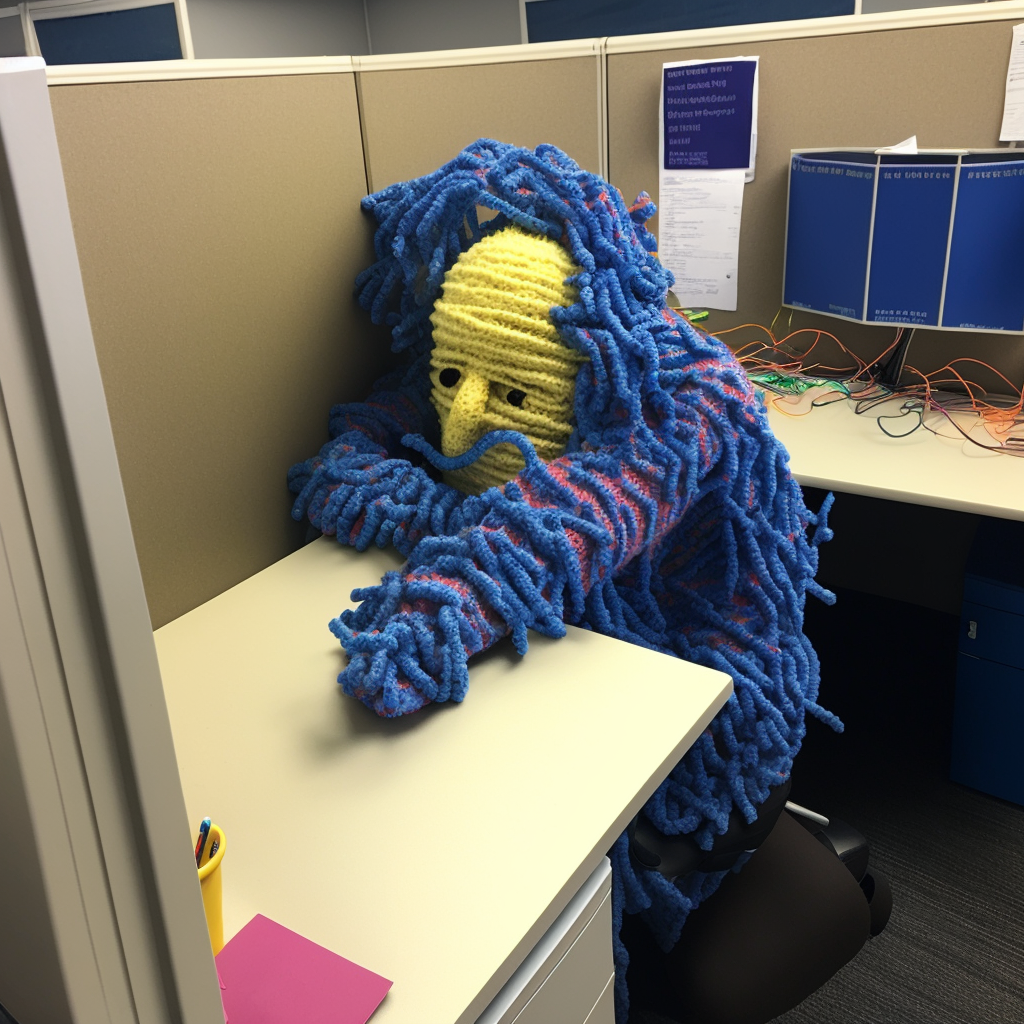
Autistic Employees Accommodations How Employers Can Better Accommodate and Support Autistic Employees in the Workplace Autism is a neurodevelopmental disorder that affects communication, social interaction, and behavior. According to the Centers for Disease Control and Prevention (CDC), one in 54 children in the United States is diagnosed with autism spectrum disorder (ASD). As these children grow up and enter the workforce, it is essential for employers to understand how to accommodate and support autistic employees. Understanding Autism in the Workplace Autistic individuals have unique strengths and challenges that can impact their performance in the workplace. Some of the strengths of autistic employees include attention to detail, strong memory, and the ability to focus on tasks for extended periods. However, autistic individuals may struggle with social interaction, communication, and sensory processing. Employers need to understand that autistic employees may require accommodations to perform their job duties effectively. Accommodations can include changes to the work environment, job duties, or work schedule. For example, an autistic employee may benefit from a quiet workspace, clear instructions, and a predictable routine. Autistic Employees Accommodations There are several accommodations that employers can make to support autistic employees in the workplace. These accommodations can improve job performance, reduce stress, and increase job satisfaction. Some of the accommodations include: Flexible work schedule: Autistic employees may benefit from a flexible work schedule that allows them to work during their most productive hours. Quiet workspace: Autistic employees may be sensitive to noise and benefit from a quiet workspace or noise-cancelling headphones. Clear instructions: Autistic employees may benefit from clear and concise instructions that are provided in writing. Visual aids: Autistic employees may benefit from visual aids such as diagrams, flowcharts, and pictures to help them understand complex tasks. Job coaching: Autistic employees may benefit from job coaching to help them learn new skills and adjust to the work environment. Task breakdown: Autistic employees may benefit from having complex tasks broken down into smaller, more manageable tasks. Training for Managers and Coworkers Employers should provide training for managers and coworkers to help them understand autism and how to support autistic employees. Training can include information on the strengths and challenges of autistic individuals, how to communicate effectively, and how to provide accommodations. Training can also help coworkers understand how to interact with autistic employees and reduce misunderstandings. Autistic Employees Accommodations: Conclusion Employers can better accommodate and support autistic employees in the workplace by understanding autism, providing accommodations, and providing training for managers and coworkers. Accommodations can improve job performance, reduce stress, and increase job satisfaction for autistic employees. Companies that have implemented programs to support autistic employees have seen positive results and can serve as examples for other companies to follow. By supporting autistic employees, companies can create a more inclusive and diverse workplace. Similar Articles
Managing Autistic Meltdowns: From Chaos to Calm

“From Chaos to Calm: Mastering Autistic Meltdown Recovery!” – A Journey towards Serenity!
Recognizing the Signs of an Autistic Meltdown

An autistic meltdown can be overwhelming and distressing for both the individual and those around them. Recognizing the signs of an impending meltdown can help prevent it from escalating. Common signs include increased anxiety, sensory overload, and difficulty communicating. It’s important to provide a safe and calming environment and offer support and understanding during and after the meltdown.