
Autism and Communication: Tips for Friends and Family to Foster Effective Interaction
Autism Spectrum Disorder (ASD) is a neurodevelopmental condition that affects communication and social interaction. Individuals with autism have unique communication styles and needs, which can include both verbal and non-verbal cues. Understanding these unique styles and needs is key to fostering effective interaction and building stronger, more understanding relationships. This article delves into the world of autism and communication, providing practical tips for friends and family to improve communication with their autistic loved ones. How Does Autism Affect Communication? Autism affects communication in various ways. Some individuals may have difficulty with verbal communication, including challenges with language development and the use of speech. Others may struggle with non-verbal communication, such as body language and eye contact. It’s important to note that every individual with autism is unique, and so are their communication abilities and styles. For instance, some autistic individuals might use language in unusual ways, such as using made-up words or repeating the same word over and over. This is a common characteristic known as echolalia. Others might have difficulty interpreting body language or non-verbal cues, which are crucial components of effective communication. How Does a Person with Autism Communicate? Communication in autism can be divided into two different domains: receptive communication and expressive communication. Receptive communication refers to how an individual understands and interprets language and non-verbal cues from others. Expressive communication, on the other hand, refers to how an individual uses language and non-verbal cues to express thoughts, feelings, and ideas. Non-verbal communication is common in individuals with ASD. This can include gestures, pictures or drawings, emotive sounds, and physically directing someone’s hand to an object they want. Some individuals might also use objects or pictures to communicate their needs or wants. Can Autistic People Communicate Well? Yes, autistic people can communicate effectively, although their communication styles might differ from what is typically expected. With the right support and understanding, autistic individuals can learn to express themselves in ways that work best for them. It’s important to remember that communication is not just about speech. Non-verbal cues, such as facial expressions, gestures, and body language, play a crucial role in communication. Autistic individuals might rely more heavily on these non-verbal forms of communication. Autism Communication Tips Here are some practical tips for friends and family to improve communication with their autistic loved ones: Patience is key: Autistic individuals might take longer to respond to verbal communication. Give them the time they need to process information and formulate a response. Use clear and concise language: Keep sentences short and straightforward. Avoid using idioms or slang that might be confusing. Respect their communication style: If they prefer to communicate non-verbally, respect that. Use pictures, drawings, or other visual aids to facilitate communication. Teach and use alternative communication methods: This can include sign language, picture exchange communication systems (PECS), or speech-generating devices. Encourage expression of interests: Autistic individuals often have specific interests they are passionate about. Encourage them to share these interests as a way of fostering communication. Provide a safe and supportive environment: Make sure they feel safe and supported in expressing themselves. This can help reduce anxiety and promote more effective communication. By understanding and accommodating the unique communication styles and needs of autistic individuals, we can foster more effective interaction and build stronger, more understanding relationships. Conclusion Understanding autism and communication is a journey of learning and empathy. By embracing the unique communication styles of autistic individuals and adapting our own communication strategies, we can foster more effective interaction and build stronger, more understanding relationships. It’s a journey that requires patience, empathy, and a willingness to learn. But the rewards — deeper connections, improved understanding, and stronger bonds — are well worth the effort. Remember, every autistic individual is unique. Their communication styles and needs may vary greatly. What works for one person might not work for another. The key is to keep an open mind, be patient, and always strive to understand and respect their unique ways of communicating. In the end, communication is about connection. And with understanding and support, we can help our autistic loved ones connect with the world in their own unique and beautiful ways. Join the Conversation We hope this article has provided valuable insights into autism and communication. But the journey doesn’t stop here. We invite you to join our community at Epic Autism. Share your experiences, ask questions, and learn from others who are walking the same path. What strategies have you found effective in communicating with your autistic loved ones? Do you have any experiences or tips you’d like to share? Are there any challenges you’re currently facing in this area? Please share your thoughts, experiences, and questions in the comments section below. Your insights could be the help that someone else needs. Let’s continue the conversation and learn from each other. Remember, you’re not alone on this journey. We’re all in this together. Let’s support each other and make a difference in the lives of our loved ones with autism. Join us in our mission to foster understanding, empathy, and effective communication. Together, we can make a difference. Similar Articles
How To Overcome Social Isolation: How Friends and Family Can Help Late-Diagnosed Autistic Adults Connect with Others
“Breaking down barriers and building meaningful connections for late-diagnosed autistic adults.” This article will discuss how to overcome social isolation, and how friends and family can help late-diagnosed autistic adults connect with others. Social isolation is a common issue for autistic adults, and it can have negative impacts on their mental health and overall well-being. However, with the support of loved ones, autistic adults can learn to navigate social situations and build meaningful relationships. The Importance of Understanding Late-Diagnosed Autism to Overcome Social Isolation As someone who was diagnosed with autism later in life, I know firsthand how difficult it can be to connect with others and overcome social isolation. It can feel like you’re on the outside looking in, unable to understand the social cues and unwritten rules that seem to come so naturally to everyone else. But the good news is that with the help of friends and family, it is possible to break through that isolation and build meaningful connections with others. Here are some tips for how loved ones can support late-diagnosed autistic adults in their journey towards social connection. Provide a Safe and Supportive Environment First and foremost, it’s important to understand that autism is a spectrum disorder, and each person’s experience with it is unique. Some autistic individuals may struggle with sensory processing, while others may have difficulty with social communication or executive functioning. By taking the time to learn about your loved one’s specific challenges and strengths, you can better support them in their efforts to connect with others. One of the biggest barriers to social connection for autistic adults is the fear of rejection or misunderstanding. Many of us have experienced negative social interactions in the past, and may be hesitant to put ourselves out there again. This is where friends and family can play a crucial role in providing a safe and supportive environment for socializing. For example, you might consider hosting a small gathering with a few close friends or family members, and letting your loved one know that they are welcome to attend without any pressure to socialize if they don’t feel comfortable. This can help to build confidence and reduce anxiety around social situations. Find Social Activities That Align With Interests Another way to support your loved one is by helping them to find social activities that align with their interests and strengths. For example, if they enjoy art or music, you might look for local classes or groups that focus on those areas. If they are passionate about a particular topic, you might suggest joining an online forum or community where they can connect with others who share their interests. Explore Online Communities to Overcome Social Isolation It’s also important to recognize that social connection doesn’t always have to happen in person. Many autistic adults find that online communities and social media platforms can be a valuable way to connect with others who understand their experiences. Encourage your loved one to explore these options and provide guidance on how to navigate these spaces safely and respectfully. Finally, it’s important to remember that building social connections takes time and effort. It’s not something that can happen overnight, and there may be setbacks along the way. But with patience, understanding, and support from friends and family, it is possible to overcome social isolation and build meaningful connections with others. Late-diagnosed autism can present unique challenges when it comes to social connection, but with the help of friends and family, it is possible to overcome these barriers. By providing a safe and supportive environment, helping to find social activities that align with their interests, and encouraging exploration of online communities, loved ones can play a crucial role in helping autistic adults build meaningful connections with others. Remember, social connection takes time and effort, but with patience and support, it is possible to break through the isolation and build a fulfilling social life. Strategies for Friends and Family to Support Late-Diagnosed Autistic Adults in Building Social Connections As a late-diagnosed autistic adult, I know firsthand how difficult it can be to connect with others. Social isolation can be a common experience for those on the autism spectrum, but it doesn’t have to be a permanent one. With the help of friends and family, it’s possible to overcome social isolation and build meaningful connections with others. Be Patient and Understanding One of the most important things that friends and family can do to support late-diagnosed autistic adults is to be patient and understanding. It can take time for us to feel comfortable in social situations, and we may need to take breaks or step back from socializing at times. It’s important for our loved ones to respect our boundaries and not push us too hard. Provide Opportunities for Socialization Another way that friends and family can help is by providing opportunities for socialization. This could mean inviting us to social events or gatherings, or even just suggesting activities that we can do together. It’s important to keep in mind that not all social situations will be comfortable for us, so it’s okay to start small and work our way up to larger gatherings. Be Mindful of Sensory Needs It’s also helpful for friends and family to be aware of our sensory needs. Many autistic individuals have sensory sensitivities that can make certain social situations overwhelming or uncomfortable. By being mindful of our needs and making accommodations when possible, our loved ones can help us feel more comfortable and at ease in social situations. Engage in Meaningful Conversations Communication is key when it comes to building social connections. Friends and family can help by being good listeners and engaging in meaningful conversations with us. It’s important to remember that autistic individuals may communicate differently than neurotypical individuals, so it’s important to be patient and open-minded. Find Social Groups or Communities Another way that friends and family can support us is by helping us find social groups or communities that align with our
Autistic Anxiety: Techniques for Helping Late-Diagnosed Autistic Adults Cope with Stressful Situations
“Empowering late-diagnosed autistic adults to conquer anxiety and thrive.” Autistic anxiety is a common experience for many late-diagnosed autistic adults. Coping with stressful situations can be challenging, but there are techniques that can help alleviate anxiety and improve overall well-being. In this article, we will explore some of these techniques and how they can be applied in daily life. Mindfulness Techniques for Autistic Anxiety in Late-Diagnosed Adults As an autistic adult, I know firsthand how overwhelming and stressful certain situations can be. Whether it’s a crowded room, a loud noise, or a change in routine, these triggers can cause intense anxiety and make it difficult to function. But over the years, I’ve learned some mindfulness techniques that have helped me cope with my autistic anxiety and navigate these situations with more ease. Deep Breathing One of the most effective techniques I’ve found is deep breathing. When I feel myself getting anxious, I take a few deep breaths and focus on the sensation of the air moving in and out of my body. This helps me slow down my racing thoughts and calm my nervous system. I also find it helpful to count my breaths, which gives me something to focus on and helps me stay present in the moment. Visualization Another technique that has been helpful for me is visualization. When I’m feeling anxious, I close my eyes and imagine myself in a peaceful, calming environment. This could be a beach, a forest, or any other place that makes me feel relaxed and at ease. I focus on the sights, sounds, and sensations of this environment, and allow myself to fully immerse in the experience. This helps me shift my focus away from my anxiety and into a more positive, calming state of mind. Mindfulness Mindfulness meditation is another technique that has been shown to be effective for reducing anxiety in autistic adults. This involves sitting quietly and focusing on your breath, while allowing your thoughts and emotions to come and go without judgment. This can be challenging at first, especially if you’re not used to sitting still and quieting your mind. But with practice, it can become a powerful tool for managing anxiety and improving overall well-being. Other Techniques for Autistic Anxiety In addition to these mindfulness techniques, there are also some practical strategies that can help autistic adults cope with anxiety in everyday life. One of these is creating a routine and sticking to it as much as possible. This can help reduce uncertainty and provide a sense of structure and predictability, which can be comforting for autistic individuals who thrive on routine. Another strategy is to avoid or minimize triggers as much as possible. This might mean avoiding crowded places, loud noises, or other stimuli that can cause anxiety. Of course, it’s not always possible to avoid these triggers completely, but being aware of them and taking steps to minimize their impact can be helpful. Finally, it’s important to remember that everyone’s experience with anxiety is different, and what works for one person may not work for another. It’s okay to experiment with different techniques and strategies until you find what works best for you. And if you’re struggling with anxiety, don’t hesitate to reach out for help. There are many resources available, including therapists, support groups, and online communities, that can provide guidance and support. Managing autistic anxiety can be challenging, but there are many mindfulness techniques and practical strategies that can help. By practicing deep breathing, visualization, mindfulness meditation, and other techniques, autistic adults can learn to cope with anxiety and navigate stressful situations with more ease. And by creating routines, avoiding triggers, and seeking support when needed, they can improve their overall well-being and quality of life. Cognitive Behavioral Therapy for Autistic Anxiety in Late-Diagnosed Adults It can be difficult for late-diagnosed adults with autistic anxiety to navigate social interactions, sensory overload, and unexpected changes in routine. These challenges can lead to anxiety, which can further exacerbate the difficulties of living with autism. However, there are techniques that can help autistic adults cope with anxiety and manage stressful situations. One effective approach is cognitive behavioral therapy (CBT). CBT is a type of therapy that focuses on changing negative thought patterns and behaviors. It can be particularly helpful for autistic adults with anxiety because it provides practical tools for managing stress and improving coping skills. Challenge Negative Thoughts One of the key components of CBT is identifying and challenging negative thoughts. Autistic adults with anxiety may have a tendency to catastrophize or assume the worst in situations. For example, if a social event is coming up, they may automatically assume that it will be a disaster and that they will embarrass themselves. These negative thoughts can lead to increased anxiety and avoidance of the situation. CBT teaches individuals to identify these negative thoughts and challenge them with evidence-based reasoning. For example, if an autistic adult is worried about a social event, they can ask themselves, “What evidence do I have that this event will be a disaster?” They may realize that they have attended similar events in the past and had a good time, or that they have supportive friends who will be there to help them through any difficulties. Develop Skills Another important aspect of CBT is developing coping skills. Autistic adults with anxiety may benefit from learning relaxation techniques, such as deep breathing or progressive muscle relaxation. These techniques can help reduce physical symptoms of anxiety, such as rapid heartbeat or sweating. CBT can also help individuals develop problem-solving skills. Autistic adults with anxiety may struggle with unexpected changes in routine or social situations that they are not prepared for. CBT can teach individuals how to break down a problem into smaller, manageable steps and come up with a plan for addressing it. This can help reduce anxiety and increase confidence in handling difficult situations. It is important to note that CBT is not a one-size-fits-all approach. Autistic adults with anxiety may
Autism Independent Living: Strategies for Helping Late-Diagnosed Autistic Adults Live on Their Own
Table of Contents Autism Independent Living: Introduction Navigating Social Situations and Building Relationships as an Autistic Adult Creating a Support Network for Autism Independent Living Finding and Maintaining Employment as an Autistic Adult Managing Finances and Budgeting for Autism Independent Living Developing Daily Living Skills for Autistic Adults Autism Independent Living: Conclusion Autism Independent Living: Introduction Autism Independent Living: Strategies for Helping Late-Diagnosed Autistic Adults Live on Their Own is an article that provides practical advice and strategies for individuals with autism who have been diagnosed later in life and are looking to live independently. The article covers a range of topics, including finding suitable housing, managing finances, developing social skills, and accessing support services. It is designed to help autistic individuals navigate the challenges of autism independent living and achieve greater autonomy and self-sufficiency. Navigating Social Situations and Building Relationships as an Autistic Adult As an autistic adult, navigating social situations and building relationships can be challenging. However, with the right strategies and support, it is possible to develop meaningful connections and lead a fulfilling life. One of the most important things to remember is that everyone has different social needs and preferences. Some autistic adults may prefer to socialize in small groups or one-on-one, while others may enjoy larger gatherings. It’s important to identify what works best for you and to communicate your needs to others. Another helpful strategy is to practice social skills in a safe and supportive environment. This could include joining a social skills group or attending a therapy session focused on social interaction. By practicing social skills in a controlled setting, you can build confidence and develop strategies for handling different social situations. It’s also important to be aware of your own sensory needs and how they may impact your social interactions. For example, if you are sensitive to loud noises, you may find it difficult to socialize in noisy environments. By identifying your sensory needs and communicating them to others, you can create a more comfortable and enjoyable social experience. Building relationships as an autistic adult can also be challenging, but it’s important to remember that meaningful connections can be formed in many different ways. Some autistic adults may prefer to connect with others who share their interests or hobbies, while others may find it easier to connect with people online. It’s also important to be open and honest about your autism diagnosis with potential friends and partners. This can help to avoid misunderstandings and ensure that your needs are understood and respected. Finally, it’s important to remember that building relationships takes time and effort. Don’t be discouraged if it takes longer to form connections than you would like. With patience and persistence, you can develop meaningful relationships that enrich your life. Navigating social situations and building relationships as an autistic adult can be challenging, but with the right strategies and support, it is possible to lead a fulfilling life. By identifying your social needs, practicing social skills, being aware of your sensory needs, and being open and honest about your diagnosis, you can develop meaningful connections and build a supportive network of friends and partners. Remember to be patient and persistent, and don’t be afraid to seek out support and resources when needed. Creating a Support Network for Autism Independent Living Living independently is a goal that many people strive for, but for late-diagnosed autistic adults, it can be a daunting task. However, with the right support network and strategies in place, it is possible to achieve this goal. Next, we will discuss some strategies for creating a support network for autism independent living. The first step in creating a support network is to identify the people who can help. This may include family members, friends, and professionals such as therapists or social workers. It is important to have a diverse group of people who can provide different types of support. Once you have identified your support network, it is important to communicate your needs and goals to them. This can be done through regular meetings or check-ins, where you can discuss your progress and any challenges you may be facing. It is also important to be open to feedback and suggestions from your support network, as they may have valuable insights and ideas. Another important aspect of creating a support network is to establish clear boundaries and expectations. This can include setting up a schedule for check-ins or outlining specific tasks or responsibilities for each member of the network. By establishing clear boundaries and expectations, everyone will know what is expected of them and there will be less confusion or misunderstandings. In addition to your support network, it is also important to develop your own skills and strategies for autism independent living. This may include learning how to manage your finances, cook healthy meals, or maintain a clean living space. There are many resources available online or through community organizations that can help you develop these skills. It is also important to prioritize self-care and mental health. Living independently can be stressful and overwhelming at times, so it is important to have strategies in place for managing stress and anxiety. This may include practicing mindfulness or meditation, engaging in regular exercise, or seeking support from a therapist or support group. Finally, it is important to celebrate your successes and acknowledge your progress. Living independently is a significant accomplishment, and it is important to recognize the hard work and dedication that went into achieving this goal. By celebrating your successes, you can build confidence and motivation to continue working towards your goals. Creating a support network for autism independent living is essential for late-diagnosed autistic adults. By identifying the people who can help, communicating your needs and goals, establishing clear boundaries and expectations, developing your own skills and strategies, prioritizing self-care and mental health, and celebrating your successes, you can achieve your goal of living independently. Remember, with the right support and strategies in place, anything is possible. Finding and Maintaining
Autism Social Event Support: How Friends and Family Can Help Late-Diagnosed Autistic Adults Navigate Social Situations

Table of Contents Introduction Understanding Autism: Tips for Autism Social Event Support Navigating Social Situations: A Guide for Late-Diagnosed Autistic Adults Building a Support System: How Friends and Family Can Help Autistic Adults Thrive in Social Settings Conclusion Autism Social Event Support: Introduction Autism Social Event Support is a crucial aspect of helping late-diagnosed autistic adults navigate social situations. Friends and family can play a significant role in providing support and understanding to individuals with autism, especially in social events. With the right autism social event support, autistic individuals can feel more comfortable and confident in social situations, leading to improved social skills and overall well-being. In this article, we will discuss how friends and family can help late-diagnosed autistic adults navigate social situations. Understanding Autism: Tips for Autism Social Event Support Autism is a neurodevelopmental disorder that affects communication, social interaction, and behavior. It is a spectrum disorder, which means that it affects individuals differently. Some people with autism may have difficulty with social situations, while others may have difficulty with communication or repetitive behaviors. Late-diagnosed autistic adults may have a harder time navigating social situations, but with the support of friends and family, they can learn to manage and enjoy social events. One of the most important things that friends and family can do to support late-diagnosed autistic adults is to understand their needs. Autistic individuals may have difficulty with sensory processing, which means that they may be sensitive to certain sounds, lights, or textures. They may also have difficulty with social cues, such as body language or tone of voice. By understanding these needs, friends and family can help create a comfortable and supportive environment for the autistic individual. Another way that friends and family can support late-diagnosed autistic adults is by helping them prepare for social events. This may include discussing the event beforehand, providing information about the venue or the people who will be attending, and helping the individual plan their outfit or transportation. By providing this support, friends and family can help reduce anxiety and increase confidence. During social events, friends and family can continue to provide support by being aware of the individual’s needs. This may include helping them navigate social interactions, such as introducing them to new people or helping them join a conversation. It may also include providing a quiet space for the individual to take a break if they become overwhelmed. By being attentive and supportive, friends and family can help the individual feel more comfortable and included in social situations. It is also important for friends and family to be patient and understanding. Autistic individuals may have difficulty with social situations, and it may take time for them to feel comfortable and confident. By being patient and understanding, friends and family can help the individual build their social skills and feel more confident in social situations. Finally, friends and family can support late-diagnosed autistic adults by encouraging them to participate in social events. While it may be tempting to avoid social situations that may be challenging, it is important for autistic individuals to have opportunities to practice their social skills and build relationships. By encouraging and supporting their participation in social events, friends and family can help the individual develop their social skills and feel more connected to their community. In conclusion, late-diagnosed autistic adults may have difficulty navigating social situations, but with the right autism social event support from friends and family, they can learn to manage and enjoy social events. By understanding their needs, helping them prepare, providing support during events, being patient and understanding, and encouraging their participation, friends and family can help autistic individuals build their social skills and feel more confident and connected in social situations. Navigating Social Situations: A Guide for Late-Diagnosed Autistic Adults Navigating social situations can be a challenge for anyone, but for late-diagnosed autistic adults, it can be particularly daunting. Autism is a neurodevelopmental disorder that affects communication, social interaction, and behavior. Many autistic adults are diagnosed later in life, which means they may have spent years struggling to understand why they feel different from others. One of the biggest challenges for late-diagnosed autistic adults is navigating social events. Parties, gatherings, and other social situations can be overwhelming and anxiety-inducing. However, with the right autism social event support from friends and family, autistic adults can learn to navigate these situations with greater ease. The first step in providing support is to understand the challenges that autistic adults face in social situations. Autistic adults may struggle with nonverbal communication, such as interpreting facial expressions and body language. They may also have difficulty with small talk and understanding social cues. Loud noises, bright lights, and crowded spaces can be overwhelming and cause sensory overload. To help autistic adults navigate social situations, it’s important to provide clear and direct communication. Avoid using sarcasm or indirect language, as this can be confusing. Instead, be straightforward and clear in your communication. If you’re planning a social event, provide as much information as possible in advance, such as the location, time, and expected dress code. It’s also important to be patient and understanding. Autistic adults may need more time to process information and may struggle with sudden changes in plans. If plans change, be sure to communicate this clearly and give the person time to adjust. Another way to support autistic adults in social situations is to provide a quiet space where they can take a break if needed. This could be a separate room or a quiet corner where they can go to recharge and decompress. If the event is particularly overwhelming, it may be helpful to have a designated “buddy” who can provide support and help the person navigate the event. Finally, it’s important to be inclusive and accepting of autistic adults. Avoid making assumptions or judgments based on their behavior or communication style. Instead, take the time to get to know them and understand their unique perspective. Celebrate their strengths and interests,
Creating an Autism Friendly Home Environment

Table of Contents Introduction Benefits of an Autism Friendly Home Environment for Late-Diagnosed Autistic Adults Importance of Communication and Collaboration in Creating an Autism Friendly Home Environment for Late-Diagnosed Autistic Adults Autism Friendly Home Modifications for Late-Diagnosed Autistic Adults Tips for Designing an Autism Friendly Home Environment for Late-Diagnosed Autistic Adults Conclusion “Designing an autism friendly home environment space that embraces sensory needs and promotes comfort for late-diagnosed autistic adults.” Introduction Creating an autism friendly home environment is crucial for late-diagnosed autistic adults. Sensory issues are common among autistic individuals, and they can be overwhelming and distressing. A sensory-friendly home can help reduce stress and anxiety, improve overall well-being, and promote independence. In this article, we will discuss some tips for creating a sensory-friendly home environment for late-diagnosed autistic adults. Benefits of an Autism Friendly Home Environment for Late-Diagnosed Autistic Adults As more and more adults are being diagnosed with autism later in life, it’s important to create a home environment that is autism friendly. A sensory-friendly home can help reduce stress and anxiety, improve communication, and increase overall well-being. One of the benefits of a sensory friendly home environment is that it can reduce stress and anxiety. For many autistic adults, sensory overload can be a major source of stress. Loud noises, bright lights, and strong smells can all be overwhelming and cause anxiety. By creating a home environment that is sensory-friendly, you can help reduce these stressors and create a more calming space. Another benefit of an autism friendly home environment is that it can improve communication. Many autistic adults struggle with communication, whether it’s verbal or nonverbal. By creating a home environment that is sensory-friendly, you can help improve communication by reducing distractions and creating a more comfortable space. This can make it easier for autistic adults to communicate with others and feel more connected to their surroundings. In addition to reducing stress and improving communication, an autism friendly home environment can also increase overall well-being. Many autistic adults struggle with sensory processing issues, which can make it difficult to feel comfortable in their surroundings. By creating a home environment that is sensory-friendly, you can help improve overall well-being by creating a space that is comfortable and calming. Creating an autism friendly home environment for late-diagnosed autistic adults can have many benefits, including reducing stress and anxiety, improving communication, and increasing overall well-being. By following these tips, you can create a space that is comfortable and calming for autistic adults. Importance of Communication and Collaboration in Creating an Autism Friendly Home Environment for Late-Diagnosed Autistic Adults As more and more adults are being diagnosed with autism later in life, it is important to create an autism friendly home environment that can help them feel comfortable and supported. However, creating such an environment can be challenging, especially if you are not familiar with the unique needs and preferences of autistic adults. That is why communication and collaboration are key when it comes to creating an autism friendly home environment for late-diagnosed autistic adults. First and foremost, it is important to communicate openly and honestly with the autistic adult in question. Ask them about their sensory preferences and sensitivities, and listen carefully to their answers. Some autistic adults may be hypersensitive to certain sounds, textures, or smells, while others may seek out certain sensory experiences to help them feel calm and focused. By understanding their unique sensory profile, you can make informed decisions about how to create a home environment that meets their needs. It is also important to collaborate with the autistic adult in designing their living space. This can involve everything from choosing furniture and decor to arranging the layout of the room. By involving the autistic adult in these decisions, you can ensure that their living space reflects their personal style and preferences, while also taking into account their sensory needs. Another important aspect of creating an autism friendly home environment is to minimize sensory overload. This can involve reducing clutter and visual distractions, as well as minimizing noise and other sensory input. For example, you may want to consider using blackout curtains to block out light and reduce visual stimulation, or using noise-cancelling headphones to reduce auditory input. By minimizing sensory overload, you can help the autistic adult feel more calm and focused in their living space. In addition to minimizing sensory overload, it is also important to provide sensory input that can help the autistic adult feel comfortable and supported. This can involve everything from providing soft blankets and pillows to creating a designated sensory space where the autistic adult can engage in activities that help them feel calm and focused. By providing sensory input that meets their needs, you can help the autistic adult feel more at home in their living space. Finally, it is important to be flexible and adaptable when it comes to creating an autism friendly home environment. As the autistic adult’s needs and preferences change over time, you may need to make adjustments to their living space to ensure that it continues to meet their needs. By staying open to feedback and willing to make changes as needed, you can create a living space that truly supports the autistic adult in question. In conclusion, creating an autism friendly home environment for late-diagnosed autistic adults requires communication and collaboration. By understanding their unique sensory profile, involving them in the design process, minimizing sensory overload, providing sensory input, and staying flexible and adaptable, you can create a living space that truly meets their needs and helps them feel comfortable and supported. With the right approach, creating an autism friendly home environment can be a rewarding and fulfilling experience for both the autistic adult and their loved ones. Autism Friendly Home Modifications for Late-Diagnosed Autistic Adults As more and more adults are being diagnosed with autism later in life, it’s important to create an autism friendly home environment that can help them feel comfortable and supported. Autism friendly modifications can make
Overcoming Autistic Adults Employment Challenges

What are some challenges autistic adults face when seeking and maintaining employment? Autism is a neurodevelopmental disorder that affects communication, social interaction, and behavior. According to the Centers for Disease Control and Prevention (CDC), one in 54 children in the United States is diagnosed with autism spectrum disorder (ASD). While there is no cure for autism, early intervention and therapy can help individuals with ASD lead fulfilling lives. However, as autistic individuals transition into adulthood, they face unique challenges when seeking and maintaining employment. In this article, we will explore some of the challenges autistic adults face in the workplace and discuss potential solutions. Challenges in Seeking Employment Difficulty with Social Interaction One of the primary challenges autistic adults face when seeking employment is difficulty with social interaction. Autistic individuals may struggle with nonverbal communication, such as maintaining eye contact or interpreting facial expressions. They may also have difficulty with small talk or understanding social cues. These challenges can make it difficult for autistic individuals to make a good first impression during job interviews or to build relationships with coworkers. Sensory Overload Another challenge autistic adults face when seeking employment is sensory overload. Many autistic individuals are hypersensitive to sensory stimuli, such as bright lights, loud noises, or strong smells. In a busy workplace, these stimuli can be overwhelming and cause anxiety or meltdowns. Autistic individuals may also struggle with open office plans or other workplace designs that do not provide enough sensory regulation. Difficulty with Executive Functioning Executive functioning refers to a set of cognitive skills that help individuals plan, organize, and complete tasks. Many autistic individuals struggle with executive functioning, which can make it difficult to stay on task or meet deadlines. They may also have difficulty with time management or prioritizing tasks. These challenges can make it difficult for autistic individuals to succeed in fast-paced or high-pressure work environments. Challenges in Maintaining Employment Difficulty with Communication Once autistic individuals are employed, they may face challenges in maintaining their employment. One of the primary challenges is difficulty with communication. Autistic individuals may struggle with workplace communication, such as understanding instructions or communicating their needs to coworkers or supervisors. They may also have difficulty with workplace culture, such as understanding office politics or navigating social hierarchies. Difficulty with Change Another challenge autistic adults face in maintaining employment is difficulty with change. Many autistic individuals thrive on routine and predictability, and unexpected changes in the workplace can be stressful or overwhelming. They may struggle with changes in job responsibilities, changes in management, or changes in workplace policies. These challenges can make it difficult for autistic individuals to adapt to new situations or to take on new challenges. Stigma and Discrimination Finally, autistic adults may face stigma and discrimination in the workplace. Many employers may not understand autism or may have misconceptions about what autistic individuals are capable of. Autistic individuals may also face discrimination in the hiring process or in the workplace, such as being passed over for promotions or being subjected to bullying or harassment. These challenges can make it difficult for autistic individuals to feel valued and supported in the workplace. Potential Solutions for Autistic Adults Employment Challenges While the challenges facing autistic adults in the workplace are significant, there are potential solutions that can help. Here are a few examples: Accommodations One of the most effective solutions for supporting autistic individuals in the workplace is to provide accommodations. Accommodations can include things like noise-cancelling headphones, flexible work schedules, or designated quiet spaces. By providing accommodations, employers can help autistic individuals regulate their sensory input and manage their executive functioning challenges. Education and Training Another solution is to provide education and training for employers and coworkers. By educating others about autism and its challenges, employers can create a more inclusive workplace culture. Training can include things like how to communicate effectively with autistic individuals, how to recognize and respond to sensory overload, or how to provide feedback in a way that is supportive and constructive. Advocacy and Support Finally, autistic individuals can benefit from advocacy and support. This can include things like mentorship programs, support groups, or access to resources and information. By providing support, autistic individuals can feel more confident and empowered in the workplace, which can lead to greater success and job satisfaction. Autistic Adults Employment Challenges: Conclusion Autistic adults face unique challenges when seeking and maintaining employment. These challenges include difficulty with social interaction, sensory overload, executive functioning, communication, change, and stigma and discrimination. However, by providing accommodations, education and training, and advocacy and support, employers can create a more inclusive and supportive workplace culture. By doing so, they can help autistic individuals succeed and thrive in the workplace. Similar Articles
Managing Autistic Meltdowns: From Chaos to Calm
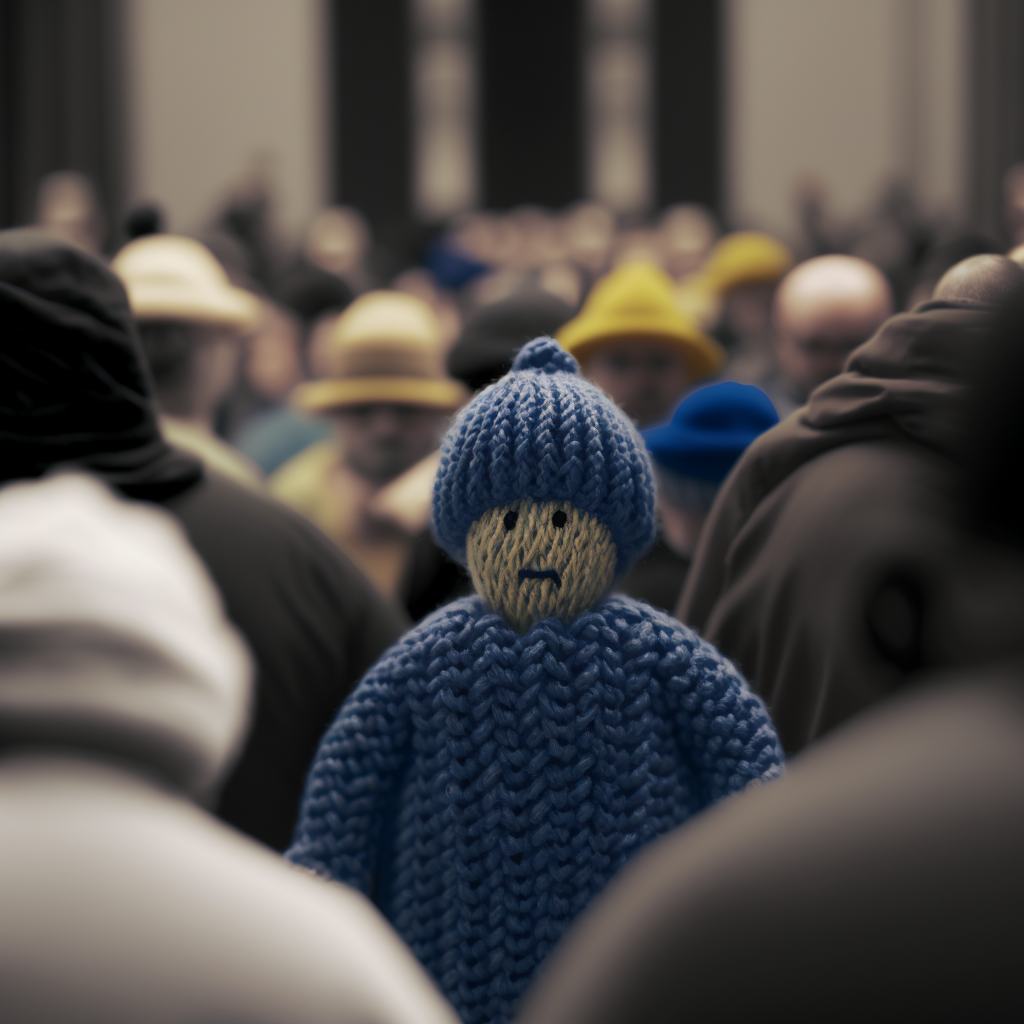
“From Chaos to Calm: Mastering Autistic Meltdown Recovery!” – A Journey towards Serenity!
Recognizing the Signs of an Autistic Meltdown

An autistic meltdown can be overwhelming and distressing for both the individual and those around them. Recognizing the signs of an impending meltdown can help prevent it from escalating. Common signs include increased anxiety, sensory overload, and difficulty communicating. It’s important to provide a safe and calming environment and offer support and understanding during and after the meltdown.
Autism Clothing Adjustments: Empowering Individuals for Comfort

Autistic individuals often have sensory sensitivities that can make wearing certain types of clothing uncomfortable or overwhelming. However, with some adjustments, clothing can be made more comfortable and accessible for individuals with autism. Here are some ideas for autistic clothing adjustment. DIY Autism Clothing Adjustments for Autistic Sensory Needs As a parent or caregiver of a child with autism, you may have noticed that clothing can be a source of discomfort and distress for them. Sensory issues can make it difficult for them to tolerate certain fabrics, tags, seams, and even the way clothes fit. Fortunately, there are some simple DIY autism clothing adjustments that can help make dressing a more comfortable and enjoyable experience for your child. One of the most common issues for autistic children is the feeling of tightness or constriction around the waist. This can be addressed by using elastic waistbands or drawstring closures instead of buttons or zippers. You can also try using pants with a higher rise or a looser fit to avoid any pressure on the stomach area. For girls, leggings or tights can be a great alternative to jeans or skirts, as they provide a snug fit without any discomfort. Another common issue is the feeling of seams or tags rubbing against the skin. You can easily remove tags from clothing using a pair of scissors or a seam ripper. For seams, you can try turning the clothing inside out and using a soft fabric tape to cover any rough edges. You can also try using seamless clothing, such as seamless socks or underwear, which can be found at many specialty stores. For children who are sensitive to certain fabrics, it’s important to choose clothing made from soft, breathable materials such as cotton or bamboo. Avoid synthetic fabrics like polyester or nylon, which can be scratchy and uncomfortable. You can also try washing new clothes several times before wearing them to help soften the fabric and remove any chemical residues. If your child is sensitive to the feeling of sleeves or pant legs bunching up, you can try using clothing with thumb holes or footies. These can help keep sleeves and pant legs in place, providing a more comfortable and secure fit. You can also try using clothing with adjustable cuffs or hems, which can be tightened or loosened as needed. Finally, it’s important to consider the overall fit of the clothing. Many autistic children prefer looser, more comfortable clothing that allows for freedom of movement. You can try using clothing with a relaxed fit or sizing up to provide more room. You can also try layering clothing, which can provide a sense of security and comfort. Overall, a simple DIY autism clothing adjustments that can help make dressing a more comfortable and enjoyable experience for autistic children. By choosing soft, breathable fabrics, removing tags and rough seams, and using adjustable closures and layering, you can help your child feel more comfortable and confident in their clothing. Remember to be patient and understanding, and to involve your child in the process as much as possible. With a little creativity and effort, you can help your child feel more comfortable and confident in their clothing. Tips for Choosing Clothing for Autistic Individuals Autism is a neurological disorder that affects communication, social interaction, and behavior. It is a spectrum disorder, which means that it affects individuals differently. One of the challenges that autistic individuals face is clothing adjustment. Clothing can be uncomfortable, itchy, or too tight, which can cause sensory overload and distress. However, there are ways to make clothing more comfortable and suitable for autistic individuals. Choose clothing that is comfortable and soft Autistic individuals may have sensory issues, which means that they are sensitive to certain textures, fabrics, and tags. Clothing made from natural fibers such as cotton, bamboo, or silk can be more comfortable and breathable than synthetic fabrics. It is also important to choose clothing that is loose-fitting and not too tight. Tight clothing can be restrictive and uncomfortable, which can cause anxiety and stress. Consider the design and style of clothing Autistic individuals may have preferences for certain colors, patterns, or designs. Some may prefer plain and simple clothing, while others may prefer bold and bright colors. Respecting their preferences and allowing them to express themselves through their clothing is important. Clothing with buttons, zippers, or snaps can be difficult for some autistic individuals to manage. Clothing with elastic waistbands or Velcro closures can be easier to put on and take off. Consider the weather and environment Autistic individuals may have difficulty regulating their body temperature, meaning they may feel too hot or cold. Clothing that is too warm or too cold can cause discomfort and distress. It is important to choose clothing that is appropriate for the weather and environment. Layers of clothing can be helpful, as they can be added or removed as needed. Involve the autistic individual in the clothing selection process Autistic individuals may have strong preferences and opinions about their clothing. It is important to listen to their feedback and involve them in decision-making. This can help them feel more comfortable and confident in their clothing. Be patient and understanding Autistic individuals may have difficulty with transitions and changes. It may take time for them to adjust to new clothing or styles. It is important to be patient and understanding and to provide support and encouragement. Positive reinforcement can be helpful, such as praising them for trying on new clothing or wearing a new outfit. In conclusion, choosing clothing for autistic individuals can be a challenge, but there are ways to make it more comfortable and suitable. It is important to choose comfortable and soft clothing, consider the design and style, consider the weather and environment, involve the autistic individual in the selection process, and be patient and understanding. By following these tips, autistic individuals can feel more comfortable and confident in their clothing, which can help them to navigate their daily lives