
Understanding Autism: Crucial Information for Friends and Family

Autism, or Autism Spectrum Disorder (ASD), is a complex, multifaceted condition that affects individuals in a variety of ways. For friends and family members of late-diagnosed autistic adults, understanding this condition can be a journey filled with learning, empathy, and growth. This article aims to provide a foundational understanding of autism, dispel common myths, and emphasize the importance of empathy and understanding in supporting autistic loved ones. What is Autism? Autism Spectrum Disorder (ASD) is a complex and lifelong condition that affects individuals in different ways. The symptoms of ASD can range from mild to severe and may include challenges with communication, social interaction, and behavior. People with ASD may struggle to understand social cues, have difficulty making eye contact, and may avoid social situations altogether. They may also engage in repetitive behaviors such as hand-flapping or rocking back and forth. One of the defining features of ASD is the wide variation in symptoms and severity. Some individuals may have mild symptoms and be able to live relatively independent lives, while others may require significant support and assistance throughout their lives. This variability has led to the term “spectrum” disorder, reflecting the fact that each person with ASD is unique and may experience the condition differently. Autism is not a disease that can be cured. It is simply a different way of experiencing the world. Many people with ASD have strengths and abilities that are different from neurotypical individuals. For example, some people with ASD may have a remarkable ability to remember details or excel in areas such as math or music. With the right support, people with ASD can lead fulfilling and meaningful lives and make valuable contributions to society. The Impact of Autism on Family and Friends Autism is a complex neurological disorder that affects social interaction, communication, and behavior. While it may be challenging for the individual who is diagnosed with autism, it can also be a challenging experience for their loved ones. Family members and friends may struggle to understand the changes and behaviors of their loved one, which can lead to frustration, confusion, and even guilt. The diagnosis of autism can be a significant turning point for families. It can be an overwhelming experience, but it is essential to remember that it is not the end of the world. It is a starting point in the journey towards understanding, acceptance, and support. It’s a time to learn more about autism and discover ways to help the individual live a fulfilling life. The journey towards understanding and adjusting to a loved one’s diagnosis of autism can be a long process. It takes patience, empathy, and a willingness to learn. Family members and friends must take the time to educate themselves about autism and its impact on the individual. They need to understand the individual’s needs, strengths, and challenges to provide the necessary support. It’s not unusual for loved ones to experience a range of emotions when their loved one is diagnosed with autism. The initial reaction may be shock, confusion, and even denial. However, as they learn more about autism, they may feel relief and gratitude for finally having an explanation for their loved one’s behavior. They may also feel guilty for not recognizing the signs earlier, which is a common feeling, but it’s essential to know that it’s not their fault. How to Behave with an Autistic Friend When interacting with an autistic friend, it’s essential to be patient, understanding, and respectful. Here are some tips: Respect their sensory needs: Autistic people may be hypersensitive or hyposensitive to sensory input. Respect their needs and comfort levels regarding noise, touch, and other stimuli. Communicate clearly: Be clear and direct in your communication. Avoid using idioms or sarcasm, which can be confusing. Respect their space: Autistic people may need more personal space than others. Always ask before initiating physical contact. Is it Hard for Autistic People to Have Friends? Autistic people can and do form meaningful relationships. However, they may face challenges in social situations due to differences in communication and social interaction. Misunderstandings can occur, but with patience, understanding, and clear communication, these can be overcome. How Can We Help Friends and Family with Autism? Supporting a loved one with autism involves understanding, acceptance, and advocacy. Here are some ways to help: Educate Yourself: Learn about autism and how it affects your loved one. Understanding their experiences can help you provide better support. Be Patient: Adjusting to a new diagnosis can take time. Be patient with your loved one and yourself as you navigate this new terrain. Advocate: Stand up for your loved one’s rights and inclusion in all areas of life. Dispelling Common Myths About Autism There are many misconceptions about autism. Here are a few common myths and the truths behind them: Myth: Autistic people don’t want to make friends. Truth: Autistic people can and do form meaningful relationships. They might interact differently, but that doesn’t mean they don’t value friendship. Myth: Autism is caused by bad parenting. Truth: Autism is a neurodevelopmental condition. It’s not caused by parenting styles or practices. Myth: Autistic people are all alike. Truth: Autism is a spectrum disorder, meaning it affects individuals differently. Each autistic person is unique. The Importance of Empathy and Understanding Autism Empathy and understanding are crucial when supporting an autistic loved one. By seeking to understand their experiences and showing empathy, you can help create an environment where they feel seen, accepted, and loved. At Epic Autism, we believe in the power of understanding and empathy. We strive to provide comprehensive, accessible information and practical strategies for individuals onthe autism spectrum, their families, and professionals. Our content is created by individuals on the spectrum, ensuring authentic, firsthand insights. Understanding Autism: Conclusion Understanding autism is a journey, but it’s a journey worth taking. Autism is a complex and multifaceted condition that affects individuals in different ways. For friends and family members of late-diagnosed autistic adults, understanding and acceptance can be a journey filled with
Understanding Sensory Processing Difficulties in Autism

What are some common sensory processing difficulties in autism experienced by autistic individuals? Autism Spectrum Disorder (ASD) is a neurodevelopmental disorder that affects communication, social interaction, and behavior. One of the most common symptoms of ASD is sensory processing difficulties. Sensory processing refers to the way the brain receives, interprets, and responds to sensory information from the environment. Autistic individuals may experience sensory processing difficulties in one or more of the senses, including touch, taste, smell, sight, and sound. In this article, we will explore some of the common sensory processing difficulties experienced by autistic individuals. Touch Many autistic individuals have difficulty processing touch sensations. They may be hypersensitive to touch, meaning that they are easily overwhelmed by certain textures or sensations. For example, they may find certain fabrics uncomfortable or painful to wear, or they may be averse to being touched by others. On the other hand, some autistic individuals may be hyposensitive to touch, meaning that they have a reduced sensitivity to touch sensations. They may seek out intense touch sensations, such as rubbing their hands on rough surfaces or pressing their bodies against walls. Taste and Smell Autistic individuals may also have difficulty processing taste and smell sensations. They may be hypersensitive to certain tastes or smells, which can make it difficult for them to eat a variety of foods. For example, they may be averse to strong flavors or smells, such as spicy foods or perfumes. On the other hand, some autistic individuals may be hyposensitive to taste and smell, meaning that they have a reduced sensitivity to these sensations. They may seek out intense flavors or smells, such as eating spicy foods or sniffing strong scents. Sight Autistic individuals may also have difficulty processing visual information. They may be hypersensitive to certain visual stimuli, such as bright lights or patterns, which can cause discomfort or even pain. They may also have difficulty filtering out irrelevant visual information, which can make it difficult for them to focus on important tasks. On the other hand, some autistic individuals may be hyposensitive to visual stimuli, meaning that they have a reduced sensitivity to these sensations. They may seek out intense visual stimuli, such as staring at bright lights or spinning objects. Sound Sound is one of the most common sensory processing difficulties experienced by autistic individuals. They may be hypersensitive to certain sounds, such as loud noises or high-pitched sounds, which can cause discomfort or even pain. They may also have difficulty filtering out background noise, which can make it difficult for them to focus on conversations or other tasks. On the other hand, some autistic individuals may be hyposensitive to sound, meaning that they have a reduced sensitivity to these sensations. They may seek out intense sounds, such as listening to music at high volumes or making loud noises themselves. Sensory Processing Difficulties in Autism: Conclusion Sensory processing difficulties are a common symptom of autism. Autistic individuals may experience hypersensitivity or hyposensitivity in one or more of the senses, including touch, taste, smell, sight, and sound. These difficulties can have a significant impact on their daily lives, making it difficult for them to engage in certain activities or interact with others. By understanding these difficulties, we can better support and accommodate autistic individuals in their daily lives. Similar Articles
Sensory Processing Issues in Autism: Strategies for Support

Sensory processing issues in autism can greatly impact an autistic person’s daily experiences. Sensory processing refers to the way our nervous system receives and interprets information from our senses. For individuals with autism spectrum disorder (ASD), sensory processing can be a significant challenge that affects their daily life. In this article, we will explore how sensory processing issues in autism affects an autistic person’s daily life. The Impact of Sensory Overload on Autistic Individuals Autism is a neurological disorder that affects an individual’s ability to communicate, socialize, and interact with others. One of the most common symptoms of autism is sensory processing difficulties. Sensory processing refers to the way our brain receives, interprets, and responds to sensory information from our environment. For autistic individuals, sensory processing can be overwhelming and can significantly impact their daily life. Sensory overload is a common experience for autistic individuals. This occurs when the brain receives too much sensory information at once, and it becomes difficult to process and filter out irrelevant information. For example, a loud noise in a crowded room can be overwhelming for an autistic person, making it difficult for them to focus on anything else. This can lead to anxiety, stress, and even physical discomfort. Sensory overload can occur in any environment, including at home, school, or in public places. Autistic individuals may struggle with sensory overload in situations that most people find comfortable, such as bright lights, strong smells, or loud noises. This can make it challenging for them to participate in everyday activities, such as going to the grocery store or attending a social event. Sensory processing issues in autism can also impact an autistic person’s ability to communicate effectively. For example, if an autistic person is overwhelmed by a loud noise, they may not be able to hear or understand what someone is saying to them. This can lead to misunderstandings and miscommunications, which can be frustrating for both the autistic person and the person they are communicating with. In addition to sensory overload, autistic individuals may also experience sensory underload. This occurs when the brain does not receive enough sensory information, leading to boredom and disengagement. For example, an autistic person may struggle to focus in a quiet classroom because there is not enough sensory stimulation to keep them engaged. Sensory processing difficulties can also impact an autistic person’s behavior. For example, an autistic person may engage in repetitive behaviors, such as rocking back and forth or flapping their hands, as a way to self-regulate and cope with sensory overload. They may also avoid certain activities or environments that they find overwhelming, which can limit their opportunities for socialization and learning. It is important to note that sensory processing issues are unique to each individual with autism. Some autistic individuals may be more sensitive to certain sensory stimuli, while others may be less sensitive. It is essential to understand an individual’s specific sensory needs and preferences to provide appropriate support and accommodations. In conclusion, sensory processing difficulties can significantly impact an autistic person’s daily life. Sensory overload and underload can lead to anxiety, stress, and communication difficulties. It is essential to understand an individual’s specific sensory needs and preferences to provide appropriate support and accommodations. By creating a sensory-friendly environment, we can help autistic individuals thrive and reach their full potential. The Connection Between Sensory Processing Issues in Autism and Social Interaction Autism is a complex neurodevelopmental disorder that affects an individual’s social interaction, communication, and behavior. One of the most common symptoms of autism is sensory processing difficulties. Sensory processing refers to the way our brain receives, interprets, and responds to sensory information from our environment. For individuals with autism, sensory processing can be overwhelming and can significantly impact their daily life. Sensory processing issues can manifest in different ways for different individuals with autism. Some may be hypersensitive to certain sensory stimuli, such as loud noises, bright lights, or certain textures. Others may be hyposensitive, meaning they have a reduced sensitivity to sensory stimuli and may seek out sensory input, such as spinning or rocking. These sensory processing difficulties can make it challenging for individuals with autism to engage in social interaction. Social interaction requires individuals to process and respond to a wide range of sensory information. For example, during a conversation, individuals need to process auditory information, such as the tone and volume of the speaker’s voice, as well as visual information, such as facial expressions and body language. Individuals with autism may struggle to process this information, leading to difficulties in social interaction. For example, an individual with autism who is hypersensitive to sound may find it challenging to engage in a conversation in a noisy environment. They may become overwhelmed by the background noise and struggle to focus on the conversation. Similarly, an individual who is hyposensitive to touch may struggle to understand personal space boundaries and may invade others’ personal space during social interaction. Sensory processing issues in autism can also impact an individual’s ability to regulate their emotions. For example, an individual who is hypersensitive to sensory stimuli may become easily overwhelmed and experience sensory overload, leading to emotional outbursts. On the other hand, an individual who is hyposensitive may seek out sensory input to regulate their emotions, such as spinning or rocking. It is essential to understand that sensory processing difficulties are not a choice or a behavior that can be controlled. They are a neurological difference that affects the way an individual’s brain processes sensory information. Therefore, it is crucial to provide support and accommodations to help individuals with autism navigate their sensory environment. One way to support individuals with autism is to provide a sensory-friendly environment. This may include reducing sensory stimuli, such as turning off fluorescent lights or providing noise-canceling headphones. It may also involve providing sensory input, such as a weighted blanket or fidget toys, to help regulate sensory input. Another way to support individuals with autism is to provide social skills training. Social
17 Common Asperger’s Misunderstandings: A Guide for Loved Ones

Correcting Asperger’s misunderstandings is important for loved ones of individuals with Asperger’s Syndrome, as it can help them to better understand and support the person they care about. Asperger’s is a form of autism that affects an individual’s ability to communicate and interact with others. While many people are becoming more aware of autism, there are still many misunderstandings surrounding Asperger’s Syndrome. Asperger’s Syndrome (AS) is a form of autism that affects an individual’s ability to communicate and interact with others. While many people are becoming more aware of autism, there are still many misunderstandings surrounding Asperger’s Syndrome. Understanding these misunderstandings is important for loved ones of individuals with AS, as it can help them to better understand and support the person they care about. Note: Asperger’s Syndrome is now considered a part of the autism spectrum and is no longer used as a separate diagnosis. While some individuals still identify with the term “Asperger’s” to describe their experiences, the term is not universally accepted due to varying diagnostic criteria, the overlap of symptoms between Asperger’s and other forms of autism, and the historical association of Hans Asperger with the Nazi regime. Here are 17 common misunderstandings about living with Asperger’s Syndrome that are helpful for people to know: 1. People with Asperger’s are cold and unemotional. Corrected View: People with Asperger’s Syndrome may have difficulty understanding and expressing emotions, but that does not mean they are cold or unemotional. They are capable of feeling and expressing emotions, just like anyone else. 2. People with Asperger’s Syndrome are socially awkward and have no friends. Corrected View: People with Asperger’s Syndrome may have difficulty with social interactions and communication, but that does not mean they are socially awkward or have no friends. They are capable of forming friendships and relationships, just like anyone else. 3. People with Asperger’s are often considered narcissists but they are not. Corrected View: People with Asperger’s Syndrome may have difficulty understanding social cues and interacting with others, which may lead to them being misunderstood as narcissistic. However, they do not have the same characteristics of a true narcissist. 4. People with Asperger’s are not capable of love or empathy. Corrected View: People with Asperger’s Syndrome are capable of love and empathy, just like anyone else. They may express it differently, but that does not mean they are incapable of feeling or understanding emotions. 5. People with Asperger’s are not capable of holding a job. Corrected View: People with Asperger’s Syndrome are capable of holding a job, just like anyone else. They may require accommodations and support in the workplace, but that does not mean they are not employable. 6. People with Asperger’s are not capable of change or improvement. Corrected View: People with Asperger’s Syndrome are capable of change and improvement, just like anyone else. With the right support and interventions, they can learn new skills and improve their functioning. 7. People with Asperger’s are not capable of understanding social cues. Corrected View: People with Asperger’s Syndrome may have difficulty understanding social cues, but that does not mean they are incapable of understanding them. With the right support and interventions, they can learn to understand and navigate social situations. 8. People with Asperger’s are not capable of understanding humor. Corrected View: People with Asperger’s Syndrome may have difficulty understanding humor, but that does not mean they are incapable of understanding it. With the right support and interventions, they can learn to understand and appreciate humor. 9. People with Asperger’s are not capable of expressing themselves creatively. Corrected View: People with Asperger’s Syndrome are capable of expressing themselves creatively, just like anyone else. They may have difficulty with certain forms of expression, but that does not mean they are not capable of being creative. 10. People with Asperger’s are not capable of understanding art or music. Corrected View: People with Asperger’s Syndrome are capable of understanding and appreciating art and music, just like anyone else. They may have difficulty with certain forms of expression, but that does not mean they are not capable of understanding or enjoying it. 11. People with Asperger’s are not capable of feeling pleasure. Corrected View: People with Asperger’s Syndrome are capable of feeling pleasure, just like anyone else. They may have difficulty understanding and expressing emotions, but that does not mean they are not capable of experiencing pleasure. 12. People with Asperger’s are not capable of experiencing joy. Corrected View: People with Asperger’s Syndrome are capable of experiencing joy, just like anyone else. They may have difficulty understanding and expressing emotions, but that does not mean they are not capable of experiencing joy. 13. People with Asperger’s are not capable of understanding figurative language. Corrected View: People with Asperger’s Syndrome may have difficulty understanding figurative language, but that does not mean they are not capable of understanding it. With the right support and interventions, they can learn to understand figurative language. 14. People with Asperger’s are not capable of understanding body language. Corrected View: People with Asperger’s Syndrome may have difficulty understanding body language, but that does not mean they are not capable of understanding it. With the right support and interventions, they can learn to understand body language. 15. People with Asperger’s are not capable of understanding nonverbal communication. Corrected View: People with Asperger’s Syndrome may have difficulty understanding nonverbal communication, but that does not mean they are not capable of understanding it. With the right support and interventions, they can learn to understand nonverbal communication. 16. People with Asperger’s are not capable of understanding sarcasm. Corrected View: People with Asperger’s Syndrome may have difficulty understanding sarcasm, but that does not mean they are not capable of understanding it. With the right support and interventions, they can learn to understand sarcasm. 17. People with Asperger’s are not capable of understanding idioms. Corrected View: People with Asperger’s Syndrome may have difficulty understanding idioms, but that does not mean they are not capable of understanding it. With the right support and interventions,
Am I on the Autism Spectrum? Tips and Resources for Self-Discovery

Have you ever thought, “Am I on the autism spectrum?” Many people may not realize that they are on the autism spectrum until later in life. Some may have grown up thinking that their social difficulties or sensory sensitivities were just part of their personality. Others may have been misdiagnosed with other conditions such as ADHD or depression. If you suspect that you may be on the autism spectrum, it’s important to explore this possibility and seek professional help. Here are some tips and resources that can help you on your journey of self-discovery: Exploring the possibility of being on the autism spectrum can be a challenging and emotional process, but it is also an opportunity to understand yourself better and to gain access to the support and services that can help you to live your best life. Remember to take your time and seek professional help. And most importantly, don’t be afraid to reach out and talk to others, you are not alone on this journey. Similar Articles
Loving Someone with Autism: A Brief Guide
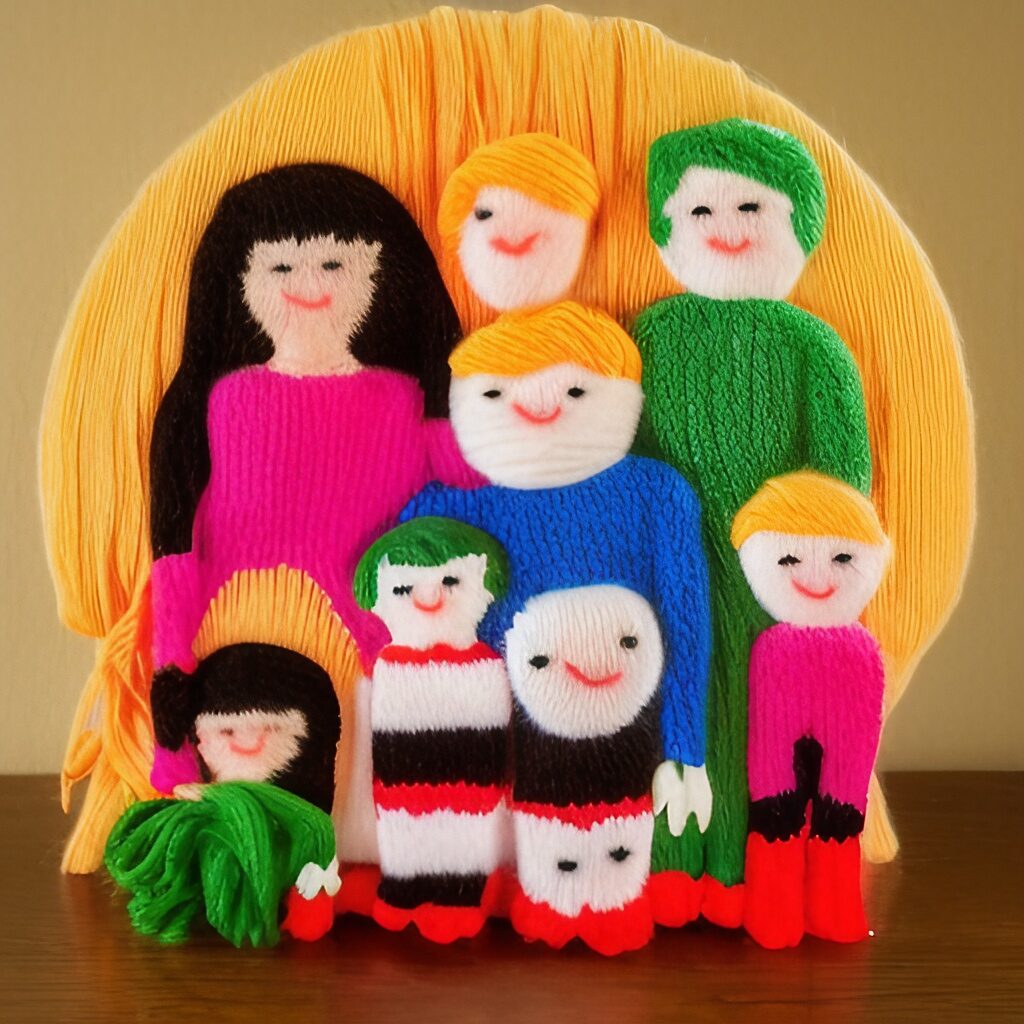
Loving someone with autism can be a unique and rewarding experience, but it can also present its own set of challenges. Understanding and accepting the person for who they are, is the first and most important step in building a healthy and loving relationship. Here are some tips to keep in mind when loving someone on the autism spectrum: In summary, loving someone with autism can be a unique and rewarding experience. The most important thing to remember is to understand and accept them for who they are, communicate effectively, be patient, create a predictable routine and be supportive. Remember that each person on the spectrum is unique and it’s important to work together to find what works best for you and your loved one. Similar Articles
ASD Diagnosis in Adulthood: Understanding the Unexpected Realities

Autism Spectrum Disorder (ASD) is a neurodevelopmental condition that affects social interaction, communication, and behavior. Although autism is typically diagnosed in childhood, many individuals with autism do not receive a diagnosis until adulthood, and those unexpected realities can be difficult to navigate. Understanding the unique challenges faced by adults with autism who have received an ASD diagnosis in adulthood can help improve their quality of life. Social Interactions One of the unexpected realities of life with adult autism is difficulty with social interactions. Many individuals with autism have difficulty understanding and interpreting social cues, which can make it difficult to initiate and maintain relationships. They may also have difficulty understanding sarcasm and irony, which can lead to confusion and misunderstandings. Adults with autism may also have difficulty making and keeping friends, which can lead to feelings of isolation and loneliness. Communication Another unexpected reality of life with adult autism is difficulty with communication. Many individuals with autism have difficulty with verbal and nonverbal expression, which can make it difficult to convey thoughts and emotions. They may also have difficulty understanding idiomatic expressions and figurative language, which can lead to confusion. Adults with autism may also be more comfortable communicating through written or typed language than spoken language, which can make it difficult to communicate in certain settings. Repetitive or Restrictive Behaviors Repetitive or restrictive behaviors are also common in individuals with autism and can be unexpected to those around them. These behaviors may include a need for sameness and routine, difficulty with changes in routine, intense interests in specific topics, repetitive movements or self-stimulatory behaviors, and difficulty with transitions or changes in the environment. This can be challenging for those with autism themselves and for people around them as well. Sensory Processing Sensory processing can also be a challenge for adults with autism. They may have a heightened or decreased sensitivity to certain sensory inputs, such as sound, light, or touch. This can make it difficult to filter out background noise and distractions, which can make it difficult to focus or be in certain environments. Adults with autism may also have difficulty with fine motor skills, which can make it difficult to perform certain tasks. Professional and Personal Life Challenges Adults with autism may also experience unexpected challenges in their professional and personal lives. They may have difficulty finding and keeping employment, which can lead to financial difficulties. They may also have difficulty with independent living skills, such as cooking and cleaning, which can make it difficult to live independently. Treatment for Adult Autism Treatment for adult autism can include therapy, counseling, and medication. Behavioral therapy can help individuals with autism learn social skills and coping mechanisms for dealing with the unexpected realities of life with autism. Counseling can help individuals with autism understand and manage their emotions, and medication can help individuals with autism manage symptoms such as anxiety and depression. ASD Diagnosis in Adulthood: Conclusion In conclusion, receiving an ASD diagnosis in adulthood can present unexpected challenges. However, with the right support, resources, and understanding, individuals with adult autism can lead fulfilling and meaningful lives. It’s important to seek professional evaluation as early as possible and continue to provide support and resources throughout adulthood. This can include therapy, counseling, support groups, and community programs specifically designed for adults with autism. Education and awareness about ASD can help reduce stigma and discrimination, and make it easier for individuals to access the resources they need. If you suspect you or someone you know may have autism, seek evaluation and support to ensure the best possible outcomes for individuals with an ASD diagnosis in adulthood. It’s important to note that early detection and intervention can make a significant difference in the lives of individuals with autism. If you suspect that you or someone you know may have autism, it’s important to seek a professional evaluation as early as possible. A qualified professional such as a developmental pediatrician, a psychologist, or a neurologist can provide a formal assessment and make recommendations for treatment and support. Furthermore, it is also important to understand that autism is a lifelong condition, and that support and resources should be continued throughout adulthood. This can include therapy and counseling, as well as support groups and community programs specifically designed for adults with autism. Additionally, education and awareness about autism can help to reduce the stigma and discrimination that individuals with autism may face, and make it easier for them to access the resources and support they need. In summary, the unexpected realities of life with adult autism can be challenging, but with the right support, understanding, and resources, adults with autism can lead fulfilling and meaningful lives. It’s important to seek professional evaluation, and to continue to provide support and resources throughout adulthood, to ensure the best possible outcome for individuals with autism. Similar Articles
10 Common Autism Stims: Understanding Self-Stimulatory Behavior

Common Autism Stims: Understanding Stimming Behaviors Stimming, short for self-stimulatory behavior, is a term used to describe repetitive actions or movements that some individuals with autism engage in. These behaviors, known as common autism stims, can include hand flapping, rocking, spinning, fidgeting, repeating sounds or phrases, and many other forms of repetitive behavior. There are a number of reasons why individuals with autism may engage in stimming. Some of the most common reasons include: Sensory regulationMany individuals with autism have heightened or decreased sensitivity to certain sensory inputs, such as sound, light, or touch. Stimming can help them regulate their sensory input, and make them feel more comfortable in certain environments. Emotional regulationStimming can also be a way for individuals with autism to regulate their emotions. Repetitive behaviors can help them to feel more calm, relaxed, or happy. CommunicationFor some individuals with autism, stimming can be a form of communication. For example, they may use certain stims to express excitement, happiness, or frustration. BoredomSometimes, stimming can be a way to alleviate boredom or pass the time. ExplorationSome individuals with autism may stim as a way to explore and understand the world around them. It’s important to note that stimming is not necessarily problematic, and it can be a natural and normal part of the autism spectrum. However, in some cases, stimming can be disruptive or dangerous, and it may be necessary to work with a therapist or other professional to help modify the behavior. It’s also important to note that everyone with autism is different, and every person with autism has unique experiences, challenges, and strengths. Some people with autism may not engage in any form of stimming, while others may have a variety of stims. It’s important to understand that stimming is a normal and natural part of autism, and it should be respected and understood. 10 Common Stims Hand flapping or wavingSome individuals with autism may engage in repetitive hand movements, such as flapping or waving their hands. Rocking or swayingSome individuals with autism may engage in repetitive rocking or swaying movements, either while seated or standing. Body spinning or twirlingSome individuals with autism may engage in spinning or twirling their body, either in a seated or standing position. Finger flicking or tappingSome individuals with autism may engage in repetitive finger movements, such as flicking or tapping their fingers. Object spinning or twirlingSome individuals with autism may engage in repetitive spinning or twirling of objects, such as a pen or toy. Fidgeting with clothes or accessoriesSome individuals with autism may engage in repetitive fidgeting with clothes or accessories, such as pulling at a shirt or twirling a necklace. Repetitive noisesSome individuals with autism may engage in repetitive vocalizations, such as humming or repeating words or phrases. Repetitive facial expressionsSome individuals with autism may engage in repetitive facial expressions, such as blinking or grimacing. Repetitive movements with toys or other objectsSome individuals with autism may engage in repetitive movements with toys or other objects, such as lining up cars or spinning a top. Repetitive walking or pacingSome individuals with autism may engage in repetitive walking or pacing, either in a specific area or back and forth. It’s important to remember that everyone with autism is different, and every person with autism has unique experiences, challenges, and strengths. Some people with autism may not engage in any form of stimming, while others may have a variety of stims. Also, stimming is not always seen as problematic and it can be a way for some people to regulate their emotions and self-soothe. It’s important to understand that stimming is a normal and natural part of autism, and it should be respected and understood. Understanding and Supporting Individuals Who Engage in Common Autism Stims For individuals with autism, stimming can be a way to self-regulate and cope with sensory and emotional challenges. As a friend, family member, or caregiver, it’s important to understand and support individuals who engage in common autism stims. The first step in understanding and supporting individuals who engage in common autism stims is to recognize the purpose of the stim. As mentioned earlier, stims can serve a variety of functions, including sensory regulation, emotional regulation, communication, boredom relief, and exploration. By understanding the function of the stim, you can better understand the individual’s needs and provide appropriate support. It’s also important to recognize that stims are not necessarily problematic, and they should not be discouraged or punished. Instead, it’s important to create a safe and supportive environment where the individual can engage in their stims without judgment or criticism. When supporting an individual who engages in common autism stims, it’s important to recognize their individual preferences and needs. For example, some individuals may prefer to engage in their stims in private, while others may prefer to engage in their stims in social situations. It’s important to respect the individual’s preferences and provide opportunities for them to engage in their stims in a way that feels comfortable for them. In addition, it’s important to recognize that stimming behaviors may change over time. An individual may develop new stims, stop engaging in certain stims, or modify their stims as they grow and develop. It’s important to be flexible and responsive to these changes and provide support as needed. Finally, it’s important to seek support and guidance from professionals when necessary. If an individual’s stims are disruptive or dangerous, it may be necessary to work with a therapist or other professional to develop strategies for modifying the behavior. It’s important to involve the individual in this process and provide support and understanding throughout. In conclusion, understanding and supporting individuals who engage in common autism stims is an important aspect of providing appropriate care and support for individuals with autism. By recognizing the purpose of the stim, respecting the individual’s preferences and needs, being flexible and responsive to changes, and seeking support when necessary, you can help individuals with autism feel safe, supported, and understood. Do you or someone you know
ASD Signs and Symptoms Unraveled: 13 Ways Autism Can Manifest

Autism Spectrum Disorder (ASD) is a complex neurological condition characterized by various signs and symptoms that affect social interaction, communication, and behavior. Understanding the diverse ways in which ASD signs and symptoms can manifest is crucial for recognizing and diagnosing autism. Although autism is typically associated with certain stereotypical symptoms, such as difficulty with social interaction and repetitive behaviors, the reality is that ASD signs and symptoms are highly variable and can present in many different ways. For many people with autism, the journey to diagnosis can be long and confusing, as they may experience a wide range of unexpected symptoms that can be difficult to understand and explain. This article aims to shed light on some of the lesser-known symptoms of autism that individuals may experience, and provide insight into the complexities of this condition. 13 ASD Signs and Symptoms Difficulty with social interactionThis can include difficulty with initiating and maintaining conversations, difficulty understanding social cues, and difficulty with nonverbal communication. Difficulty with communicationThis can include difficulty with verbal or nonverbal expression of thoughts and emotions, difficulty understanding idiomatic expressions or figurative language, and difficulty with conversation skills such as taking turns or understanding the topic of conversation. Repetitive or restrictive behaviorsThis can include a need for sameness and routine, difficulty with changes in routine, intense interests in specific topics, repetitive movements or self-stimulatory behaviors, and difficulty with transitions or changes in the environment. Sensory processing difficultiesThis can include heightened or decreased sensitivity to certain sensory inputs, such as sound, light, or touch, difficulty filtering out background noise or distractions, and difficulty with fine motor skills. Executive dysfunctionThis can include difficulty with planning, organization, and completing tasks, difficulty with time management, and difficulty with decision-making. Anxiety and depressionMany individuals with autism may also experience symptoms of anxiety and depression, such as feelings of sadness, hopelessness, and worry. Cognitive difficultiesSome people with autism may experience cognitive difficulties such as difficulty with memory, attention, and problem-solving. Difficulty with self-careIndividuals with autism may have difficulty with self-care, such as hygiene and grooming, or difficulty with daily living skills such as cooking and cleaning. Odd movements or mannerismsSome individuals with autism may have unique movements or mannerisms, such as flapping their hands or rocking back and forth. Physical difficultiesSome individuals with autism may have physical difficulties such as coordination issues, muscle weakness, or sensory processing difficulties. Mood swings or emotional dysregulationIndividuals with autism may have difficulty understanding and regulating their emotions, resulting in sudden changes in mood or intense emotional reactions. Unique interestsMany individuals with autism may have unique interests that they pursue with great intensity, and they may have difficulty understanding or engaging with other people’s interests. Difficulty with attention and focusSome individuals with autism may have difficulty with attention and focus, which can make it difficult to complete tasks or engage in conversation. It’s important to note that everyone with autism is different, and every person with autism has unique experiences, challenges, and strengths. Some people with autism may not experience all of these symptoms, while others may experience different symptoms. If you or someone you know is experiencing any of these symptoms, it may be beneficial to consult with a qualified professional such as a developmental pediatrician, a psychologist, or a neurologist for a complete evaluation and diagnosis. We hope this article has shed light on the complexities of ASD signs and symptoms and provided valuable insight into the unique experiences of individuals with autism. Have you or a loved one experienced any of these symptoms? We invite you to share your thoughts and experiences in the comments below. If you found this article helpful, please consider sharing it with others who may benefit from this information. Together, we can continue to learn and support those on the autism spectrum. Similar Articles
30 Common Questions About Autism Answered: An FAQ Guide

Are you looking for answers to common questions about autism? You’re not alone. Navigating the world of Autism Spectrum Disorder can be overwhelming, and it’s normal to have many common questions about autism spectrum disorder. This FAQ page is designed to provide answers to some of the most frequently asked and common questions about Autism Spectrum Disorder (ASD). From understanding the signs and symptoms to learning about the different types of therapy and support available, this page aims to provide valuable information and resources for anyone who is looking to better understand and support individuals with ASD. Whether you are a parent, a friend, a family member, or a professional working with individuals with ASD, this FAQ page can help you to gain a deeper understanding of the condition and to provide the best possible support to those you care about. 30 Common Questions About Autism: Q: Is Asperger’s the same thing as autism? A: Yes. Asperger’s syndrome used to be considered a separate diagnosis from autism, but it is now classified as part of the autism spectrum disorder (ASD). While some individuals still identify with the term “Asperger’s” to describe their experiences, the term is not universally accepted due to varying diagnostic criteria, the overlap of symptoms between Asperger’s and other forms of autism, and the historical association of Hans Asperger with the Nazi regime. Q: Are people with Asperger’s intelligent? A: Yes, individuals with Asperger’s can have a wide range of intelligence levels, just like any other group of people. While some people with ASD may have challenges with certain areas of cognitive function, such as executive functioning, memory, or attention, many individuals with ASD have above-average intelligence. Q: Do people with Asperger’s have no emotions? A: No, individuals with Asperger’s can have emotions just like anyone else. They may have difficulty expressing or understanding emotions, but they do experience them. In fact, some individuals with ASD may experience emotions more intensely than neurotypical individuals. Q: Is Asperger’s a new condition? A: No, the condition was first described by Hans Asperger in the 1940s, but it wasn’t officially recognized as a diagnosis until the 1990s. Asperger’s is no longer considered a separate diagnosis and is now encompassed within the broader umbrella term of Autism Spectrum Disorder (ASD). Q: Can people with Asperger’s ever be “cured”? A: There is no “cure” for Asperger’s or any other condition on the autism spectrum. However, with appropriate support and therapy, individuals with Asperger’s can learn to manage their symptoms and lead successful lives. Early intervention and ongoing support are key to helping individuals with ASD achieve their full potential. Q: Are people with Asperger’s violent or dangerous? A: No, individuals with Asperger’s are no more likely to be violent or dangerous than anyone else. In fact, research suggests that individuals with ASD are more likely to be the victims of violence than the perpetrators. Q: Are people with Asperger’s socially awkward and don’t want to interact with others? A: Some individuals with Asperger’s may have difficulty with social interaction, but they still want to connect with others. They may benefit from support and therapy to help them improve their social skills. It’s important to note that every person with ASD is different, and some individuals may be more social or outgoing than others. Q: Is Asperger’s a rare condition? A: No, Asperger’s is considered to be relatively common, with an estimated prevalence of 1 in 68 individuals in the United States. However, the prevalence of ASD as a whole has been increasing in recent years. Q: Is Asperger’s only diagnosed in children? A: No, Asperger’s can be diagnosed at any age, although it is often not recognized until later in childhood or adulthood. Some individuals with ASD may not receive a diagnosis until they are well into their adult years. Q: Is Asperger’s only diagnosed in males? A: No, Asperger’s can affect males and females in equal numbers, although it may be underdiagnosed in females. Research suggests that females with ASD may be better at masking their symptoms and may therefore be less likely to receive a diagnosis. Q: Can people with Asperger’s have successful careers? A: Yes, with appropriate support and accommodations, individuals with Asperger’s can be successful in a wide range of careers. Many individuals with ASD have unique strengths and talents that can make them valuable assets to any organization. Q: Is Asperger’s caused by bad parenting? A: No, Asperger’s is a neurodevelopmental disorder that is believed to have a genetic basis. It’s important to understand that Asperger’s is not caused by bad parenting, neglect, or abuse. However, certain environmental factors, such as prenatal or perinatal complications, may increase the risk of developing Asperger’s. Q: Can people with Asperger’s have normal relationships? A: Yes, with appropriate support and therapy, individuals with Asperger’s can have healthy and fulfilling relationships. However, they may struggle with certain aspects of social interaction, such as nonverbal communication, understanding social cues, and expressing emotions. It’s important to note that every individual with Asperger’s is different and may have different challenges and strengths when it comes to relationships. Q: Are people with Asperger’s always highly skilled in certain areas? A: Some individuals with Asperger’s may have intense interests or talents in certain areas, but not all individuals with Asperger’s will have this characteristic. It’s important to understand that individuals with Asperger’s have a wide range of interests and abilities, just like anyone else. Some may have a particular talent or area of interest, while others may not. Q: Are people with Asperger’s only interested in solitary activities? A: No, individuals with Asperger’s can have a wide range of interests and hobbies, both solitary and social. While some individuals with Asperger’s may prefer solitary activities, others may enjoy social activities but struggle with social interaction. It’s important to understand that each individual with Asperger’s is unique and may have different preferences when it comes to activities and hobbies. Q: Can people with Asperger’s live independently? A: