
The Complete Guide to Autism Spectrum Disorder

✦ Updated April 2026 — The Definitive Resource The Complete Guide to Autism Spectrum Disorder in 2026 Statistics, late diagnosis, autistic burnout, nervous system regulation, sensory strategies, and real community support — written from inside the spectrum, not outside it. 📋 Comprehensive Resource 🔬 2025 CDC Data ❤️ Written From the Spectrum 🔗 Full Site Directory 📖 What’s In This Guide 1What Is Autism? The Full Picture 2Autism Statistics 2026 3Symptoms of the Spectrum 4Late Diagnosis: Why It Happens 5Autistic Burnout & Nervous System 6Sensory Processing & Overload 7Strategies & Techniques 8Autism & Mental Health 9Relationships & Social Life 10Employment & Workplace 11For Friends & Family 12Our Original Conclusions Section 1 What Is Autism Spectrum Disorder? The Full Picture Autism Spectrum Disorder (ASD) is a complex neurodevelopmental condition that affects how a person communicates, processes sensory information, navigates social environments, and experiences the world. It is called a “spectrum” because no two autistic people are alike — the range of presentation, challenge, and strength is vast. At Epic Autism, we believe the most important thing to understand about ASD from the outset is this: autism is not a flaw in the human operating system. It is a different operating system. One that comes with its own strengths, processing styles, and needs — many of which go unrecognized, unsupported, and unnamed for far too long. Autism was first formally described by Austrian pediatrician Hans Asperger in 1944 and American psychiatrist Leo Kanner in 1943. For decades, the diagnostic criteria were narrow, focused primarily on severe presentations in young boys. This left an enormous population — adults, women, people of color, and high-functioning individuals — undiagnosed and without the language to understand themselves. In 2013, the DSM-5 consolidated several previously separate diagnoses — autistic disorder, Asperger’s disorder, and Pervasive Developmental Disorder-Not Otherwise Specified (PDD-NOS) — into a single unified diagnosis: Autism Spectrum Disorder. This was a significant shift that broadened who could receive a diagnosis, but also created new confusion for those who had previously identified with the Asperger’s label. A Note on Language At Epic Autism, we respect individual language preferences. Many in the autistic community prefer identity-first language (“autistic person”) over person-first language (“person with autism”), as they see autism as integral to their identity — not separate from it. Both are used throughout this guide out of respect for the full community. Understanding ASD means understanding that it manifests differently across genders, ages, cultures, and neurological profiles. It means recognizing that the autistic person who excels at pattern recognition and deep focus may also struggle to make a phone call. That the adult who “seems fine” in public may be spending every ounce of energy masking, and collapsing when they get home. This guide is designed to be the most comprehensive starting point we can offer — covering the science, the lived experience, the strategies, and the community resources available through EpicAutism.com. Deep Dive Understanding Autism Our full category of articles on what autism is, how it presents, and how it’s understood today. Read More → Reference Symptoms of the Spectrum A visual gallery of 50+ ASD symptoms — filterable and comprehensive for individuals and families. View Gallery → Reference Autism Terms & Definitions Learn the vocabulary of autism — from ASD and masking to stimming, PDA, and more. Explore → Section 2 Autism Statistics 2026: What the Latest Data Tells Us The data on autism has changed dramatically over the past two decades — not necessarily because autism itself is more common, but because our ability to identify, understand, and diagnose it has improved significantly. Here is what we know as of 2026, drawing on the most recent CDC report released in April 2025. 1 in 31 Children in the US have autism (CDC 2025) 1 in 100 Children globally, per the WHO 2.2% Of US adults are autistic 3.4:1 Male-to-female diagnosis ratio (2025 CDC) 25% Of women with autism first diagnosed at age 19+ 175% Increase in ASD diagnosis rates 2011–2022 (JAMA) Key Findings from the 2025 CDC ADDM Report The CDC’s April 2025 release of their Autism and Developmental Disabilities Monitoring (ADDM) Network data — drawing on 2022 surveillance across 16 US sites — represents the most comprehensive snapshot of autism prevalence currently available. Here are the essential takeaways: Prevalence has risen from 1 in 36 (2023) to 1 in 31 (2025), representing a continued upward trend since the CDC began tracking in 2000 when the rate was 1 in 150. Boys are diagnosed at a rate of 1 in 20; girls at 1 in 70 — a significant gap that researchers attribute partly to differences in how autism presents, and partly to systemic underdiagnosis in girls. Racial disparities in diagnosis are shifting. Hispanic children (3.8%), Asian/Pacific Islander children (3.8%), and Black children (3.7%) now show higher prevalence than White children (2.77%), a reversal from earlier data. Experts attribute this largely to improved access to identification services in previously underserved communities. California leads US states with a 1 in 12.5 prevalence among 8-year-olds — the highest in the nation. The median age of first diagnosis is 47 months nationally, though this average obscures a large subgroup diagnosed far later — many not until adulthood. Why Are Numbers Rising? The increase in autism diagnoses is primarily attributed to expanded diagnostic criteria, improved screening tools, greater public awareness, and reduced stigma — not necessarily a true biological increase in prevalence. That said, researchers continue to investigate environmental, genetic, and epigenetic factors. The debate is ongoing and important. Adult Autism: The Invisible Majority One of the most significant findings in recent autism research is the dramatic increase in diagnoses among adults — particularly adult women. A landmark study published in JAMA Network Open (2024), analyzing over 9 million patient records annually from 2011–2022, found that the greatest relative increases in autism diagnosis rates occurred among young adults, compared to all other age groups. This reflects a generation of people who grew up before autism was widely understood —
Autism and Communication: Tips for Friends and Family to Foster Effective Interaction

Autism Spectrum Disorder (ASD) is a neurodevelopmental condition that affects communication and social interaction. Individuals with autism have unique communication styles and needs, which can include both verbal and non-verbal cues. Understanding these unique styles and needs is key to fostering effective interaction and building stronger, more understanding relationships. This article delves into the world of autism and communication, providing practical tips for friends and family to improve communication with their autistic loved ones. How Does Autism Affect Communication? Autism affects communication in various ways. Some individuals may have difficulty with verbal communication, including challenges with language development and the use of speech. Others may struggle with non-verbal communication, such as body language and eye contact. It’s important to note that every individual with autism is unique, and so are their communication abilities and styles. For instance, some autistic individuals might use language in unusual ways, such as using made-up words or repeating the same word over and over. This is a common characteristic known as echolalia. Others might have difficulty interpreting body language or non-verbal cues, which are crucial components of effective communication. How Does a Person with Autism Communicate? Communication in autism can be divided into two different domains: receptive communication and expressive communication. Receptive communication refers to how an individual understands and interprets language and non-verbal cues from others. Expressive communication, on the other hand, refers to how an individual uses language and non-verbal cues to express thoughts, feelings, and ideas. Non-verbal communication is common in individuals with ASD. This can include gestures, pictures or drawings, emotive sounds, and physically directing someone’s hand to an object they want. Some individuals might also use objects or pictures to communicate their needs or wants. Can Autistic People Communicate Well? Yes, autistic people can communicate effectively, although their communication styles might differ from what is typically expected. With the right support and understanding, autistic individuals can learn to express themselves in ways that work best for them. It’s important to remember that communication is not just about speech. Non-verbal cues, such as facial expressions, gestures, and body language, play a crucial role in communication. Autistic individuals might rely more heavily on these non-verbal forms of communication. Autism Communication Tips Here are some practical tips for friends and family to improve communication with their autistic loved ones: Patience is key: Autistic individuals might take longer to respond to verbal communication. Give them the time they need to process information and formulate a response. Use clear and concise language: Keep sentences short and straightforward. Avoid using idioms or slang that might be confusing. Respect their communication style: If they prefer to communicate non-verbally, respect that. Use pictures, drawings, or other visual aids to facilitate communication. Teach and use alternative communication methods: This can include sign language, picture exchange communication systems (PECS), or speech-generating devices. Encourage expression of interests: Autistic individuals often have specific interests they are passionate about. Encourage them to share these interests as a way of fostering communication. Provide a safe and supportive environment: Make sure they feel safe and supported in expressing themselves. This can help reduce anxiety and promote more effective communication. By understanding and accommodating the unique communication styles and needs of autistic individuals, we can foster more effective interaction and build stronger, more understanding relationships. Conclusion Understanding autism and communication is a journey of learning and empathy. By embracing the unique communication styles of autistic individuals and adapting our own communication strategies, we can foster more effective interaction and build stronger, more understanding relationships. It’s a journey that requires patience, empathy, and a willingness to learn. But the rewards — deeper connections, improved understanding, and stronger bonds — are well worth the effort. Remember, every autistic individual is unique. Their communication styles and needs may vary greatly. What works for one person might not work for another. The key is to keep an open mind, be patient, and always strive to understand and respect their unique ways of communicating. In the end, communication is about connection. And with understanding and support, we can help our autistic loved ones connect with the world in their own unique and beautiful ways. Join the Conversation We hope this article has provided valuable insights into autism and communication. But the journey doesn’t stop here. We invite you to join our community at Epic Autism. Share your experiences, ask questions, and learn from others who are walking the same path. What strategies have you found effective in communicating with your autistic loved ones? Do you have any experiences or tips you’d like to share? Are there any challenges you’re currently facing in this area? Please share your thoughts, experiences, and questions in the comments section below. Your insights could be the help that someone else needs. Let’s continue the conversation and learn from each other. Remember, you’re not alone on this journey. We’re all in this together. Let’s support each other and make a difference in the lives of our loved ones with autism. Join us in our mission to foster understanding, empathy, and effective communication. Together, we can make a difference. Similar Articles
Understanding Autism: Crucial Information for Friends and Family

Autism, or Autism Spectrum Disorder (ASD), is a complex, multifaceted condition that affects individuals in a variety of ways. For friends and family members of late-diagnosed autistic adults, understanding this condition can be a journey filled with learning, empathy, and growth. This article aims to provide a foundational understanding of autism, dispel common myths, and emphasize the importance of empathy and understanding in supporting autistic loved ones. What is Autism? Autism Spectrum Disorder (ASD) is a complex and lifelong condition that affects individuals in different ways. The symptoms of ASD can range from mild to severe and may include challenges with communication, social interaction, and behavior. People with ASD may struggle to understand social cues, have difficulty making eye contact, and may avoid social situations altogether. They may also engage in repetitive behaviors such as hand-flapping or rocking back and forth. One of the defining features of ASD is the wide variation in symptoms and severity. Some individuals may have mild symptoms and be able to live relatively independent lives, while others may require significant support and assistance throughout their lives. This variability has led to the term “spectrum” disorder, reflecting the fact that each person with ASD is unique and may experience the condition differently. Autism is not a disease that can be cured. It is simply a different way of experiencing the world. Many people with ASD have strengths and abilities that are different from neurotypical individuals. For example, some people with ASD may have a remarkable ability to remember details or excel in areas such as math or music. With the right support, people with ASD can lead fulfilling and meaningful lives and make valuable contributions to society. The Impact of Autism on Family and Friends Autism is a complex neurological disorder that affects social interaction, communication, and behavior. While it may be challenging for the individual who is diagnosed with autism, it can also be a challenging experience for their loved ones. Family members and friends may struggle to understand the changes and behaviors of their loved one, which can lead to frustration, confusion, and even guilt. The diagnosis of autism can be a significant turning point for families. It can be an overwhelming experience, but it is essential to remember that it is not the end of the world. It is a starting point in the journey towards understanding, acceptance, and support. It’s a time to learn more about autism and discover ways to help the individual live a fulfilling life. The journey towards understanding and adjusting to a loved one’s diagnosis of autism can be a long process. It takes patience, empathy, and a willingness to learn. Family members and friends must take the time to educate themselves about autism and its impact on the individual. They need to understand the individual’s needs, strengths, and challenges to provide the necessary support. It’s not unusual for loved ones to experience a range of emotions when their loved one is diagnosed with autism. The initial reaction may be shock, confusion, and even denial. However, as they learn more about autism, they may feel relief and gratitude for finally having an explanation for their loved one’s behavior. They may also feel guilty for not recognizing the signs earlier, which is a common feeling, but it’s essential to know that it’s not their fault. How to Behave with an Autistic Friend When interacting with an autistic friend, it’s essential to be patient, understanding, and respectful. Here are some tips: Respect their sensory needs: Autistic people may be hypersensitive or hyposensitive to sensory input. Respect their needs and comfort levels regarding noise, touch, and other stimuli. Communicate clearly: Be clear and direct in your communication. Avoid using idioms or sarcasm, which can be confusing. Respect their space: Autistic people may need more personal space than others. Always ask before initiating physical contact. Is it Hard for Autistic People to Have Friends? Autistic people can and do form meaningful relationships. However, they may face challenges in social situations due to differences in communication and social interaction. Misunderstandings can occur, but with patience, understanding, and clear communication, these can be overcome. How Can We Help Friends and Family with Autism? Supporting a loved one with autism involves understanding, acceptance, and advocacy. Here are some ways to help: Educate Yourself: Learn about autism and how it affects your loved one. Understanding their experiences can help you provide better support. Be Patient: Adjusting to a new diagnosis can take time. Be patient with your loved one and yourself as you navigate this new terrain. Advocate: Stand up for your loved one’s rights and inclusion in all areas of life. Dispelling Common Myths About Autism There are many misconceptions about autism. Here are a few common myths and the truths behind them: Myth: Autistic people don’t want to make friends. Truth: Autistic people can and do form meaningful relationships. They might interact differently, but that doesn’t mean they don’t value friendship. Myth: Autism is caused by bad parenting. Truth: Autism is a neurodevelopmental condition. It’s not caused by parenting styles or practices. Myth: Autistic people are all alike. Truth: Autism is a spectrum disorder, meaning it affects individuals differently. Each autistic person is unique. The Importance of Empathy and Understanding Autism Empathy and understanding are crucial when supporting an autistic loved one. By seeking to understand their experiences and showing empathy, you can help create an environment where they feel seen, accepted, and loved. At Epic Autism, we believe in the power of understanding and empathy. We strive to provide comprehensive, accessible information and practical strategies for individuals onthe autism spectrum, their families, and professionals. Our content is created by individuals on the spectrum, ensuring authentic, firsthand insights. Understanding Autism: Conclusion Understanding autism is a journey, but it’s a journey worth taking. Autism is a complex and multifaceted condition that affects individuals in different ways. For friends and family members of late-diagnosed autistic adults, understanding and acceptance can be a journey filled with
How to Provide Effective Autistic Employees Accommodations in the Workplace
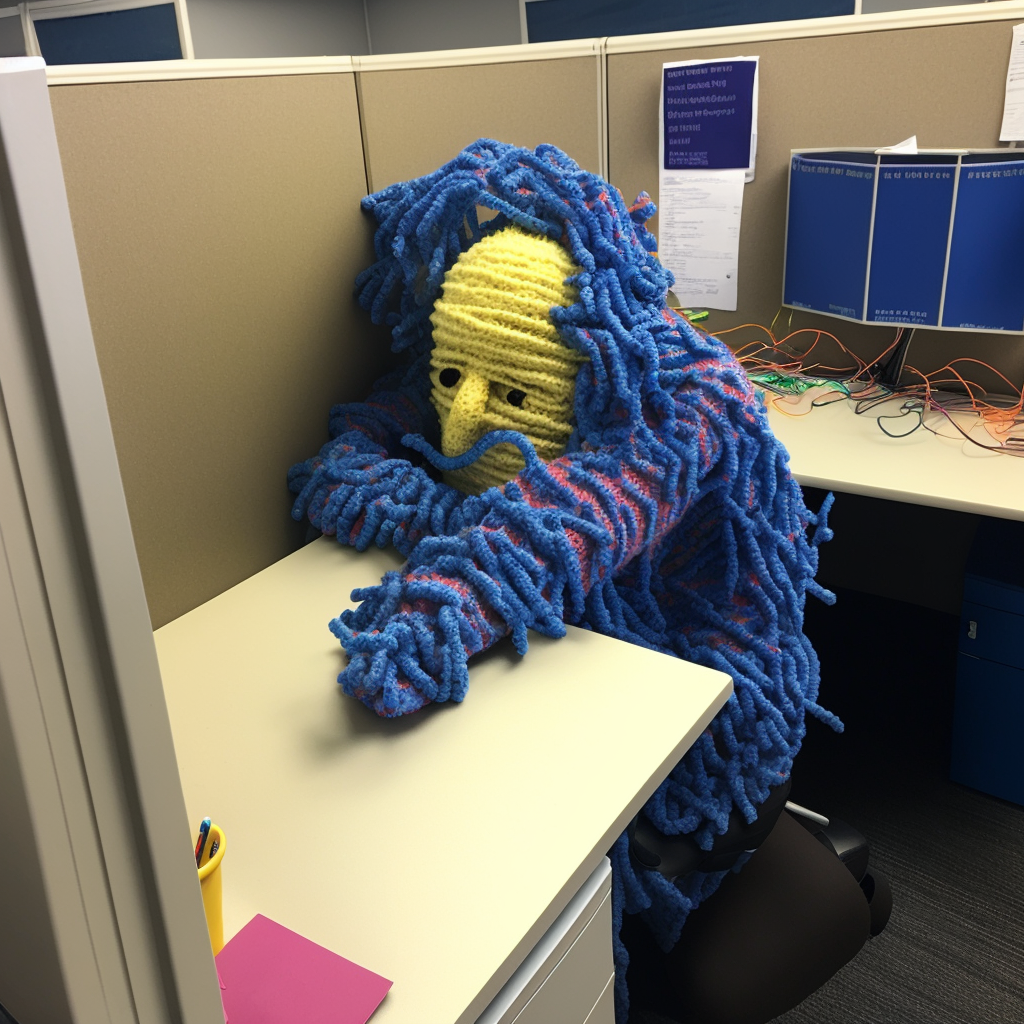
Autistic Employees Accommodations How Employers Can Better Accommodate and Support Autistic Employees in the Workplace Autism is a neurodevelopmental disorder that affects communication, social interaction, and behavior. According to the Centers for Disease Control and Prevention (CDC), one in 54 children in the United States is diagnosed with autism spectrum disorder (ASD). As these children grow up and enter the workforce, it is essential for employers to understand how to accommodate and support autistic employees. Understanding Autism in the Workplace Autistic individuals have unique strengths and challenges that can impact their performance in the workplace. Some of the strengths of autistic employees include attention to detail, strong memory, and the ability to focus on tasks for extended periods. However, autistic individuals may struggle with social interaction, communication, and sensory processing. Employers need to understand that autistic employees may require accommodations to perform their job duties effectively. Accommodations can include changes to the work environment, job duties, or work schedule. For example, an autistic employee may benefit from a quiet workspace, clear instructions, and a predictable routine. Autistic Employees Accommodations There are several accommodations that employers can make to support autistic employees in the workplace. These accommodations can improve job performance, reduce stress, and increase job satisfaction. Some of the accommodations include: Flexible work schedule: Autistic employees may benefit from a flexible work schedule that allows them to work during their most productive hours. Quiet workspace: Autistic employees may be sensitive to noise and benefit from a quiet workspace or noise-cancelling headphones. Clear instructions: Autistic employees may benefit from clear and concise instructions that are provided in writing. Visual aids: Autistic employees may benefit from visual aids such as diagrams, flowcharts, and pictures to help them understand complex tasks. Job coaching: Autistic employees may benefit from job coaching to help them learn new skills and adjust to the work environment. Task breakdown: Autistic employees may benefit from having complex tasks broken down into smaller, more manageable tasks. Training for Managers and Coworkers Employers should provide training for managers and coworkers to help them understand autism and how to support autistic employees. Training can include information on the strengths and challenges of autistic individuals, how to communicate effectively, and how to provide accommodations. Training can also help coworkers understand how to interact with autistic employees and reduce misunderstandings. Autistic Employees Accommodations: Conclusion Employers can better accommodate and support autistic employees in the workplace by understanding autism, providing accommodations, and providing training for managers and coworkers. Accommodations can improve job performance, reduce stress, and increase job satisfaction for autistic employees. Companies that have implemented programs to support autistic employees have seen positive results and can serve as examples for other companies to follow. By supporting autistic employees, companies can create a more inclusive and diverse workplace. Similar Articles
Overcoming Autistic Adults Employment Challenges

What are some challenges autistic adults face when seeking and maintaining employment? Autism is a neurodevelopmental disorder that affects communication, social interaction, and behavior. According to the Centers for Disease Control and Prevention (CDC), one in 54 children in the United States is diagnosed with autism spectrum disorder (ASD). While there is no cure for autism, early intervention and therapy can help individuals with ASD lead fulfilling lives. However, as autistic individuals transition into adulthood, they face unique challenges when seeking and maintaining employment. In this article, we will explore some of the challenges autistic adults face in the workplace and discuss potential solutions. Challenges in Seeking Employment Difficulty with Social Interaction One of the primary challenges autistic adults face when seeking employment is difficulty with social interaction. Autistic individuals may struggle with nonverbal communication, such as maintaining eye contact or interpreting facial expressions. They may also have difficulty with small talk or understanding social cues. These challenges can make it difficult for autistic individuals to make a good first impression during job interviews or to build relationships with coworkers. Sensory Overload Another challenge autistic adults face when seeking employment is sensory overload. Many autistic individuals are hypersensitive to sensory stimuli, such as bright lights, loud noises, or strong smells. In a busy workplace, these stimuli can be overwhelming and cause anxiety or meltdowns. Autistic individuals may also struggle with open office plans or other workplace designs that do not provide enough sensory regulation. Difficulty with Executive Functioning Executive functioning refers to a set of cognitive skills that help individuals plan, organize, and complete tasks. Many autistic individuals struggle with executive functioning, which can make it difficult to stay on task or meet deadlines. They may also have difficulty with time management or prioritizing tasks. These challenges can make it difficult for autistic individuals to succeed in fast-paced or high-pressure work environments. Challenges in Maintaining Employment Difficulty with Communication Once autistic individuals are employed, they may face challenges in maintaining their employment. One of the primary challenges is difficulty with communication. Autistic individuals may struggle with workplace communication, such as understanding instructions or communicating their needs to coworkers or supervisors. They may also have difficulty with workplace culture, such as understanding office politics or navigating social hierarchies. Difficulty with Change Another challenge autistic adults face in maintaining employment is difficulty with change. Many autistic individuals thrive on routine and predictability, and unexpected changes in the workplace can be stressful or overwhelming. They may struggle with changes in job responsibilities, changes in management, or changes in workplace policies. These challenges can make it difficult for autistic individuals to adapt to new situations or to take on new challenges. Stigma and Discrimination Finally, autistic adults may face stigma and discrimination in the workplace. Many employers may not understand autism or may have misconceptions about what autistic individuals are capable of. Autistic individuals may also face discrimination in the hiring process or in the workplace, such as being passed over for promotions or being subjected to bullying or harassment. These challenges can make it difficult for autistic individuals to feel valued and supported in the workplace. Potential Solutions for Autistic Adults Employment Challenges While the challenges facing autistic adults in the workplace are significant, there are potential solutions that can help. Here are a few examples: Accommodations One of the most effective solutions for supporting autistic individuals in the workplace is to provide accommodations. Accommodations can include things like noise-cancelling headphones, flexible work schedules, or designated quiet spaces. By providing accommodations, employers can help autistic individuals regulate their sensory input and manage their executive functioning challenges. Education and Training Another solution is to provide education and training for employers and coworkers. By educating others about autism and its challenges, employers can create a more inclusive workplace culture. Training can include things like how to communicate effectively with autistic individuals, how to recognize and respond to sensory overload, or how to provide feedback in a way that is supportive and constructive. Advocacy and Support Finally, autistic individuals can benefit from advocacy and support. This can include things like mentorship programs, support groups, or access to resources and information. By providing support, autistic individuals can feel more confident and empowered in the workplace, which can lead to greater success and job satisfaction. Autistic Adults Employment Challenges: Conclusion Autistic adults face unique challenges when seeking and maintaining employment. These challenges include difficulty with social interaction, sensory overload, executive functioning, communication, change, and stigma and discrimination. However, by providing accommodations, education and training, and advocacy and support, employers can create a more inclusive and supportive workplace culture. By doing so, they can help autistic individuals succeed and thrive in the workplace. Similar Articles
Understanding Sensory Processing Difficulties in Autism

What are some common sensory processing difficulties in autism experienced by autistic individuals? Autism Spectrum Disorder (ASD) is a neurodevelopmental disorder that affects communication, social interaction, and behavior. One of the most common symptoms of ASD is sensory processing difficulties. Sensory processing refers to the way the brain receives, interprets, and responds to sensory information from the environment. Autistic individuals may experience sensory processing difficulties in one or more of the senses, including touch, taste, smell, sight, and sound. In this article, we will explore some of the common sensory processing difficulties experienced by autistic individuals. Touch Many autistic individuals have difficulty processing touch sensations. They may be hypersensitive to touch, meaning that they are easily overwhelmed by certain textures or sensations. For example, they may find certain fabrics uncomfortable or painful to wear, or they may be averse to being touched by others. On the other hand, some autistic individuals may be hyposensitive to touch, meaning that they have a reduced sensitivity to touch sensations. They may seek out intense touch sensations, such as rubbing their hands on rough surfaces or pressing their bodies against walls. Taste and Smell Autistic individuals may also have difficulty processing taste and smell sensations. They may be hypersensitive to certain tastes or smells, which can make it difficult for them to eat a variety of foods. For example, they may be averse to strong flavors or smells, such as spicy foods or perfumes. On the other hand, some autistic individuals may be hyposensitive to taste and smell, meaning that they have a reduced sensitivity to these sensations. They may seek out intense flavors or smells, such as eating spicy foods or sniffing strong scents. Sight Autistic individuals may also have difficulty processing visual information. They may be hypersensitive to certain visual stimuli, such as bright lights or patterns, which can cause discomfort or even pain. They may also have difficulty filtering out irrelevant visual information, which can make it difficult for them to focus on important tasks. On the other hand, some autistic individuals may be hyposensitive to visual stimuli, meaning that they have a reduced sensitivity to these sensations. They may seek out intense visual stimuli, such as staring at bright lights or spinning objects. Sound Sound is one of the most common sensory processing difficulties experienced by autistic individuals. They may be hypersensitive to certain sounds, such as loud noises or high-pitched sounds, which can cause discomfort or even pain. They may also have difficulty filtering out background noise, which can make it difficult for them to focus on conversations or other tasks. On the other hand, some autistic individuals may be hyposensitive to sound, meaning that they have a reduced sensitivity to these sensations. They may seek out intense sounds, such as listening to music at high volumes or making loud noises themselves. Sensory Processing Difficulties in Autism: Conclusion Sensory processing difficulties are a common symptom of autism. Autistic individuals may experience hypersensitivity or hyposensitivity in one or more of the senses, including touch, taste, smell, sight, and sound. These difficulties can have a significant impact on their daily lives, making it difficult for them to engage in certain activities or interact with others. By understanding these difficulties, we can better support and accommodate autistic individuals in their daily lives. Similar Articles
Sensory Processing Issues in Autism: Strategies for Support

Sensory processing issues in autism can greatly impact an autistic person’s daily experiences. Sensory processing refers to the way our nervous system receives and interprets information from our senses. For individuals with autism spectrum disorder (ASD), sensory processing can be a significant challenge that affects their daily life. In this article, we will explore how sensory processing issues in autism affects an autistic person’s daily life. The Impact of Sensory Overload on Autistic Individuals Autism is a neurological disorder that affects an individual’s ability to communicate, socialize, and interact with others. One of the most common symptoms of autism is sensory processing difficulties. Sensory processing refers to the way our brain receives, interprets, and responds to sensory information from our environment. For autistic individuals, sensory processing can be overwhelming and can significantly impact their daily life. Sensory overload is a common experience for autistic individuals. This occurs when the brain receives too much sensory information at once, and it becomes difficult to process and filter out irrelevant information. For example, a loud noise in a crowded room can be overwhelming for an autistic person, making it difficult for them to focus on anything else. This can lead to anxiety, stress, and even physical discomfort. Sensory overload can occur in any environment, including at home, school, or in public places. Autistic individuals may struggle with sensory overload in situations that most people find comfortable, such as bright lights, strong smells, or loud noises. This can make it challenging for them to participate in everyday activities, such as going to the grocery store or attending a social event. Sensory processing issues in autism can also impact an autistic person’s ability to communicate effectively. For example, if an autistic person is overwhelmed by a loud noise, they may not be able to hear or understand what someone is saying to them. This can lead to misunderstandings and miscommunications, which can be frustrating for both the autistic person and the person they are communicating with. In addition to sensory overload, autistic individuals may also experience sensory underload. This occurs when the brain does not receive enough sensory information, leading to boredom and disengagement. For example, an autistic person may struggle to focus in a quiet classroom because there is not enough sensory stimulation to keep them engaged. Sensory processing difficulties can also impact an autistic person’s behavior. For example, an autistic person may engage in repetitive behaviors, such as rocking back and forth or flapping their hands, as a way to self-regulate and cope with sensory overload. They may also avoid certain activities or environments that they find overwhelming, which can limit their opportunities for socialization and learning. It is important to note that sensory processing issues are unique to each individual with autism. Some autistic individuals may be more sensitive to certain sensory stimuli, while others may be less sensitive. It is essential to understand an individual’s specific sensory needs and preferences to provide appropriate support and accommodations. In conclusion, sensory processing difficulties can significantly impact an autistic person’s daily life. Sensory overload and underload can lead to anxiety, stress, and communication difficulties. It is essential to understand an individual’s specific sensory needs and preferences to provide appropriate support and accommodations. By creating a sensory-friendly environment, we can help autistic individuals thrive and reach their full potential. The Connection Between Sensory Processing Issues in Autism and Social Interaction Autism is a complex neurodevelopmental disorder that affects an individual’s social interaction, communication, and behavior. One of the most common symptoms of autism is sensory processing difficulties. Sensory processing refers to the way our brain receives, interprets, and responds to sensory information from our environment. For individuals with autism, sensory processing can be overwhelming and can significantly impact their daily life. Sensory processing issues can manifest in different ways for different individuals with autism. Some may be hypersensitive to certain sensory stimuli, such as loud noises, bright lights, or certain textures. Others may be hyposensitive, meaning they have a reduced sensitivity to sensory stimuli and may seek out sensory input, such as spinning or rocking. These sensory processing difficulties can make it challenging for individuals with autism to engage in social interaction. Social interaction requires individuals to process and respond to a wide range of sensory information. For example, during a conversation, individuals need to process auditory information, such as the tone and volume of the speaker’s voice, as well as visual information, such as facial expressions and body language. Individuals with autism may struggle to process this information, leading to difficulties in social interaction. For example, an individual with autism who is hypersensitive to sound may find it challenging to engage in a conversation in a noisy environment. They may become overwhelmed by the background noise and struggle to focus on the conversation. Similarly, an individual who is hyposensitive to touch may struggle to understand personal space boundaries and may invade others’ personal space during social interaction. Sensory processing issues in autism can also impact an individual’s ability to regulate their emotions. For example, an individual who is hypersensitive to sensory stimuli may become easily overwhelmed and experience sensory overload, leading to emotional outbursts. On the other hand, an individual who is hyposensitive may seek out sensory input to regulate their emotions, such as spinning or rocking. It is essential to understand that sensory processing difficulties are not a choice or a behavior that can be controlled. They are a neurological difference that affects the way an individual’s brain processes sensory information. Therefore, it is crucial to provide support and accommodations to help individuals with autism navigate their sensory environment. One way to support individuals with autism is to provide a sensory-friendly environment. This may include reducing sensory stimuli, such as turning off fluorescent lights or providing noise-canceling headphones. It may also involve providing sensory input, such as a weighted blanket or fidget toys, to help regulate sensory input. Another way to support individuals with autism is to provide social skills training. Social
Autistic Literal Thinking: Unraveling the Complexity

Autistic literal thinking means that people with autism interpret language and communication in a literal way, struggling with figurative language and sarcasm. This can cause misunderstandings and difficulties in social interactions. It’s important to understand and accommodate for this cognitive style when supporting individuals with autism. Table of Contents Introduction Understanding Autistic Literal Thinking The Connection Between Literal Thinking and Anxiety in Autism The Impact of Literal Thinking on Autistic Individuals Strategies for Communicating with Autistic Literal Thinkers Celebrating the Unique Perspective of Autistic Literal Thinkers Conclusion “Taking words at face value, unlocking a unique perspective.” Introduction Autistic literal thinking refers to a cognitive style characterized by a tendency to interpret language and communication in a concrete and literal manner. This means that individuals with autism spectrum disorder (ASD) may struggle with understanding figurative language, sarcasm, and other forms of non-literal communication. Instead, they may rely heavily on the literal meaning of words and phrases, which can sometimes lead to misunderstandings and difficulties in social interactions. Understanding and accommodating for autistic literal thinking is an important aspect of supporting individuals with ASD. Understanding Autistic Literal Thinking Autism is a neurodevelopmental disorder that affects communication, social interaction, and behavior. One of the most common characteristics of autism is literal thinking. Autistic individuals tend to take things literally, which can lead to misunderstandings and difficulties in social situations. Literal thinking means taking words and phrases at face value, without understanding the underlying meaning or context. For example, if someone says “it’s raining cats and dogs,” a literal thinker might imagine actual cats and dogs falling from the sky. This can be confusing and even frightening for someone who doesn’t understand the figurative language. Autistic literal thinking can also make it difficult for individuals to understand jokes, sarcasm, and metaphors. They may not understand that someone is being sarcastic or joking, and may take everything literally. This can lead to social awkwardness and difficulty making friends. Another aspect of literal thinking is a focus on details and rules. Autistic individuals may become fixated on specific details or rules, and have difficulty seeing the bigger picture. This can make it difficult for them to understand abstract concepts or ideas that don’t fit into their rigid framework. For example, an autistic child may become fixated on a particular toy or object, and have difficulty playing with other toys or engaging in imaginative play. They may also have difficulty understanding social rules and norms, and may struggle to make friends or interact with others in a socially appropriate way. Despite these challenges, literal thinking can also be a strength for autistic individuals. They may excel in fields that require attention to detail and a focus on rules and procedures, such as science, engineering, or computer programming. They may also have a unique perspective on the world, and be able to see things in a different way than neurotypical individuals. Understanding autistic literal thinking is important for parents, teachers, and caregivers of autistic individuals. By recognizing the challenges and strengths of literal thinking, we can better support autistic individuals in their daily lives. One way to support autistic individuals is to use clear and direct language. Avoid using figurative language, sarcasm, or jokes that may be confusing or upsetting. Instead, use concrete language and provide clear instructions and expectations. Another way to support autistic individuals is to provide structure and routine. Autistic individuals thrive on predictability and routine, and may become anxious or overwhelmed by unexpected changes or disruptions. By providing a consistent routine and clear expectations, we can help autistic individuals feel more comfortable and secure. Finally, it’s important to recognize and celebrate the strengths of autistic individuals. Autistic individuals may have unique talents and abilities that should be encouraged and supported. By focusing on their strengths and abilities, we can help autistic individuals reach their full potential and lead fulfilling lives. In conclusion, autistic literal thinking is a common characteristic of autism that can present both challenges and strengths. By understanding and supporting literal thinking, we can help autistic individuals navigate the world and reach their full potential. With clear communication, structure and routine, and a focus on strengths and abilities, we can create a more inclusive and supportive world for autistic individuals. The Connection Between Literal Thinking and Anxiety in Autism Autistic Literal Thinking: The Connection Between Literal Thinking and Anxiety in Autism Autism is a neurodevelopmental disorder that affects communication, social interaction, and behavior. One of the most common characteristics of autism is literal thinking. Autistic individuals tend to take things literally, which can lead to misunderstandings and difficulties in social situations. However, literal thinking can also contribute to anxiety in autism. Literal thinking is the tendency to interpret language and communication in a very concrete and straightforward way. Autistic individuals often struggle with figurative language, sarcasm, and jokes because they take everything at face value. For example, if someone says, “It’s raining cats and dogs,” an autistic person may become confused or even frightened because they don’t understand the figurative meaning of the phrase. Literal thinking can also lead to difficulties in social situations. Autistic individuals may struggle to understand social cues and nonverbal communication, which can make it hard for them to connect with others. They may also struggle to understand the nuances of conversation, such as when it’s appropriate to interrupt or change the subject. However, literal thinking can also contribute to anxiety in autism. Autistic individuals may become anxious when they encounter situations that are unfamiliar or unpredictable. They may struggle to understand the intentions of others, which can make them feel vulnerable and anxious. For example, if someone says, “I’ll be there in a minute,” an autistic person may become anxious if the person doesn’t arrive exactly one minute later. Literal thinking can also contribute to anxiety in academic settings. Autistic individuals may struggle with abstract concepts and may prefer concrete, tangible information. They may become anxious when they encounter abstract concepts or when they are asked
Recognizing the Signs of an Autistic Meltdown

An autistic meltdown can be overwhelming and distressing for both the individual and those around them. Recognizing the signs of an impending meltdown can help prevent it from escalating. Common signs include increased anxiety, sensory overload, and difficulty communicating. It’s important to provide a safe and calming environment and offer support and understanding during and after the meltdown.
Why People Are Diagnosed with Asperger’s Late in Life?

Asperger’s syndrome, a form of autism spectrum disorder (ASD), can go undiagnosed until adulthood. Late diagnosis of Aspergers can be challenging, but it can also provide validation and support. Here’s what you need to know. Late Diagnosis of Asperger’s: Why So Late In Life? Late diagnosis of Aspergers can be difficult, but it can also provide relief, validation, and self-understanding. Learn more about the challenges and benefits of getting a late diagnosis of Aspergers. Asperger’s syndrome affects how a person communicates and interacts with others. People with Asperger’s typically have normal or above-average intelligence but may struggle with social skills, empathy, and understanding nonverbal cues. They may also have narrow interests, repetitive behaviors, and sensory sensitivities. Asperger’s syndrome was first described by Austrian pediatrician Hans Asperger in 1944, but it was not widely recognized until the 1980s and 1990s. In 2013, the Diagnostic and Statistical Manual of Mental Disorders (DSM-5) removed Asperger’s as a separate diagnosis and merged it with ASD. However, many people still identify with the term Asperger’s and use it to describe their condition. While some people with Asperger’s are diagnosed in childhood, others may not be diagnosed until adulthood. There are several reasons why this may happen, such as: Lack of awareness: In the past, there was less knowledge and understanding of Asperger’s and ASD in general. Many people may have grown up without knowing that their difficulties had a name and a cause. Others may have labeled them shy, eccentric, or rude, or blamed themselves for their challenges. They may have also learned to mask or cope with their symptoms to fit in or avoid criticism. Misdiagnosis: Some people with Asperger’s may have been diagnosed with other conditions that share symptoms, such as attention deficit hyperactivity disorder (ADHD), obsessive-compulsive disorder (OCD), anxiety, depression, or bipolar disorder. While these conditions can co-occur with Asperger’s, they may not fully explain the person’s experiences and needs. A misdiagnosis can lead to inappropriate or ineffective treatment and support. Gender differences: Studies have shown that Asperger’s is more common in males than females, but this may be due to underdiagnosis in females. Females with Asperger’s may present differently than males, such as being more socially motivated, having more diverse interests, or being better at mimicking social norms. They may also face more pressure to conform to gender expectations and stereotypes, which can make them hide their true selves. As a result, females with Asperger’s may be overlooked or misinterpreted by professionals and peers. Life changes: Some people with Asperger’s may manage well in childhood and adolescence but face adulthood difficulties when encountering new situations and expectations. For example, they may struggle with college, work, relationships, parenting, or aging. These life changes can expose or exacerbate their underlying challenges and cause them to seek help. Getting a diagnosis of Asperger’s later in life can positively and negatively impact a person’s well-being. On the one hand, it can provide a sense of relief, validation, and self-understanding. It can also help the person access appropriate services and support, connect with others who share their experiences, and embrace their strengths and differences. On the other hand, it can also trigger feelings of grief, anger, confusion, and regret. It can also challenge the person’s identity, relationships, and career. Therefore, it is essential for people diagnosed with Asperger’s late in life to seek professional guidance and peer support to cope with their emotions and adjust to their new reality. It is also vital for them to remember that their diagnosis does not define them or limit them. They are still the same person they were before but with more insight and opportunities for growth. Some people with Asperger’s may manage well in childhood and adolescence but face adulthood difficulties when encountering new situations and expectations. For example, they may struggle with college, work, relationships, parenting, or aging. These life changes can expose or exacerbate their underlying challenges and cause them to seek help. Getting a diagnosis of Asperger’s later in life can positively and negatively impact a person’s well-being. On the one hand, it can provide a sense of relief, validation, and self-understanding. It can also help the person access appropriate services and support, connect with others who share their experiences, and embrace their strengths and differences. On the other hand, it can also trigger feelings of grief, anger, confusion, and regret. It can also challenge the person’s identity, relationships, and career. Therefore, it is important for people diagnosed with Asperger’s late in life to seek professional guidance and peer support to cope with their emotions and adjust to their new reality. It is also important for them to remember that their diagnosis does not define them or limit them. They are still the same person they were before but with more insight and opportunities for growth. 17 Symptoms of Aspergers/Autism That Are Often Overlooked Late diagnosis of Aspergers can happen for a variety of reasons, including a lack of awareness, misdiagnosis, and gender differences. Some individuals may manage well in childhood and adolescence but face difficulties with new situations and expectations in adulthood. Here are some common symptoms of late diagnosis of Aspergers: – Difficulty making eye contact or reading facial expressions – Difficulty understanding sarcasm, jokes, or figures of speech – Difficulty expressing emotions or empathizing with others – Preference for logical and factual information over abstract or emotional topics – Tendency to take things literally or be very honest and direct – Tendency to focus on details rather than the big picture – Special interest in a specific topic or activity that can become obsessive or all-consuming – Repetitive behaviors or movements, such as rocking, tapping, spinning, or fidgeting – Need for routine and structure, and resistance to change or unpredictability – Sensitivity to sensory stimuli, such as sounds, lights, smells, or textures – Difficulty with executive functioning skills, such as planning, organizing, prioritizing, or multitasking – Difficulty with social skills, such as initiating or maintaining conversations, making friends, or understanding social