
Autism and Diet: Exploring Nutritional Needs and Managing Sensitivities

A balanced diet is essential for good health, but for individuals with autism, it can be especially important. Autism can impact an individual’s eating habits and preferences, as well as their ability to manage food sensitivities. In this article, we’ll explore the relationship between autism and diet, discussing nutritional needs and strategies for managing food sensitivities. Nutritional Needs for Autistic Individuals Autistic individuals may have unique nutritional needs due to differences in their digestive system and metabolism. Research has shown that many individuals with autism have deficiencies in essential nutrients such as Vitamin D, calcium, and omega-3 fatty acids. In addition, many individuals with autism have difficulty with gastrointestinal issues, which can affect their ability to absorb nutrients. To meet the nutritional needs of autistic individuals, it’s important to focus on a well-balanced diet that includes a variety of whole foods. Some individuals with autism may have sensory preferences that impact their food choices, such as a preference for certain textures or colors. However, it’s important to encourage a diverse range of foods to ensure adequate nutrient intake. Managing Food Sensitivities Food sensitivities and allergies can be common among individuals with autism, and can impact their overall health and well-being. Some common sensitivities include gluten, dairy, and artificial additives. It’s important to work with a healthcare provider or registered dietitian to identify and manage food sensitivities. In addition, it’s important to consider sensory preferences when managing food sensitivities. For example, if an individual with autism has a sensitivity to certain textures, it may be necessary to modify the texture of certain foods to ensure they are still getting adequate nutrition. Strategies for Creating Balanced Meals Creating balanced meals can be challenging for individuals with autism and their families. Here are some practical strategies for ensuring a well-balanced diet: Focus on whole foods Incorporate a variety of fruits, vegetables, whole grains, and lean proteins. Be creative with textures Try blending fruits and vegetables into smoothies, or using different cooking methods to change the texture of certain foods. Accommodate sensory preferences If an individual has a preference for certain colors or flavors, try incorporating those into a well-balanced meal. Plan ahead Meal planning and preparation can help ensure a variety of foods are incorporated into the diet. Autism and Diet: Nourishing the Autistic Community A well-balanced diet is important for everyone, but for individuals with autism, it can be especially crucial. By understanding nutritional needs and managing food sensitivities, autistic individuals and their families can promote good health and well-being. If you’re looking for more resources and support in managing autism and diet, be sure to check out Epic Autism. Do you have any tips for managing autism and diet? Share your strategies in the comments below and join our Epic Autism community for more resources and support. Similar Articles
Autism in the Media: Unraveling Stereotypes and Promoting Accurate Representation

The media has a significant impact on public perception and understanding of autism. Unfortunately, many media portrayals of autistic individuals perpetuate harmful stereotypes and inaccuracies, which can lead to widespread misconceptions and stigmatization. In this article, we’ll examine the representation of autism in the media, discuss common stereotypes, and explore the impact on public perception. We’ll also offer suggestions on how to promote accurate and positive portrayals of autistic individuals in the media. Stereotypes in Media Portrayals of Autism Media representations of autism often perpetuate stereotypes that can be harmful to the autistic community. Here are a few common stereotypes that are often seen in the media: The “socially awkward genius” stereotype portrays autistic individuals as socially inept but intellectually gifted. This stereotype suggests that autistic individuals are only valuable for their exceptional talents and disregards the diversity of their experiences and abilities. The “violent” stereotype suggests that autistic individuals are prone to violent outbursts or dangerous behavior. This stereotype is not only inaccurate but also contributes to a climate of fear and hostility toward autistic individuals. The “tragic victim” stereotype portrays autistic individuals as pitiable and helpless. This stereotype ignores the strengths and resilience of autistic individuals and reinforces the idea that they are a burden on society. The Impact of Stereotypes on Public Perception Stereotypes in media portrayals of autism can have a significant impact on public perception. When media representations rely on stereotypes, they create a narrow and distorted view of autistic individuals, which can lead to stigmatization and discrimination. Stereotypes also perpetuate the myth that autistic individuals are fundamentally different or flawed, which can further marginalize them. Promoting Accurate and Positive Media Representation It’s essential to promote accurate and positive media representations of autism. Here are some suggestions on how to do so: Amplify autistic voices Autistic individuals should be the ones to tell their stories and shape media narratives about autism. Supporting and promoting autistic voices can help to challenge stereotypes and promote accurate representation. Educate media professionals Many media professionals may not have a deep understanding of autism and its complexities. Offering training and resources to journalists, filmmakers, and other media professionals can help to promote accurate representation. Challenge harmful stereotypes When you see harmful stereotypes in media representations of autism, speak up. Write letters to media outlets, share your thoughts on social media, and engage in advocacy efforts to challenge harmful stereotypes. Shattering Stereotypes: Accurate Media Representation Matters Media representation of autism plays a significant role in shaping public perception and understanding of autism. Unfortunately, many media portrayals rely on harmful stereotypes that perpetuate misconceptions and stigmatization. By promoting accurate and positive representations of autistic individuals in the media, we can challenge harmful stereotypes and support the full inclusion of autistic individuals in society. Let’s work together to promote accurate and positive representations of autism in the media. What are some ways you can advocate for accurate portrayals of autism in media and entertainment? Share this article from Epic Autism with your friends and family, and start a conversation about the importance of representation. Let’s help create a world where autistic individuals are seen and heard in a positive light.
Autism and Relationships: The Social Fabric of Navigating Connections for Autistic Individuals

Navigating the world of autism and relationships can be challenging and complex. This article aims to offer guidance for autistic individuals in various types of relationships, including dating, friendships, and family dynamics. We’ll discuss challenges that may arise and provide practical advice for overcoming them, with suggestions for communication, setting boundaries, and understanding social cues. Let’s dive in! Building Friendships: Fostering Meaningful Connections Understanding Social Cues and Nuances One of the primary challenges autistic individuals face in relationships is interpreting social cues and nuances. Here are some suggestions to help navigate these complexities: Consider alternative forms of communication, such as writing, texting, or using visual cues. Don’t be afraid to ask for clarification or feedback from trusted friends or loved ones. Keep in mind the specific context of a conversation, as well as your relationship with the person you’re interacting with, to better understand the intent behind their actions or words. The same social cue may have different meanings in different situations. Establishing Boundaries and Communicating Needs Developing healthy friendships requires setting boundaries and communicating personal needs. Autistic individuals can: Clearly express their comfort levels and preferences in social situations Be open about sensory sensitivities or communication styles Seek friendships with individuals who understand and respect their unique needs and perspectives Engaging in Shared Interests Finding common ground is an essential aspect of building friendships. Autistic individuals can: Join clubs, organizations, or online forums focused on their interests Attend social events or activities centered around their passions Share their knowledge and enthusiasm for their interests with others Navigating the Dating Scene: Finding Love and Companionship Embracing Authenticity In the dating world, it’s crucial to be true to oneself. Autistic individuals should: Be open about their autism diagnosis, if they feel comfortable doing so Share their interests, strengths, and challenges with potential partners Look for partners who appreciate their unique qualities and provide mutual support Developing Communication Skills Effective communication is vital in any romantic relationship. Autistic individuals can: Practice expressing their feelings and emotions, both verbally and non-verbally Learn to listen actively and empathetically to their partner’s needs and concerns Work on understanding and respecting their partner’s communication preferences Seeking Out Inclusive Dating Platforms Finding an inclusive and supportive dating platform can help autistic individuals connect with potential partners. Some options include: Online dating sites or apps specifically designed for autistic individuals or those with other disabilities Social groups or clubs focused on shared interests, where they can meet like-minded individuals Support groups for autistic adults, which can provide a safe space for discussing dating experiences and seeking advice Strengthening Family Dynamics: Fostering Harmony and Understanding Enhancing Communication within the Family Clear communication is vital for maintaining healthy family relationships. Autistic individuals and their family members can: Engage in open and honest conversations about their needs, preferences, and challenges Develop strategies for managing sensory sensitivities or meltdowns within the family setting Seek professional guidance, such as family therapy or counseling, to address communication barriers and strengthen bonds Encouraging Empathy and Understanding Fostering empathy and understanding within the family is crucial for building a supportive environment. Family members can: Learn more about autism and its impact on daily life Listen to and validate the autistic individual’s experiences and emotions Practice patience and flexibility in accommodating the unique needs and preferences of their autistic family member Weaving the Social Tapestry: Autism and Relationships In conclusion, navigating the world of relationships can be challenging for autistic individuals, but with the right strategies and support, meaningful connections can be fostered. By understanding social cues, setting boundaries, and embracing authenticity, autistic individuals can form lasting friendships, find love and companionship, and strengthen family dynamics. It is essential for autistic individuals and their loved ones to work together in cultivating empathy, understanding, and open communication. Are you or someone you know interested in learning more about autism and relationships? Sign up for the Epic Autism newsletter to stay connected and updated on how you can support understanding and promote the well-being of autistic individuals and their families.
Understanding Autism Books: Top 5 Recommendations for Supporting Autistic People

When it comes to understanding autism books and supporting individuals on the autism spectrum, there is no shortage of resources available. However, not all books are created equal. Understanding Autism Books can be an incredibly useful resource for individuals on the autism spectrum, their families, and professionals working in the field. With so many books available on the subject, it can be overwhelming to know where to start. That’s why we’ve put together a list of the top 5 books on autism spectrum disorder that offer valuable insights, practical advice, and personal perspectives on the subject. Whether you’re seeking to learn more about autism, looking for strategies to support someone on the spectrum, or wanting to gain a deeper understanding of the lived experiences of individuals with autism, these books are sure to provide valuable guidance and support. “The Autistic Brain: Thinking Across the Spectrum” by Temple Grandin Summary: In this book, Temple Grandin, a well-known author, speaker and advocate on the autism spectrum, provides insights into her own experience with autism and offers a unique perspective on how the autistic brain works. She shares her personal journey and the strategies she has used to overcome challenges and achieve success. The book also includes information on the latest research on autism and offers practical advice for parents and individuals on the spectrum. “The Reason I Jump: The Inner Voice of a Thirteen-Year-Old Boy with Autism” by Naoki Higashida Summary: Written by a non-verbal boy with autism, this book provides a unique and honest glimpse into the mind and experiences of someone on the autism spectrum. The author uses a letter-writing format to answer common questions about autism and shares his own personal thoughts and feelings. This book offers a powerful and eye-opening perspective on autism and helps to build understanding and empathy. “Autism and Asperger Syndrome: The Facts” by Simon Baron-Cohen Summary: Written by a leading expert in the field of autism, this book provides a comprehensive and up-to-date overview of the latest research on autism and Asperger Syndrome. The author covers a wide range of topics, from causes and diagnosis to treatment and support, and offers practical advice for parents, professionals and individuals on the spectrum. “The Complete Guide to Asperger’s Syndrome” by Tony Attwood Summary: This book, written by a leading expert in the field of Asperger’s Syndrome, provides a comprehensive guide to understanding and living with Asperger’s. The author covers a wide range of topics, including diagnosis, social interactions, communication, and behavior, and offers practical advice and strategies for individuals on the spectrum, their families and professionals. “NeuroTribes: The Legacy of Autism and the Future of Neurodiversity” by Steve Silberman Summary: This book provides a comprehensive history of autism, from the earliest descriptions of the condition to the present day. The author explores the social and cultural factors that have shaped our understanding of autism, and looks at the ways in which the neurodiversity movement is working to change the way we view and support individuals on the autism spectrum. These five books are just a small sample of the wealth of information available on understanding and supporting individuals on the autism spectrum. Whether you’re a parent, a family member, or a professional, these books offer valuable insights and strategies for improving the lives of those on the spectrum. We hope this list will inspire you to seek out more resources and continue to learn and grow in your understanding of autism. Have you read any of these books? Are there any other books on understanding autism that you would recommend? Share your thoughts and experiences in the comments below! Add Your Heading Text Here
17 Common Asperger’s Misunderstandings: A Guide for Loved Ones

Correcting Asperger’s misunderstandings is important for loved ones of individuals with Asperger’s Syndrome, as it can help them to better understand and support the person they care about. Asperger’s is a form of autism that affects an individual’s ability to communicate and interact with others. While many people are becoming more aware of autism, there are still many misunderstandings surrounding Asperger’s Syndrome. Asperger’s Syndrome (AS) is a form of autism that affects an individual’s ability to communicate and interact with others. While many people are becoming more aware of autism, there are still many misunderstandings surrounding Asperger’s Syndrome. Understanding these misunderstandings is important for loved ones of individuals with AS, as it can help them to better understand and support the person they care about. Note: Asperger’s Syndrome is now considered a part of the autism spectrum and is no longer used as a separate diagnosis. While some individuals still identify with the term “Asperger’s” to describe their experiences, the term is not universally accepted due to varying diagnostic criteria, the overlap of symptoms between Asperger’s and other forms of autism, and the historical association of Hans Asperger with the Nazi regime. Here are 17 common misunderstandings about living with Asperger’s Syndrome that are helpful for people to know: 1. People with Asperger’s are cold and unemotional. Corrected View: People with Asperger’s Syndrome may have difficulty understanding and expressing emotions, but that does not mean they are cold or unemotional. They are capable of feeling and expressing emotions, just like anyone else. 2. People with Asperger’s Syndrome are socially awkward and have no friends. Corrected View: People with Asperger’s Syndrome may have difficulty with social interactions and communication, but that does not mean they are socially awkward or have no friends. They are capable of forming friendships and relationships, just like anyone else. 3. People with Asperger’s are often considered narcissists but they are not. Corrected View: People with Asperger’s Syndrome may have difficulty understanding social cues and interacting with others, which may lead to them being misunderstood as narcissistic. However, they do not have the same characteristics of a true narcissist. 4. People with Asperger’s are not capable of love or empathy. Corrected View: People with Asperger’s Syndrome are capable of love and empathy, just like anyone else. They may express it differently, but that does not mean they are incapable of feeling or understanding emotions. 5. People with Asperger’s are not capable of holding a job. Corrected View: People with Asperger’s Syndrome are capable of holding a job, just like anyone else. They may require accommodations and support in the workplace, but that does not mean they are not employable. 6. People with Asperger’s are not capable of change or improvement. Corrected View: People with Asperger’s Syndrome are capable of change and improvement, just like anyone else. With the right support and interventions, they can learn new skills and improve their functioning. 7. People with Asperger’s are not capable of understanding social cues. Corrected View: People with Asperger’s Syndrome may have difficulty understanding social cues, but that does not mean they are incapable of understanding them. With the right support and interventions, they can learn to understand and navigate social situations. 8. People with Asperger’s are not capable of understanding humor. Corrected View: People with Asperger’s Syndrome may have difficulty understanding humor, but that does not mean they are incapable of understanding it. With the right support and interventions, they can learn to understand and appreciate humor. 9. People with Asperger’s are not capable of expressing themselves creatively. Corrected View: People with Asperger’s Syndrome are capable of expressing themselves creatively, just like anyone else. They may have difficulty with certain forms of expression, but that does not mean they are not capable of being creative. 10. People with Asperger’s are not capable of understanding art or music. Corrected View: People with Asperger’s Syndrome are capable of understanding and appreciating art and music, just like anyone else. They may have difficulty with certain forms of expression, but that does not mean they are not capable of understanding or enjoying it. 11. People with Asperger’s are not capable of feeling pleasure. Corrected View: People with Asperger’s Syndrome are capable of feeling pleasure, just like anyone else. They may have difficulty understanding and expressing emotions, but that does not mean they are not capable of experiencing pleasure. 12. People with Asperger’s are not capable of experiencing joy. Corrected View: People with Asperger’s Syndrome are capable of experiencing joy, just like anyone else. They may have difficulty understanding and expressing emotions, but that does not mean they are not capable of experiencing joy. 13. People with Asperger’s are not capable of understanding figurative language. Corrected View: People with Asperger’s Syndrome may have difficulty understanding figurative language, but that does not mean they are not capable of understanding it. With the right support and interventions, they can learn to understand figurative language. 14. People with Asperger’s are not capable of understanding body language. Corrected View: People with Asperger’s Syndrome may have difficulty understanding body language, but that does not mean they are not capable of understanding it. With the right support and interventions, they can learn to understand body language. 15. People with Asperger’s are not capable of understanding nonverbal communication. Corrected View: People with Asperger’s Syndrome may have difficulty understanding nonverbal communication, but that does not mean they are not capable of understanding it. With the right support and interventions, they can learn to understand nonverbal communication. 16. People with Asperger’s are not capable of understanding sarcasm. Corrected View: People with Asperger’s Syndrome may have difficulty understanding sarcasm, but that does not mean they are not capable of understanding it. With the right support and interventions, they can learn to understand sarcasm. 17. People with Asperger’s are not capable of understanding idioms. Corrected View: People with Asperger’s Syndrome may have difficulty understanding idioms, but that does not mean they are not capable of understanding it. With the right support and interventions,
Autism Holding Breath: Understanding and Managing this Phenomenon

Autism holding breath, or apnea, is a phenomenon that has been observed in some individuals on the autism spectrum. As autism spectrum disorder (ASD) affects an individual’s ability to communicate and interact with others, people with autism may have difficulty understanding social cues and may have trouble with social interactions, communication, and flexible thinking. Some autistic individuals may also have unique behaviors and habits, such as holding their breath or suddenly realizing they need to breathe. Holding breath may be a coping mechanism for dealing with overwhelming stimuli or intense emotions. However, it’s important to note that holding breath can be dangerous and cause health problems. In this article, we explore the phenomenon of autism holding breath, its possible causes, and strategies for managing it. What is Autism Holding Breath? Holding breath, or apnea, is a phenomenon that has been observed in some individuals with autism. The exact reason for this behavior is not well understood, but there are several possible explanations. Possible Explanations for Autism Holding Breath One possible explanation is that it is related to sensory processing difficulties, common in ASD. Holding breath may be a coping mechanism for dealing with overwhelming stimuli, such as loud noise or bright lights. By holding their breath, individuals may be able to reduce the amount of sensory input they are receiving, which can help them to feel more in control and less overwhelmed. Another possible explanation is that it is related to difficulties with emotional regulation. Autistic individuals may have difficulty understanding and expressing their emotions, and may use holding their breath as a way to cope with intense emotions. Holding their breath may help them to feel more in control of their emotions and reduce their emotional distress. A third possible explanation is that it is related to difficulties with attention and focus. Holding their breath may help individuals with ASD to focus and concentrate on a task or activity. It’s also important to note that holding breath may also be related to other medical conditions, such as sleep apnea, which should be ruled out by a healthcare professional. Strategies to Manage Autism Holding Breath It’s important to note that holding breath can be dangerous, and if it becomes a frequent and prolonged habit, it can cause health problems such as lightheadedness, fainting, or in some cases, seizures. If you or someone you know is experiencing this phenomenon, it’s important to speak with a healthcare professional to determine the underlying cause and to find ways to manage it. Strategies Practicing deep breathing exercises Finding a quiet and calm environment Finding a safe and comfortable place where the individual feels safe Creating a daily routine and sticking to it as much as possible Using fidget toys Practicing mindfulness and meditation It’s also important to work with a healthcare professional and/or occupational therapist to rule out any underlying medical conditions that may be contributing to the holding breath and to help individuals with ASD find strategies to manage this behavior. With the right strategies and support, it is possible to improve quality of life for those on the autism spectrum who may experience this phenomenon. Similar Articles
Am I on the Autism Spectrum? Tips and Resources for Self-Discovery

Have you ever thought, “Am I on the autism spectrum?” Many people may not realize that they are on the autism spectrum until later in life. Some may have grown up thinking that their social difficulties or sensory sensitivities were just part of their personality. Others may have been misdiagnosed with other conditions such as ADHD or depression. If you suspect that you may be on the autism spectrum, it’s important to explore this possibility and seek professional help. Here are some tips and resources that can help you on your journey of self-discovery: Exploring the possibility of being on the autism spectrum can be a challenging and emotional process, but it is also an opportunity to understand yourself better and to gain access to the support and services that can help you to live your best life. Remember to take your time and seek professional help. And most importantly, don’t be afraid to reach out and talk to others, you are not alone on this journey. Similar Articles
Autism and Water Pain in the Morning: Causes and Management

Autism and water are a complicated combination, as some individuals on the autism spectrum may experience pain or discomfort when drinking water, particularly in the morning. This phenomenon, known as “morning water pain,” is not well understood but has been reported by some individuals on the spectrum. There are several possible causes of this pain, and understanding them is crucial in order to develop effective strategies for managing it. One possible cause of morning water pain is gastroparesis, which is a condition in which the muscles of the stomach fail to work properly, making it difficult for the stomach to empty its contents. This can lead to stomach pain and discomfort, particularly when drinking water in the morning on an empty stomach. Autistic individuals who have gastrointestinal issues may be more prone to this condition. Another possible cause of morning water pain is oral defensiveness. This is a condition in which an individual has a strong negative reaction to certain textures or temperatures in food or drink. Some autistic individuals may experience oral defensiveness when it comes to drinking cold water, especially in the morning. This may be due to sensory processing difficulties that are commonly found in autism spectrum disorder (ASD). An overactive gag reflex is another possible cause of morning water pain. An overactive gag reflex can cause an individual to experience pain or discomfort when drinking water, especially in the morning when the reflex may be more sensitive. This may be a result of a neurological condition found in some individuals with autism. Some individuals may also be sensitive to certain components of the water, such as chlorine or fluoride, causing pain or discomfort. Additionally, it’s important to note that some individuals with autism may have difficulty with fine motor skills, making it difficult to drink from a cup or glass, and may experience pain because of that. Managing morning water pain can be challenging, but there are strategies that may help. Drinking water at room temperature instead of cold, drinking water in smaller amounts, drinking water throughout the day, rather than just in the morning, drinking water with a straw, and drinking water with a pinch of salt to neutralize the taste, are some strategies that may help to reduce the pain. It’s also important to work with a healthcare professional to rule out any underlying medical conditions that may be contributing to the pain. Gastroparesis and overactive gag reflexes, for example, may require medical intervention. A healthcare professional can also help to determine if oral defensiveness or sensitivity to certain components of the water is causing the pain. In addition to seeking medical attention, it’s also important to consider working with an occupational therapist or speech therapist, who can help with fine motor skills and oral defensiveness. Also, it may be helpful to explore alternative therapies such as hypnotherapy or biofeedback that have been reported to help with the pain and discomfort caused by an overactive gag reflex. Strategies That Might Help Drinking water at room temperature instead of coldDrinking water in smaller amountsDrinking water throughout the day, rather than just in the morningDrinking water with a strawDrinking water with a pinch of salt to neutralize the taste In summary, autism and water pain in the morning is a phenomenon that has been reported by some individuals on the autism spectrum. It’s important to understand that there can be multiple causes of this pain and it’s important to work with a healthcare professional to determine the underlying cause and develop effective strategies for managing it. Also, it’s important to consider working with other professionals such as occupational therapist or speech therapist, and explore alternative therapies that may help with the pain and discomfort. Similar Articles
Loving Someone with Autism: A Brief Guide
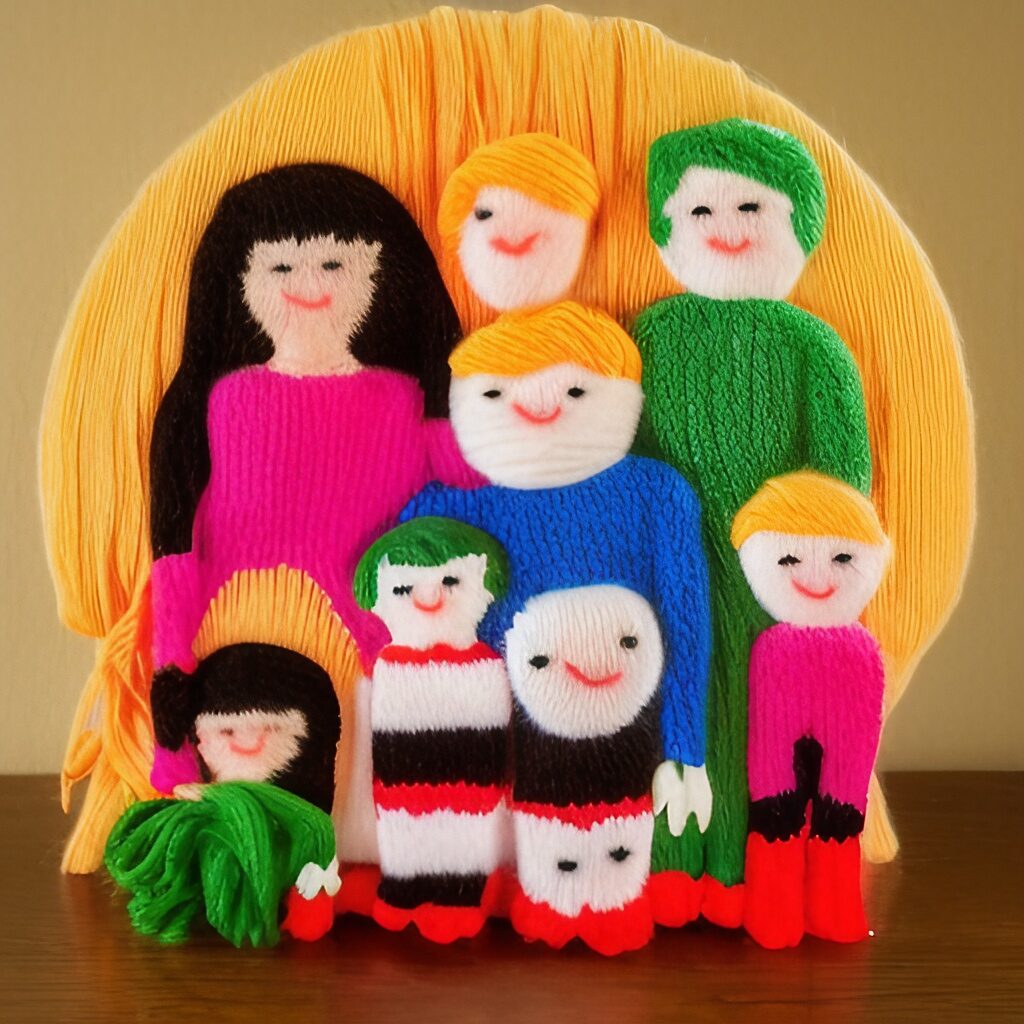
Loving someone with autism can be a unique and rewarding experience, but it can also present its own set of challenges. Understanding and accepting the person for who they are, is the first and most important step in building a healthy and loving relationship. Here are some tips to keep in mind when loving someone on the autism spectrum: In summary, loving someone with autism can be a unique and rewarding experience. The most important thing to remember is to understand and accept them for who they are, communicate effectively, be patient, create a predictable routine and be supportive. Remember that each person on the spectrum is unique and it’s important to work together to find what works best for you and your loved one. Similar Articles
Autism Questionnaire For Parents/Guardians: A Simple Screener For Autism In Childhood

If you’re wondering if you had autism as a child or during high school, this autism questionnaire for parents and guardians can help. You can give this screening test to your parents to help identify whether you may have had characteristics of autism as a child and during high school. The questions are based on common signs and symptoms of autism and are intended to provide a general sense of whether you may have had autism. Please note that this test is not a definitive diagnosis and it’s not intended to replace professional evaluation. If your parents have concerns about your development or behavior as a child or during high school, it is important to consult with a qualified professional such as a developmental pediatrician, a psychologist, or a neurologist. They will be able to give you a complete evaluation, including a formal assessment and will take into account your unique experiences, background, and personal history. Scoring For each question, give 1 point if the answer is “yes,” and 0 points if the answer is “no.” Autism Questionnaire For Parents/Guardians Social interaction: Did your child seem comfortable initiating and maintaining social interactions with peers and adults? Did your child have difficulty understanding social cues and nonverbal communication? Did your child have difficulty understanding sarcasm or irony? Did your child have difficulty making and keeping friends Communication: Did your child have difficulty understanding idiomatic expressions or figurative language? Did your child have difficulty understanding sarcasm or irony? Did your child have difficulty with conversation skills, such as taking turns or understanding the topic of conversation? Did your child have difficulty with verbal or nonverbal expression of thoughts and emotions? Was your child more comfortable communicating through written or typed language than spoken language? Repetitive or restrictive behaviors: Did your child seem to have a need for sameness and routine? Did your child have difficulty with changes in routine? Did your child have intense interests in specific topics? Did your child have repetitive movements or self-stimulatory behaviors? Did your child have difficulty with transitions or changes in their environment? Sensory processing: Did your child seem to have a heightened or decreased sensitivity to certain sensory inputs, such as sound, light, or touch? Did your child have difficulty filtering out background noise or distractions? Did your child have difficulty with fine motor skills? Scoring System: A score of 2 or lower suggests that it is unlikely that your child had autism as a child or during high school. A score of 3-5 suggests that your child may have had some characteristics of autism as a child or during high school and may have benefited from further evaluation. A score of 6 or higher suggests that your child may have had autism as a child or during high school and may have benefited from further evaluation. Please remind your parents that this test is not a definitive diagnosis and it’s not intended to replace professional evaluation. It’s a way to gather information and stimulate conversation but it should not be used to make any assumptions or decisions. If they have concerns about your development or behavior as a child or during high school, it is important to consult with a qualified professional such as a developmental pediatrician, a psychologist, or a neurologist. They will be able to give you a complete evaluation, including a formal assessment and will take into account your unique experiences, background, and personal history. Similar Articles