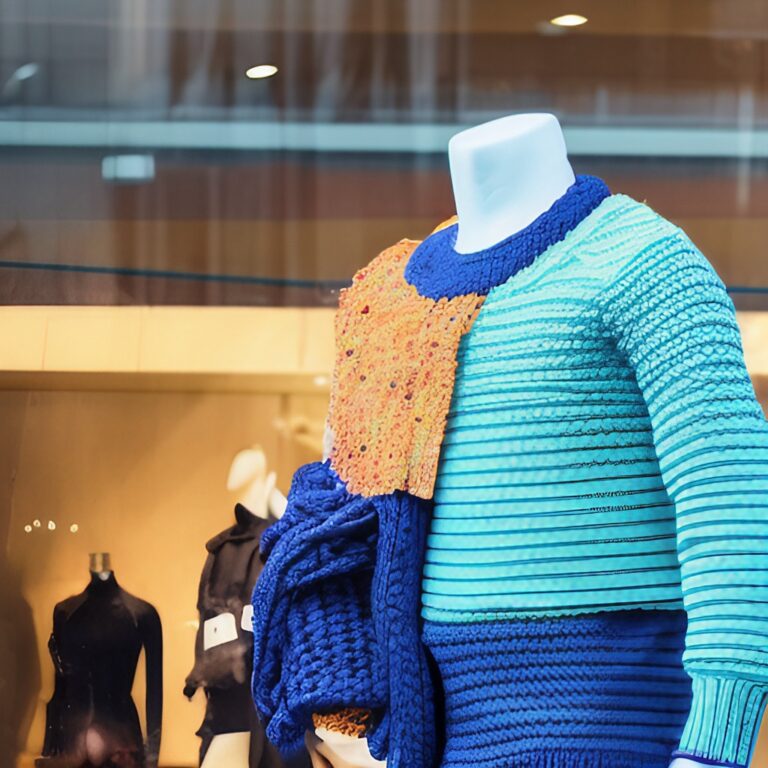

Autism Clothing Adjustments: Empowering Individuals for Comfort
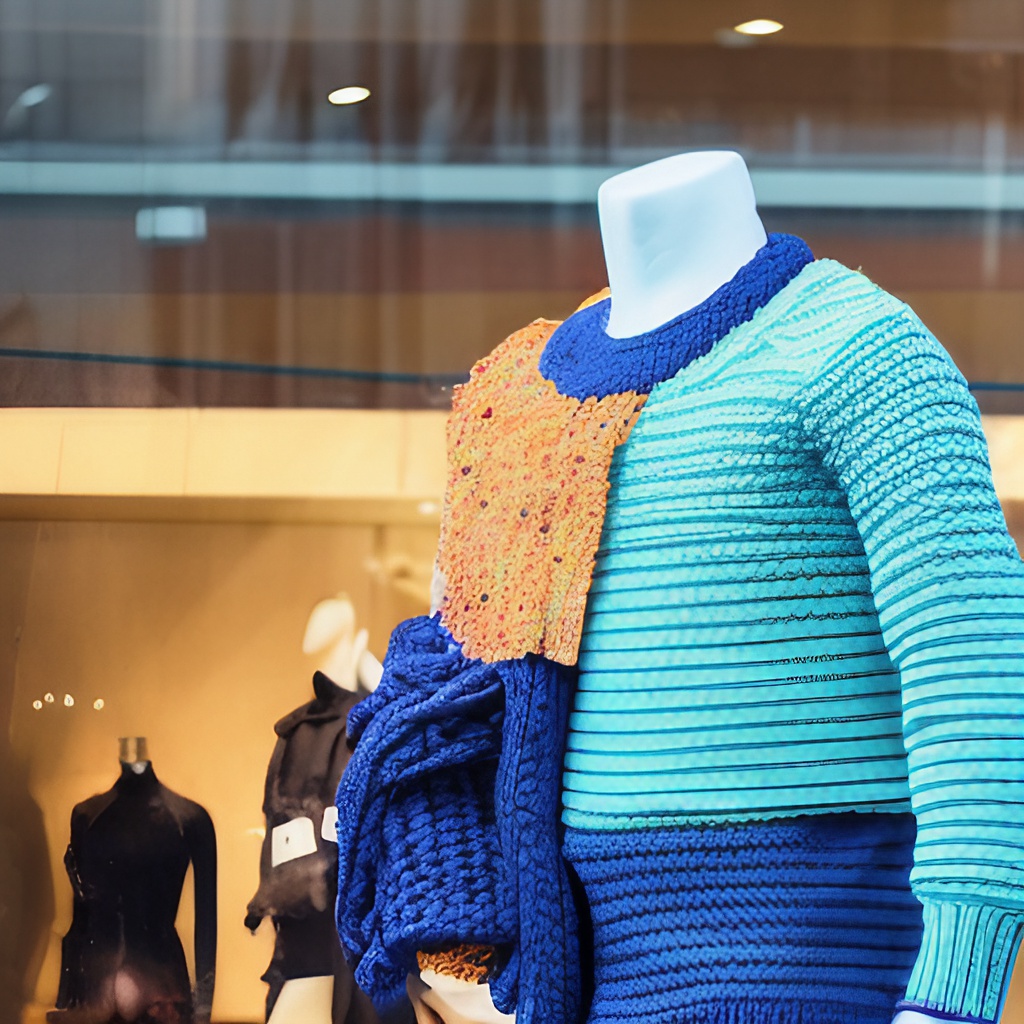
Autistic individuals often have sensory sensitivities that can make wearing certain types of clothing uncomfortable or overwhelming. However, with some adjustments, clothing can be made more comfortable and accessible for individuals with autism. Here are some ideas for autistic clothing adjustment. DIY Autism Clothing Adjustments for Autistic Sensory Needs As a parent or caregiver of a child with autism, you may have noticed that clothing can be a source of discomfort and distress for them. Sensory issues can make it difficult for them to tolerate certain fabrics, tags, seams, and even the way clothes fit. Fortunately, there are some simple DIY autism clothing adjustments that can help make dressing a more comfortable and enjoyable experience for your child. One of the most common issues for autistic children is the feeling of tightness or constriction around the waist. This can be addressed by using elastic waistbands or drawstring closures instead of buttons or zippers. You can also try using pants with a higher rise or a looser fit to avoid any pressure on the stomach area. For girls, leggings or tights can be a great alternative to jeans or skirts, as they provide a snug fit without any discomfort. Another common issue is the feeling of seams or tags rubbing against the skin. You can easily remove tags from clothing using a pair of scissors or a seam ripper. For seams, you can try turning the clothing inside out and using a soft fabric tape to cover any rough edges. You can also try using seamless clothing, such as seamless socks or underwear, which can be found at many specialty stores. For children who are sensitive to certain fabrics, it’s important to choose clothing made from soft, breathable materials such as cotton or bamboo. Avoid synthetic fabrics like polyester or nylon, which can be scratchy and uncomfortable. You can also try washing new clothes several times before wearing them to help soften the fabric and remove any chemical residues. If your child is sensitive to the feeling of sleeves or pant legs bunching up, you can try using clothing with thumb holes or footies. These can help keep sleeves and pant legs in place, providing a more comfortable and secure fit. You can also try using clothing with adjustable cuffs or hems, which can be tightened or loosened as needed. Finally, it’s important to consider the overall fit of the clothing. Many autistic children prefer looser, more comfortable clothing that allows for freedom of movement. You can try using clothing with a relaxed fit or sizing up to provide more room. You can also try layering clothing, which can provide a sense of security and comfort. Overall, a simple DIY autism clothing adjustments that can help make dressing a more comfortable and enjoyable experience for autistic children. By choosing soft, breathable fabrics, removing tags and rough seams, and using adjustable closures and layering, you can help your child feel more comfortable and confident in their clothing. Remember to be patient and understanding, and to involve your child in the process as much as possible. With a little creativity and effort, you can help your child feel more comfortable and confident in their clothing. Tips for Choosing Clothing for Autistic Individuals Autism is a neurological disorder that affects communication, social interaction, and behavior. It is a spectrum disorder, which means that it affects individuals differently. One of the challenges that autistic individuals face is clothing adjustment. Clothing can be uncomfortable, itchy, or too tight, which can cause sensory overload and distress. However, there are ways to make clothing more comfortable and suitable for autistic individuals. Choose clothing that is comfortable and soft Autistic individuals may have sensory issues, which means that they are sensitive to certain textures, fabrics, and tags. Clothing made from natural fibers such as cotton, bamboo, or silk can be more comfortable and breathable than synthetic fabrics. It is also important to choose clothing that is loose-fitting and not too tight. Tight clothing can be restrictive and uncomfortable, which can cause anxiety and stress. Consider the design and style of clothing Autistic individuals may have preferences for certain colors, patterns, or designs. Some may prefer plain and simple clothing, while others may prefer bold and bright colors. Respecting their preferences and allowing them to express themselves through their clothing is important. Clothing with buttons, zippers, or snaps can be difficult for some autistic individuals to manage. Clothing with elastic waistbands or Velcro closures can be easier to put on and take off. Consider the weather and environment Autistic individuals may have difficulty regulating their body temperature, meaning they may feel too hot or cold. Clothing that is too warm or too cold can cause discomfort and distress. It is important to choose clothing that is appropriate for the weather and environment. Layers of clothing can be helpful, as they can be added or removed as needed. Involve the autistic individual in the clothing selection process Autistic individuals may have strong preferences and opinions about their clothing. It is important to listen to their feedback and involve them in decision-making. This can help them feel more comfortable and confident in their clothing. Be patient and understanding Autistic individuals may have difficulty with transitions and changes. It may take time for them to adjust to new clothing or styles. It is important to be patient and understanding and to provide support and encouragement. Positive reinforcement can be helpful, such as praising them for trying on new clothing or wearing a new outfit. In conclusion, choosing clothing for autistic individuals can be a challenge, but there are ways to make it more comfortable and suitable. It is important to choose comfortable and soft clothing, consider the design and style, consider the weather and environment, involve the autistic individual in the selection process, and be patient and understanding. By following these tips, autistic individuals can feel more comfortable and confident in their clothing, which can help them to navigate their daily lives

Autistic Sensory Overload: Unraveling Tips and Techniques for Individuals and Their Families
Sensory overload is a common experience for individuals on the autism spectrum. It occurs when the brain struggles to process and filter sensory input, leading to feelings of overwhelm and discomfort. Sensory challenges vary greatly among autistic individuals, making it crucial to understand each person’s unique needs. This article provides practical tips and techniques for managing autistic sensory overload and creating sensory-friendly environments for individuals and their families. Identifying Sensory Challenges Each autistic individual has a unique set of sensory sensitivities. Some common challenges include: Auditory Sensitivity to loud or sudden noises, or difficulty processing multiple sounds simultaneously. This can make it difficult for autistic individuals to concentrate or communicate effectively in noisy environments. They may become overwhelmed, anxious, or experience pain due to intense or competing sounds. Visual Overwhelm from bright lights, fast-moving images, or certain colors and patterns. Autistic individuals may find it challenging to focus in environments with excessive visual stimuli, such as busy public spaces, flashing lights, or complex patterns. This can lead to feelings of discomfort, disorientation, or even physical pain. Tactile Discomfort with certain textures, temperatures, or levels of pressure. Some autistic individuals may be hypersensitive to touch, experiencing pain or distress from sensations that others may find pleasant or neutral. This can impact their ability to wear certain clothing materials, engage in physical activities, or tolerate everyday tactile experiences. Olfactory Overwhelm from strong or distinct smells. Autistic individuals with heightened olfactory sensitivity may find certain odors overpowering or even nauseating. This can make it difficult to participate in activities that involve strong scents, such as cooking, cleaning, or visiting crowded public spaces. Vestibular Difficulties with balance and spatial orientation. Autistic individuals who struggle with vestibular processing may have trouble maintaining their equilibrium, coordinating their movements, or perceiving their position in relation to their surroundings. This can impact their ability to engage in activities that require physical coordination or spatial awareness. Proprioceptive Difficulty processing body position and movement. Some autistic individuals may struggle to accurately perceive the position and movements of their own body, leading to challenges with fine and gross motor skills, posture, or body awareness. This can affect their ability to engage in daily activities, sports, or physical play. Understanding the specific sensory challenges faced by an autistic individual is the first step toward the effective management of sensory overload. By recognizing these unique sensitivities, caregivers, educators, and autistic individuals themselves can develop strategies and accommodations to minimize discomfort and promote successful participation in various aspects of life. Strategies for Managing Autistic Sensory Overload Here are some practical techniques to help individuals and their families cope with sensory challenges: Create an autistic sensory overload toolkit Include items like noise-canceling headphones, sunglasses, fidget tools, and weighted blankets to provide comfort during sensory overload. Customize the toolkit based on the individual’s specific sensory needs and preferences. This can help them feel more in control and prepared when facing sensory challenges in various settings. Use visual schedules Visual aids can help reduce anxiety and provide structure for autistic individuals. By creating a clear, visual representation of daily routines and tasks, individuals can better anticipate what comes next and feel a greater sense of control over their environment. This can also help them better manage their energy levels and sensory needs throughout the day. Incorporate breaks Schedule regular breaks for sensory rest and self-regulation. These breaks can provide opportunities for autistic individuals to decompress and regain a sense of balance, especially during busy or overwhelming days. Encourage the use of calming strategies during breaks, such as listening to soothing music, engaging in deep-pressure activities, or spending time in a quiet, low-stimulation space. Advocate for accommodations Request accommodations in school or work settings, such as preferential seating, extra time, or modified assignments. This can help autistic individuals better manage their sensory needs, minimize stress, and foster greater success in academic or professional environments. Ensure that teachers, supervisors, and peers are aware of the individual’s unique sensory challenges and the importance of these accommodations. Practice mindfulness and deep breathing These techniques can help reduce anxiety and sensory overwhelm. Encouraging autistic individuals to engage in mindfulness practices, such as meditation or focused breathing exercises, can help them develop greater self-awareness and coping skills for managing sensory overload. Integrating these practices into daily routines can provide ongoing support and promote overall well-being. Creating Sensory-Friendly Environments To create a comfortable and supportive environment for autistic individuals, consider the following tips: Home Reduce clutter, use calming colors, and provide designated sensory spaces for relaxation and self-regulation. Choose soft, comfortable furnishings and pay attention to lighting, opting for adjustable and non-flickering light sources. By creating a sensory-friendly home environment, autistic individuals can feel more at ease and better equipped to manage sensory challenges. School Collaborate with educators to develop an individualized education plan (IEP) that includes sensory accommodations and supports. Ensure that teachers and staff are aware of the student’s specific sensory needs and preferences, and work together to create a supportive learning environment. This may include creating designated sensory breaks, providing access to sensory tools or resources, and modifying classroom arrangements to minimize sensory triggers. Public Places Plan outings during quieter times and research sensory-friendly events and venues. Many museums, movie theaters, and other public spaces now offer sensory-friendly hours or events designed specifically for individuals with sensory sensitivities. By planning ahead and seeking out accommodating environments, autistic individuals and their families can enjoy outings with reduced anxiety and sensory overload. Social Gatherings Communicate the autistic individual’s sensory needs to friends and family members, and encourage them to create a more inclusive atmosphere. This can include reducing background noise, providing clear communication about plans and expectations, and ensuring there is a quiet space available for the individual to retreat to if needed. Travel Plan and prepare for travel by anticipating potential sensory challenges and creating a plan to address them. This may involve packing a sensory toolkit, researching accommodations ahead of time, and considering alternative modes of transportation that may be

Autism and Diet: Exploring Nutritional Needs and Managing Sensitivities
A balanced diet is essential for good health, but for individuals with autism, it can be especially important. Autism can impact an individual’s eating habits and preferences, as well as their ability to manage food sensitivities. In this article, we’ll explore the relationship between autism and diet, discussing nutritional needs and strategies for managing food sensitivities. Nutritional Needs for Autistic Individuals Autistic individuals may have unique nutritional needs due to differences in their digestive system and metabolism. Research has shown that many individuals with autism have deficiencies in essential nutrients such as Vitamin D, calcium, and omega-3 fatty acids. In addition, many individuals with autism have difficulty with gastrointestinal issues, which can affect their ability to absorb nutrients. To meet the nutritional needs of autistic individuals, it’s important to focus on a well-balanced diet that includes a variety of whole foods. Some individuals with autism may have sensory preferences that impact their food choices, such as a preference for certain textures or colors. However, it’s important to encourage a diverse range of foods to ensure adequate nutrient intake. Managing Food Sensitivities Food sensitivities and allergies can be common among individuals with autism, and can impact their overall health and well-being. Some common sensitivities include gluten, dairy, and artificial additives. It’s important to work with a healthcare provider or registered dietitian to identify and manage food sensitivities. In addition, it’s important to consider sensory preferences when managing food sensitivities. For example, if an individual with autism has a sensitivity to certain textures, it may be necessary to modify the texture of certain foods to ensure they are still getting adequate nutrition. Strategies for Creating Balanced Meals Creating balanced meals can be challenging for individuals with autism and their families. Here are some practical strategies for ensuring a well-balanced diet: Focus on whole foods Incorporate a variety of fruits, vegetables, whole grains, and lean proteins. Be creative with textures Try blending fruits and vegetables into smoothies, or using different cooking methods to change the texture of certain foods. Accommodate sensory preferences If an individual has a preference for certain colors or flavors, try incorporating those into a well-balanced meal. Plan ahead Meal planning and preparation can help ensure a variety of foods are incorporated into the diet. Autism and Diet: Nourishing the Autistic Community A well-balanced diet is important for everyone, but for individuals with autism, it can be especially crucial. By understanding nutritional needs and managing food sensitivities, autistic individuals and their families can promote good health and well-being. If you’re looking for more resources and support in managing autism and diet, be sure to check out Epic Autism. Do you have any tips for managing autism and diet? Share your strategies in the comments below and join our Epic Autism community for more resources and support. Similar Articles